Planning a Mobile Medical Clinic Program
A Practical Guide to Launching a Successful Mobile Outreach Initiative
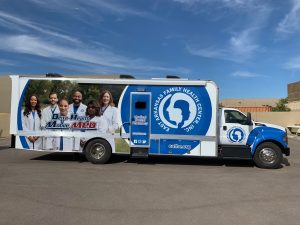
Launching a mobile medical clinic is one of the most effective ways healthcare organizations can expand access to care. From rural communities with limited providers to urban neighborhoods facing transportation barriers, mobile outreach programs are transforming how patients receive services.
But a successful mobile clinic program requires more than purchasing a vehicle. It requires strategic planning, operational clarity, and a custom built mobile medical clinic designed to support real world healthcare delivery.
Organizations that treat mobile outreach as a long-term operational investment, not just a project launch, are far more likely to build sustainable impact.
Start With a Clear Outreach Strategy
Before selecting a platform or reviewing floorplans, define your outreach goals.
Are you addressing primary care gaps? Preventative screenings? Women’s health? Behavioral health services? Vaccination programs? Specialty medical services?
Your service model determines the type of custom mobile clinic you need. It affects exam room count, medical equipment integration, refrigeration capacity, storage requirements, and electrical load planning.
When your mission is clearly defined, the vehicle becomes a strategic solution rather than a generalized purchase.
Match Clinical Services to Vehicle Design
Different healthcare services place different demands on a mobile specialty vehicle.
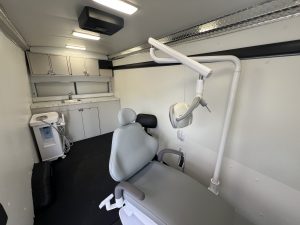
Primary care clinics require efficient exam space and secure documentation areas. Dental programs require compressed air systems and specialized cabinetry. Vaccination and lab services require temperature-controlled storage and reliable power systems.
A well planned mobile medical clinic build ensures that infrastructure supports clinical function. Undersized generators, limited storage, or poor layout decisions can create workflow challenges that affect daily patient care.
Designing around real services ensures your mobile outreach program operates smoothly under pressure.
Plan for Workflow Efficiency
One of the most overlooked aspects of mobile clinic design is patient flow.
Where does intake occur?
How do patients move through exam areas?
Where are supplies accessed during high volume events?
How do providers chart and coordinate care inside a limited space?
A custom mobile medical clinic should be designed around operational workflow, not just square footage. Thoughtful layout planning improves staff efficiency, reduces bottlenecks, and enhances the patient experience.
Mobile outreach environments are dynamic. Efficient workflow directly impacts how many patients you can serve each day.
Understand Infrastructure Requirements
Behind every reliable mobile clinic is a carefully engineered system of electrical, HVAC, and plumbing components.
Medical equipment, lighting, refrigeration, and technology systems require stable power distribution. Climate control systems must maintain safe and comfortable interior conditions in extreme weather. Fresh water and waste systems must support sanitation standards throughout extended service days.
These systems are foundational to a dependable mobile medical clinic. Proper engineering protects equipment, supports compliance, and minimizes operational disruptions.
Budget for Long Term Sustainability
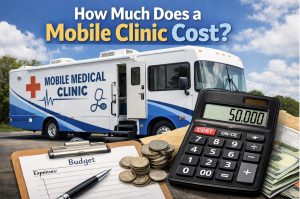
The cost of a mobile clinic extends beyond the initial build. Fuel, staffing, insurance, preventative maintenance, technology subscriptions, and medical supplies all contribute to ongoing operational expenses.
Organizations launching a mobile outreach program should forecast total cost of ownership rather than focusing solely on purchase price. Sustainable budgeting ensures the program continues serving patients year after year.
A well-built custom mobile clinic with durable materials and properly sized systems can significantly reduce maintenance interruptions and unexpected costs.
Plan for Growth and Program Expansion
Community needs evolve. Many mobile medical clinic programs expand services over time.
Planning for flexibility allows you to add equipment, adjust service offerings, or modify workflow without requiring a full redesign. Scalable electrical systems, adaptable interior layouts, and adequate storage space provide room for growth.
Thinking five to ten years ahead during the design phase often prevents major limitations later.
Integrate Mobile Outreach with Your Organization
A mobile clinic should operate as an extension of your existing healthcare services, not a separate entity.
Integration with electronic medical records, scheduling systems, billing operations, and referral networks strengthens continuity of care. Clear internal processes between mobile teams and administrative staff ensure efficiency and accountability.
When properly integrated, a mobile outreach program becomes a powerful extension of your organization’s healthcare delivery model.
Choosing the Right Mobile Clinic Partner
Planning is critical, but so is choosing the right mobile clinic builder.
An experienced mobile specialty vehicle manufacturer understands healthcare workflows, regulatory considerations, infrastructure demands, and long-term durability requirements. They guide organizations through planning, design, engineering, and final delivery with clarity and transparency.
At Magnum Mobile Specialty Vehicles, we work closely with healthcare providers, nonprofits, and public health organizations to design custom mobile medical clinics built for real world outreach. Our focus is not simply on building a vehicle, but on supporting programs that operate reliably and make measurable community impact.
Final Thoughts
A mobile medical clinic is more than a vehicle. It is a strategic healthcare asset.
Organizations that define their mission clearly, align services with infrastructure, plan for sustainability, and partner with an experienced mobile clinic builder position themselves for long term success.
With the right planning and the right partner, a mobile outreach program can expand access to care, strengthen community relationships, and deliver consistent, dependable healthcare wherever it is needed.