
Mobile Clinic Solutions
Why Animal Care Organizations Are Going Mobile
How mobile animal care units are expanding access, improving outreach, and bringing essential services directly to the communities that need them.
Access to quality animal care isn’t always easy. Transportation challenges, limited veterinary resources, geographic barriers, and growing demand for services can make it difficult for organizations to reach the animals and communities that need care most.
That’s why more animal care organizations are looking at mobile solutions.
Mobile animal care units allow organizations to bring veterinary, wellness, and outreach services directly into communities instead of relying solely on a permanent facility. From shelters and nonprofit organizations to veterinary practices and community outreach programs, going mobile can create new opportunities to reach more animals, serve more communities, and expand existing programs.
But why are organizations making the move to mobile? Here are some of the biggest reasons.
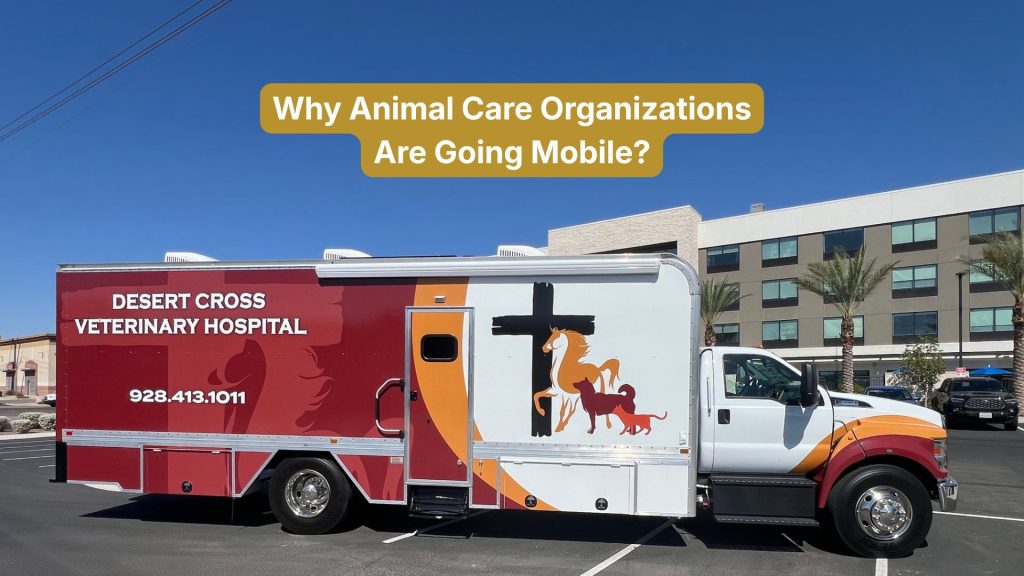
Expanding Access to Animal Care
One of the biggest advantages of a mobile animal care program is the ability to bring services directly to areas where access may be limited.
For some communities, getting to a veterinary facility can be difficult because of distance, transportation, or a lack of nearby services. A mobile unit can travel directly to these communities, helping organizations reduce those barriers and make essential animal care more accessible.
Instead of asking every client or community to come to the same location, organizations can take their services where they’re needed most.
Reaching More Communities
A permanent facility is limited to the people and animals that can reach it. A mobile unit expands that geographic reach.
Animal care organizations can travel between communities, neighborhoods, schools, shelters, events, and other locations to provide services in multiple areas.
This flexibility can be especially valuable for organizations focused on outreach. Rather than limiting services to one location, a mobile program can create a schedule based on community needs.
Supporting Preventive Care
Mobile animal care isn’t only about responding when an animal needs treatment. Mobile veterinary clinics can also help organizations provide preventive services that support healthier animals and communities.
Depending on the organization and vehicle configuration, mobile units can support services such as:
- Wellness services
- Vaccinations
- Preventive care
- Spay and neuter programs
- Animal health screenings
- Community outreach
Bringing preventive services closer to the people who need them can make it easier for owners and communities to access care before problems become more serious.
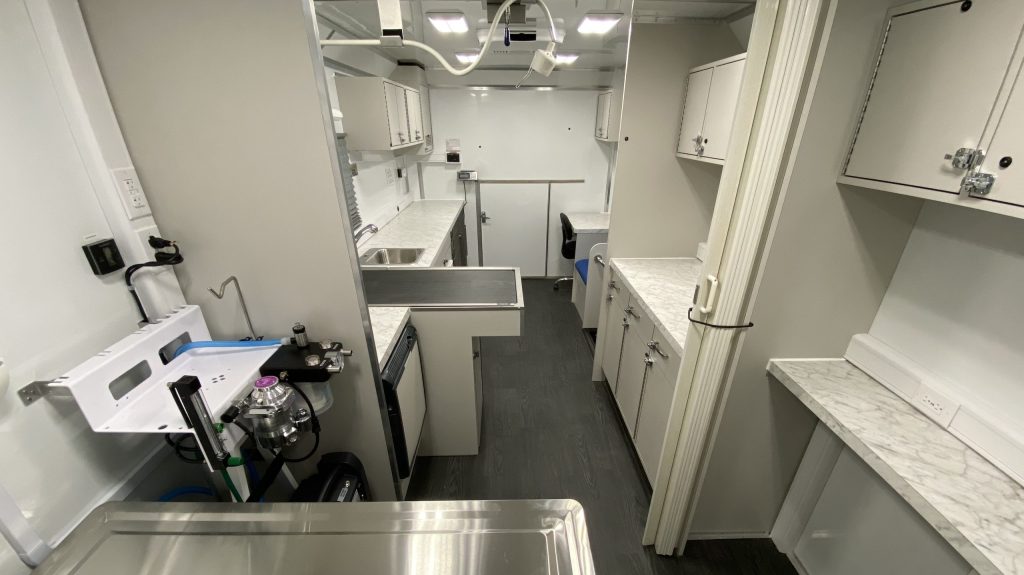
Helping Shelters and Nonprofit Organizations Serve More Animals
Animal shelters and nonprofit organizations often have to balance limited resources with significant demand for animal care.
A mobile unit can give these organizations another way to deliver services without requiring every program to operate from a permanent facility.
Mobile animal care vehicles can support outreach programs, community events, vaccination efforts, spay and neuter initiatives, and other services designed to improve animal welfare.
For organizations already serving multiple communities, mobility can become an important extension of their existing operations.
Bringing Services Directly to the Community
Community outreach is a major reason organizations choose mobile care.
A mobile animal care unit can be deployed to locations where people and animals already are. This could include community events, outreach programs, shelters, adoption events, or other strategic locations.
This approach makes animal care more visible and accessible while allowing organizations to build stronger connections with the communities they serve.
Instead of waiting for people to find a facility, mobile programs can meet communities where they are.
Expanding Beyond Veterinary Care
Going mobile isn’t limited to veterinary services. Animal organizations can also use mobile units to support adoption and community engagement.
Mobile adoption units allow shelters and rescue organizations to bring adoptable animals directly into communities, giving potential adopters an opportunity to meet animals outside of a traditional shelter environment.
These units can be used at:
- Community events
- Pet adoption events
- Retail locations
- Public gatherings
- Outreach programs
Bringing adoption programs directly into the community can increase visibility, create more opportunities to connect with potential adopters, and help more animals find homes.
Mobile adoption units can also be designed around an organization’s specific needs, providing a flexible way to take adoption efforts beyond the walls of a traditional shelter.
Creating a More Flexible Animal Care Environment
Every animal care organization has different operational needs. A mobile unit can be designed around the specific services, equipment, staff, and workflow of the organization.
That means organizations can consider factors such as:
- Number of animals served
- Services provided
- Equipment requirements
- Staff needs
- Storage
- Workflow
- Power and electrical systems
- Climate control
- Technology needs
Thoughtful planning allows the vehicle to function as a purpose-built animal care environment rather than simply a vehicle with equipment inside.
Expanding Programs as Demand Grows
Going mobile can also give organizations an opportunity to expand their programs over time.
As demand increases, a mobile unit can help organizations extend existing services to additional communities or launch new outreach initiatives.
For example, an organization may begin with a mobile vaccination or wellness program and eventually expand its services to include spay and neuter programs, community outreach, or other animal care initiatives.
The goal isn’t simply to purchase a vehicle. It’s to create a solution that supports the organization’s mission and can continue providing value as its program develops.
What Does Going Mobile Look Like?
There isn’t one type of mobile animal care vehicle that works for every organization.
The right solution depends on the services being provided, the number of animals served, staffing, equipment, travel requirements, and long-term goals.
Before beginning a mobile animal care project, organizations should consider:
What services will the unit provide?
Defining the services first helps determine the equipment, layout, and vehicle requirements.
How many animals will be served?
Expected volume can influence the size of the vehicle and the number of treatment or service areas needed.
Where will the unit operate?
Travel requirements, operating environments, and the communities being served should all be considered during planning.
What equipment will be required?
Equipment and technology should be incorporated into the design from the beginning to create an efficient workflow.
What does the organization want to accomplish long term?
A mobile unit should support more than today’s needs. Planning for future growth can help organizations get more value from their investment.
Mobile Animal Care Is About More Than Mobility
The biggest benefit of going mobile isn’t simply being able to drive from one location to another. It’s about creating opportunities to reach animals and communities that may otherwise face barriers to care, adoption, and other essential services.
For animal care organizations, mobility can mean expanding outreach, increasing access, supporting preventive care, helping more animals find homes, serving more communities, and creating new opportunities for growth. As organizations look for flexible ways to deliver animal care and outreach, mobile solutions provide a way to take services beyond the walls of a traditional facility.
Ready to Explore a Mobile Animal Care Program?
If your organization is considering going mobile, the first step is understanding what your program needs and what type of vehicle can support those goals.
At Magnum Mobile Specialty Vehicles, we design and build custom mobile animal care and adoption units around the services, equipment, workflow, and operational needs of each organization.
Download our free Mobile Animal Care Guide to learn more about planning a mobile animal care program and the factors to consider before getting started.
Ready to discuss your project? Contact Magnum Mobile to start planning your custom mobile animal care solution.
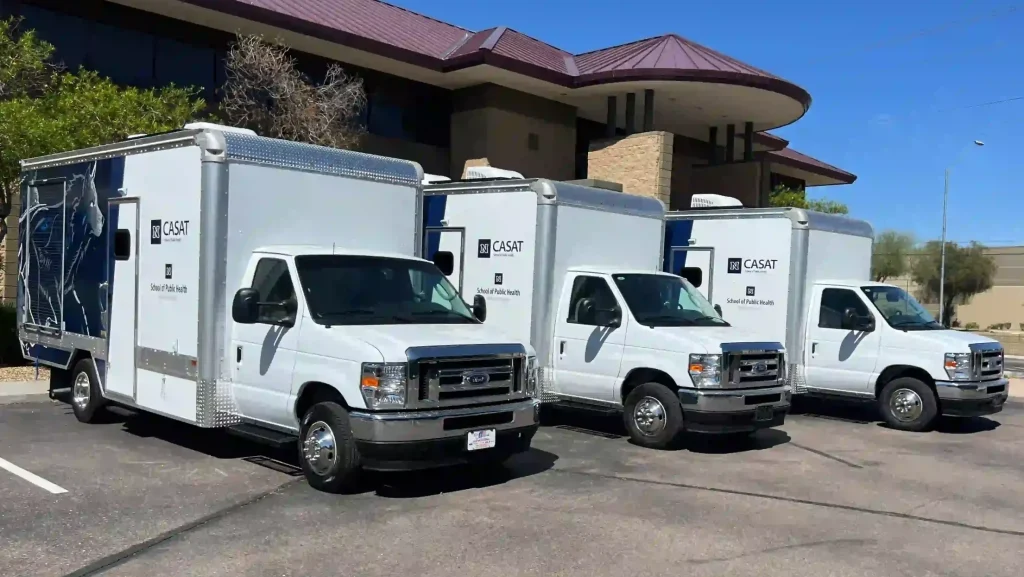
Which Is Right for You?
The best choice depends on your services, team size, budget, and where you’ll be providing care.
Our team can help you compare options and design the perfect mobile clinic for your mission.
Need Help Deciding?
View our FREE Buyer’s Guide for expert insights, planning tips, and key considerations to help you make an informed decision.
Trusted Nationwide
Trusted by Leading Animal Care Organizations
Trusted by veterinary clinics, humane societies, animal shelters, universities, and nonprofit organizations to deliver high-quality mobile animal care vehicles.




Built to Support
Organizations Across Every Sector
Delivering mobile solutions for healthcare, education, government, nonprofit, and commercial applications.
Healthcare
Education
Government
Non-Profit
Public Safety
Corporate
Ready to Get Started
Let’s Build a Solution That Moves Care Forward
Tell us about your operation and our team will help build the right mobile vehicle solution for your needs.