
Veterinary Vehicle Selection
How to Compare Mobile Veterinary Clinic Builders
Compare builders around your veterinary services, animal workflow, and the support behind the build.
Compare mobile veterinary clinic builders by how well their proposed vehicles support your services, animal flow, equipment, utilities, and operating sites. Ask each builder to demonstrate the fit with a measured layout and an itemized scope.
A wellness van and a clinic designed for surgical outreach serve different workflows. Begin with the veterinary services your team intends to provide rather than choosing a vehicle from its exterior or starting price.
This guide helps veterinary practices, shelters, rescues, nonprofits, and public animal-care programs build a useful comparison sheet. Your veterinary team should set clinical requirements; the builder should explain how the vehicle will accommodate them.
Magnum offers veterinary vans, drivable clinics, and trailers, alongside dedicated spay and neuter units. That range gives organizations several formats to explore around their mission.
Write a service brief first: species and animal sizes, planned services, staff roles, equipment, holding needs, host locations, and the budget available to launch and operate the program.
A Comparison Checklist for Veterinary Clinic Builders
Use one comparison sheet for every builder
- Vehicle format and site requirements
- Animal intake, treatment, and departure flow
- Exam, procedure, holding, and recovery space
- Equipment supply and installation responsibilities
- Power, water, climate control, and storage
- Included scope, approvals, delivery, and support
Record each requirement as included, optional, excluded, or unconfirmed. Keep drawings and written answers with the proposal so your team can trace what was agreed.
Ask every builder to explain its recommendation using the same service brief. That makes differences easier to assess than a collection of unrelated model brochures.
Separate vehicle capability from staffing and clinical capacity. More space or more cages does not establish how many animals your veterinary team can safely serve in a day.
Use the comparison to identify the configurations worth discussing further. Resolve the important fit questions before comparing final purchase terms.
Match the Builder’s Proposal to Your Services
Start with the services: wellness exams, vaccinations, treatment, diagnostic work, and surgical outreach can create different space and equipment needs.
Ask the builder which vehicle format and layout it recommends for that mix of services. Review the explanation with the veterinary lead who will oversee the program.
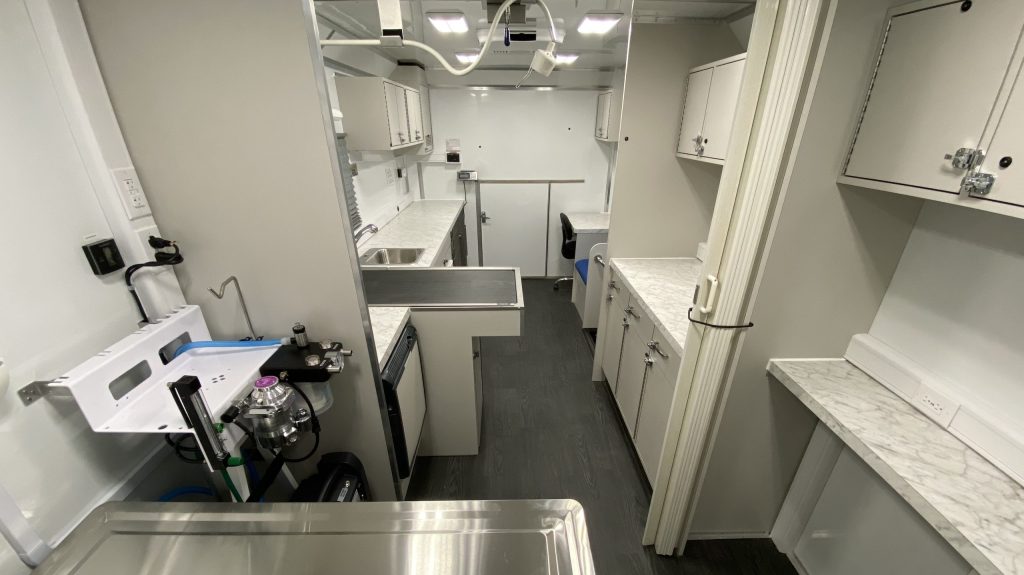
Magnum’s veterinary and spay-neuter ranges give buyers a way to explore general animal care and dedicated surgical-outreach layouts. Confirm the exact spaces and equipment in the proposed configuration.
Review Animal Flow, Holding, and Recovery Space
Trace one animal’s visit through the drawing. Review check-in, handling, examination, any procedure, observation or recovery, and departure with your veterinary team.
Ask where handlers stand, where carriers are placed, and how staff reach supplies. Check whether the plan allows the intended workflow without routinely moving animals or equipment through conflicting tasks.
Review holding arrangements for the species and sizes you expect. Confirm enclosure dimensions, access, securing, ventilation, cleaning considerations, and whether cages or carrier spaces are actually included.
If recovery is part of the service plan, your veterinary lead should define its space and monitoring requirements. Ask the builder to show how those requirements fit the proposed vehicle.
A practical layout review is more useful than asking only how many rooms or cages a clinic has. The arrangement must work with the people, animals, and equipment using it.
Confirm Veterinary Equipment and Storage Responsibilities
List each device and its installation needs. Include dimensions, weight, required connections, service clearances, and the method for securing it during travel.
Ask who supplies, receives, installs, connects, and checks each item. A vehicle quote can include the workspace while some veterinary devices remain a separate purchase.
For surgical outreach, have the veterinary team specify its required equipment and workflow. Confirm the proposed build supports those specifications rather than assuming a “surgery suite” includes every device.
Discuss storage for clean supplies, medicines, instruments, carriers, and other program materials. Your team should define any required separation or environmental conditions.
Ask how equipment is accessed for maintenance or replacement. A device that fits tightly into a drawing can still require working clearance around it.
Resolve substitutions and optional equipment before layout approval. Changes in device size or connections may affect cabinetry, installed systems, and the final quote.
Check Travel, Sites, and Utility Requirements
Review real host sites: access routes, parking dimensions, surface conditions, patient or handler entry, and clearance for doors, steps, and lifts.
For a trailer, include the tow vehicle and the space needed to position and operate the unit. For a drivable clinic, confirm the loaded vehicle and travel requirements with your fleet team.
Provide equipment specifications so the builder can review electrical needs and proposed power sources. Identify what will depend on the host site and what will be available onboard.
Discuss water, wastewater, climate control, connectivity, and storage between service days. Compare how the proposed unit will be used at the actual locations on your route.
Do not assume that one vehicle specification makes every site suitable. The operator should confirm the setup plan and required host services before committing to a location.
Compare the Quote, Delivery, and Long-Term Support
Compare the complete purchasing scope: chassis or trailer, conversion, equipment, options, delivery, orientation, and exclusions. Ask for a configured quote.
Review design approvals and how changes affect price and timing. Keep important decisions in writing so the finished unit can be checked against the agreed scope.
Ask what happens at delivery: documentation, walkthrough, system demonstrations, and the process for follow-up items. Identify which veterinary and fleet staff should attend.
Request support and warranty contacts for the vehicle, conversion, installed systems, and veterinary equipment. Confirm the terms for each rather than treating them as one blanket coverage promise.
Magnum’s consultation-to-delivery process gives buyers a clear framework for these conversations, from program goals and configuration through manufacturing and support.
Mobile Veterinary Clinic Builder FAQs
What should I compare between mobile veterinary clinic builders?
Compare service fit, vehicle format, animal workflow, equipment integration, utilities, purchasing scope, delivery, and support. Use the same brief and require answers tied to each proposed configuration.
Does a mobile veterinary clinic need a surgery suite?
That depends on the services your veterinary team plans to provide. Define the clinical and equipment requirements first, then review whether a general veterinary or dedicated surgical-outreach layout fits them.
Are cages included in a veterinary clinic quote?
Do not assume so. Ask the builder to distinguish included cages, optional cages, carrier storage, and space reserved for customer-supplied enclosures.
Should we choose a veterinary van or a larger clinic?
Compare the working space, equipment, animal handling, staff, travel, and host sites your program needs. A measured layout and site review provide a better basis than vehicle size alone.
Bring Your Veterinary Mission to Magnum
Build around the care you want to bring to your community. Magnum’s animal-care vehicle range and configurable layouts give your organization options to evaluate around its veterinary mission.
Explore Magnum’s mobile veterinary clinics and spay and neuter clinics before discussing your program.
Bring your services, preliminary equipment list, animal-flow needs, and operating locations. Magnum’s team can help you narrow the formats and configuration choices worth considering.
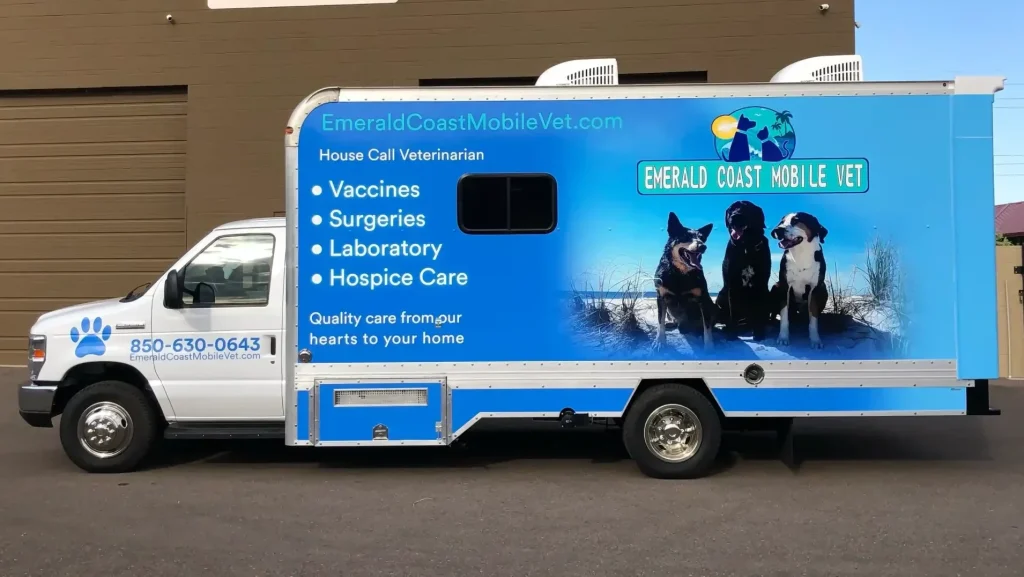
Explore Magnum Animal-Care Vehicles
Your veterinary mission should guide the vehicle.
Explore Magnum’s animal-care formats and discuss a configuration around your services, animals, and team.
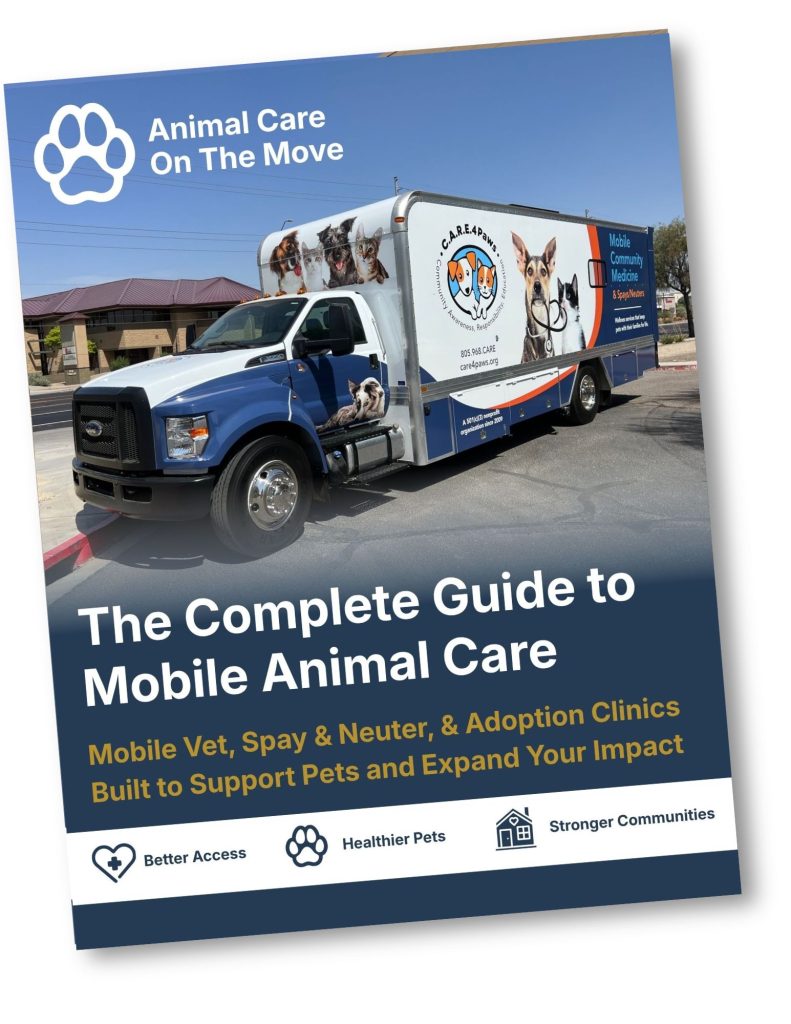
Mobile Animal Care Buyer Guide
Prepare your animal-care vehicle plan with Magnum’s free buyer guide.
Latest From Our Blog
Trusted Nationwide
Trusted by Leading Healthcare Organizations
Trusted by healthcare providers, public agencies, universities, and nonprofit organizations to deliver high-quality mobile specialty vehicles.







Built to Support
Organizations Across Every Sector
Delivering mobile solutions for healthcare, education, government, nonprofit, and commercial applications.
Healthcare
Education
Government
Non-Profit
Public Safety
Corporate
Ready to Get Started
Let’s Build a Solution That Moves Care Forward
Tell us about your operation and our team will help build the right mobile vehicle solution for your needs.