
Mobile Clinic Ownership Planning
What Drives the Total Cost of Owning a Mobile Clinic?
Look beyond the purchase price to the vehicle, utilities, upkeep, installed equipment, and costs of long-term use.
A mobile clinic’s total cost of ownership includes the configured purchase and the costs of keeping the vehicle and installed systems usable over your planning period. Fuel, utilities, insurance, storage, maintenance, repairs, and equipment service can matter alongside the initial price.
The full program budget is broader: it also includes clinical staff, consumables, scheduling, administration, and other costs of delivering care. State which costs your comparison includes so decision-makers understand the result.
For a fair comparison, use the same ownership period, service goals, equipment scope, routes, and activity assumptions for every proposed vehicle. A lower purchase price does not by itself establish a lower long-term cost.
This guide explains the main ownership-cost drivers for medical, dental, and animal care clinics and how to build a practical comparison from your organization’s own estimates.
Use current quotes and actual fleet, facilities, insurance, and equipment-supplier input. Keep unresolved costs and assumptions visible instead of replacing them with unsupported industry averages.
Start with the Complete Acquisition Scope
Include these ownership-cost categories
- Vehicle, equipment, and installation.
- Applicable acquisition and financing costs.
- Travel fuel and onboard power.
- Insurance, storage, and required recurring fees.
- Vehicle and equipment maintenance and repairs.
- Upgrades, interruptions, and end-of-use costs.
Start with the configured vehicle quote. Separate builder-supplied equipment from customer-supplied items, installation, delivery, and other purchase expenses that need their own estimates.
Use the same clinical requirements when comparing models. A vehicle that omits equipment your team needs may require additional spending before it can support the intended services.
Confirm the cost treatment with your finance team. Use a consistent method for acquisition, financing, and estimated end-of-period value so the comparison does not count the same purchase cost twice.
Compare Magnum’s vehicle lineup by configuration and operating needs. Request the written quote and equipment scope that belong to each proposed model.
Estimate Routes, Mileage, and Travel Requirements
Estimate the routes and annual mileage for the actual program. Include travel from storage to hosts, return trips, resupply, servicing, and other routine destinations.
Ask the fleet team for appropriate fuel-use assumptions for the configured vehicle and expected routes. Do not substitute a passenger-car benchmark for a specialty clinic’s operating pattern.
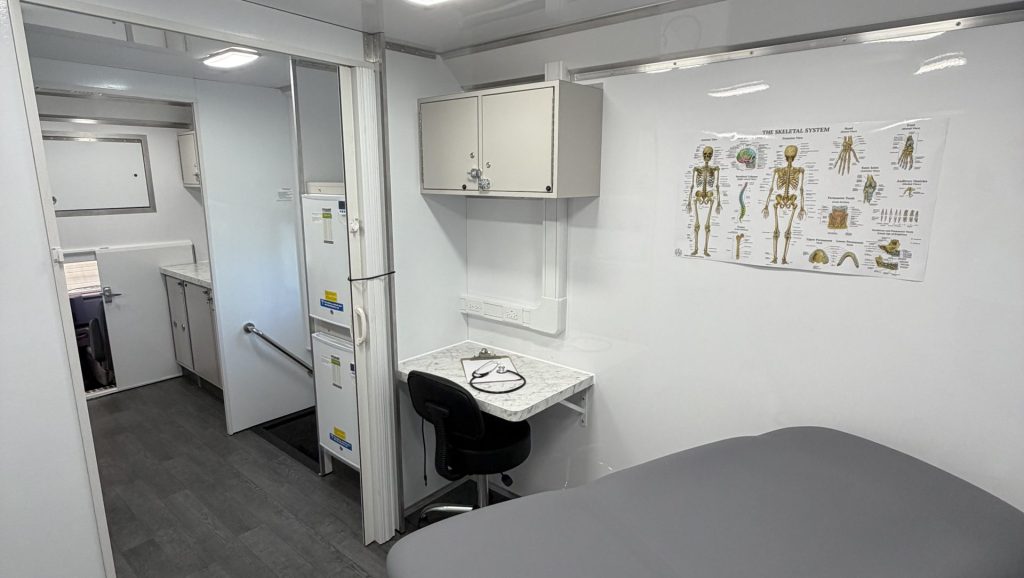
For a trailer, include towing arrangements and any tow-vehicle costs assigned to the program. For a drivable clinic, consider its own vehicle service and operating requirements.
Account for Power and Operating-Site Utilities
Power and climate control expenses depend on where the clinic works, the equipment used, and the length of the service day. Driving mileage does not capture every energy cost.
Estimate generator use or host-site electricity using the planned schedule and the installed system. Confirm available shore-power connections before assuming a host will supply them.
Discuss heating, cooling, refrigeration, and clinical equipment loads with the builder and responsible facilities staff. Use their input to define the operating assumptions.
Include water filling, wastewater handling, communications, and other utilities where applicable. Identify whether the organization or host pays for each item.
Check seasonal operating conditions and likely site constraints. Compare the systems needed for the program’s actual locations rather than assuming every vehicle works under identical conditions.
Plan Vehicle and Equipment Upkeep
Separate service needs for the chassis or trailer, the clinic body, and clinical equipment. Each can have different schedules, providers, and support responsibilities.
Use the relevant manufacturer and supplier service requirements to estimate routine upkeep. Include inspections, servicing, cleaning materials, and replacement wear items as applicable.
Ask about service needs for installed equipment and onboard systems. A clinic can accumulate usage through service days and generator operation even when annual driving mileage is modest.
Review warranty documents separately for the chassis, coach, and equipment. Identify maintenance obligations, exclusions, service contacts, and expenses that remain with the operator.
Estimate repair reserves using your organization’s policy, operating history, and supplier input. Record what the reserve covers and what would require another funding decision.
Plan who schedules maintenance, transports the unit for service, and coordinates equipment repairs. Include that work in the operating plan so responsibility is clear.
Include Insurance, Storage, and Interruptions
Get insurance estimates for the actual vehicle and program use. Ask your insurer to clarify the relevant coverage and costs rather than assuming an ordinary vehicle policy covers every aspect of the clinic.
Include overnight storage, parking, security arrangements, and utilities used while the unit is stored. Identify space already available and any new commitments the program needs.
List applicable recurring registration, inspection, or other required fees through the responsible fleet or purchasing team. Requirements depend on the vehicle and operating location.
Discuss how the program will respond to an unavailable vehicle or critical device. Rescheduling, referrals, substitute arrangements, and service travel may affect costs and planned activity.
Consider anticipated equipment changes and major upgrades over the comparison period. Mark them as estimates and identify the decisions that would trigger additional spending.
Compare Costs Over the Same Planning Period
Use a consistent ownership-cost model
For planning, combine the acquisition scope with estimated ownership expenses over the chosen period, then handle any end-of-period value or disposal costs consistently. Have finance confirm the method used for the comparison.
The U.S. Department of Energy’s vehicle ownership-cost tools illustrate why purchase price alone is incomplete. A mobile clinic comparison must also account for its installed clinical systems and operating requirements.
Keep clinical staffing, supplies, and other care-delivery costs in a clearly identified program-cost layer. Add them when the decision concerns the whole program, rather than silently mixing different definitions of ownership cost.
Test changes in mileage, service days, energy costs, maintenance, and launch timing. Use the same scenarios for each option and identify which assumptions most affect the comparison.
Compare cost alongside the clinic’s ability to support the planned services. A configuration that cannot meet a required workflow or access need should not be treated as equivalent simply because its estimated cost is lower.
Mobile Clinic Ownership Cost FAQs
What belongs in mobile clinic total cost of ownership?
Include the configured purchase and applicable acquisition costs, fuel and utilities, insurance, storage, recurring fees, upkeep, repairs, equipment service, and relevant end-of-use costs over a defined period.
Is total ownership cost the same as the full program budget?
Define the comparison clearly. The full program budget also includes clinical staff, consumables, scheduling, administration, and other care-delivery costs. State what is included in each total.
Can a lower starting price lead to higher ownership costs?
It can, depending on the configured scope and operating plan. Extra equipment, towing arrangements, utilities, upkeep, storage, or other requirements may change the long-term comparison. Use actual estimates for the proposed models.
How do we compare ownership costs fairly?
Use the same time period, service requirements, equipment scope, routes, activity assumptions, and cost definitions. Confirm estimates with the responsible teams and test changes to the main assumptions.
Build an Ownership Plan Around Your Program
Gather a configured quote, equipment schedule, route plan, service calendar, utility requirements, storage arrangements, and maintenance information for each proposed vehicle.
Have fleet, clinical, facilities, insurance, finance, and purchasing staff review the assumptions. Record the source, owner, and date of each estimate.
Review Magnum’s support resources and financing information as you organize questions about the vehicle purchase and ongoing ownership.
Discuss your vehicle requirements with Magnum to establish the configured purchase scope. Use that quote alongside your operating estimates to compare the complete ownership plan.
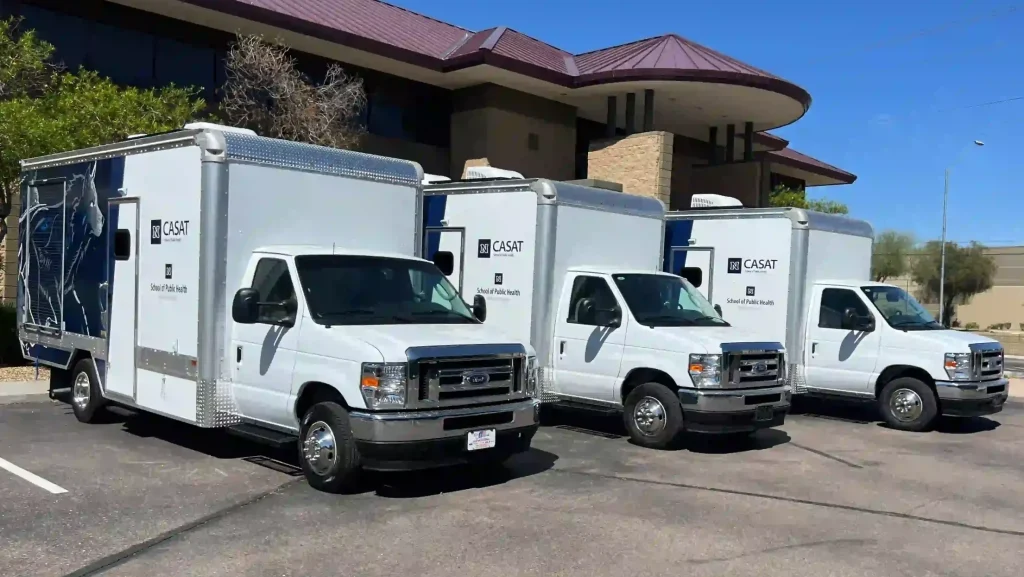
Define Your Vehicle and Equipment Scope
Compare configured models using the same equipment needs, operating sites, and service goals.
Request a clear purchase scope and gather estimates for upkeep, utilities, storage, and equipment service.
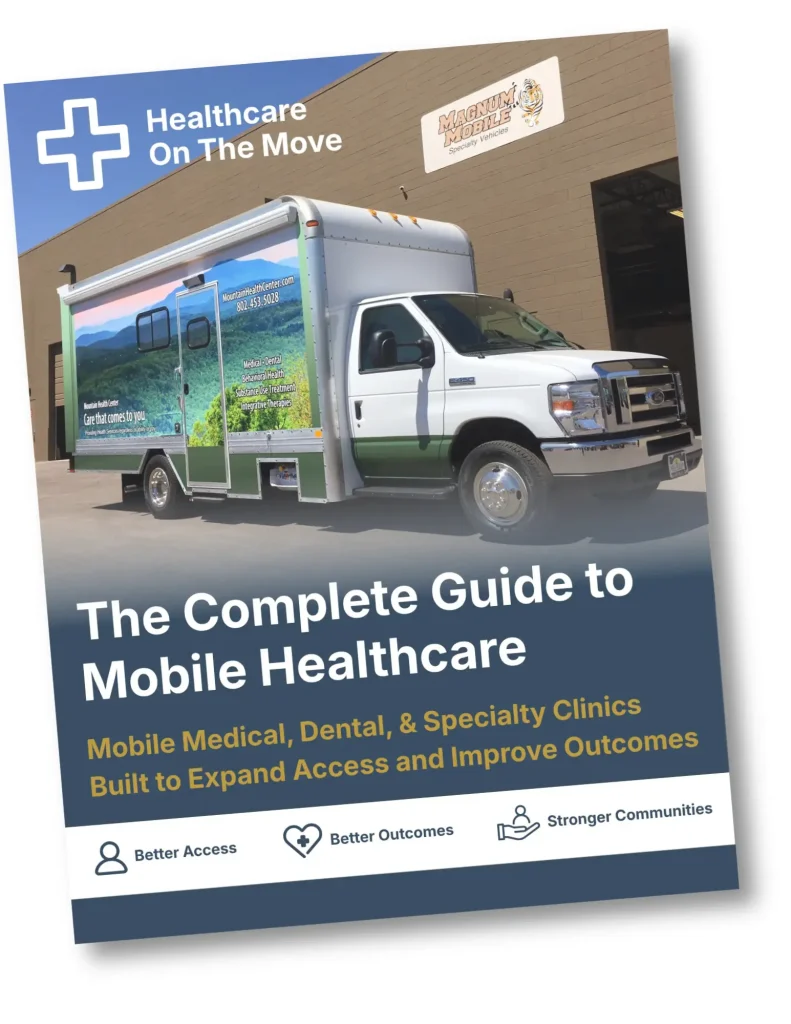
Plan for Long-Term Ownership
Organize your service goals and vehicle requirements before building a long-term ownership comparison.
Latest From Our Blog
Trusted Nationwide
Trusted by Leading Healthcare Organizations
Trusted by healthcare providers, public agencies, universities, and nonprofit organizations to deliver high-quality mobile specialty vehicles.







Built to Support
Organizations Across Every Sector
Delivering mobile solutions for healthcare, education, government, nonprofit, and commercial applications.
Healthcare
Education
Government
Non-Profit
Public Safety
Corporate
Ready to Get Started
Let’s Build a Solution That Moves Care Forward
Tell us about your operation and our team will help build the right mobile vehicle solution for your needs.