
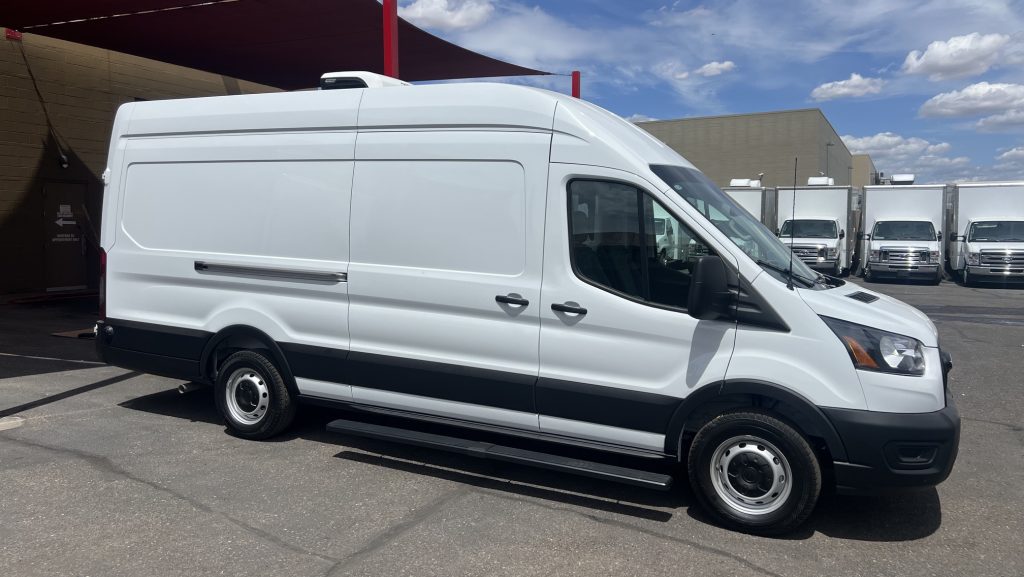
Why Mobile Medical Vans Are Becoming an Essential Part of Modern Healthcare
Healthcare organizations across the country are continuing to look for smarter ways to expand patient access, improve operational flexibility, and reduce the costs associated with traditional healthcare expansion. As the demand for convenient and accessible healthcare services continues to grow, many providers are turning to mobile medical vans as practical solutions that allow care to be delivered directly where it is needed most.
From preventative care programs and wellness screenings to occupational health services and community outreach initiatives, mobile healthcare units are helping organizations operate more efficiently while reaching more patients across multiple locations.
Expanding Access to Healthcare Services
Not every community has easy access to healthcare services. Rural areas, underserved populations, schools, workplaces, and outreach programs often require healthcare providers to travel directly to the communities they serve.
A mobile medical van allows organizations to provide healthcare services in multiple locations without the need for additional permanent facilities. This mobility helps providers increase accessibility, improve patient convenience, and expand healthcare outreach efforts more effectively.
Mobile medical units are commonly used for:
- Primary care and wellness programs
- Vaccination and immunization clinics
- Occupational health services
- Community healthcare outreach
- Rural healthcare access
- Preventative screenings
- University and school healthcare programs
- Event and emergency response support
As healthcare continues shifting toward preventative and community-based care models, mobile medical clinics provide organizations with a flexible way to meet growing patient demand.
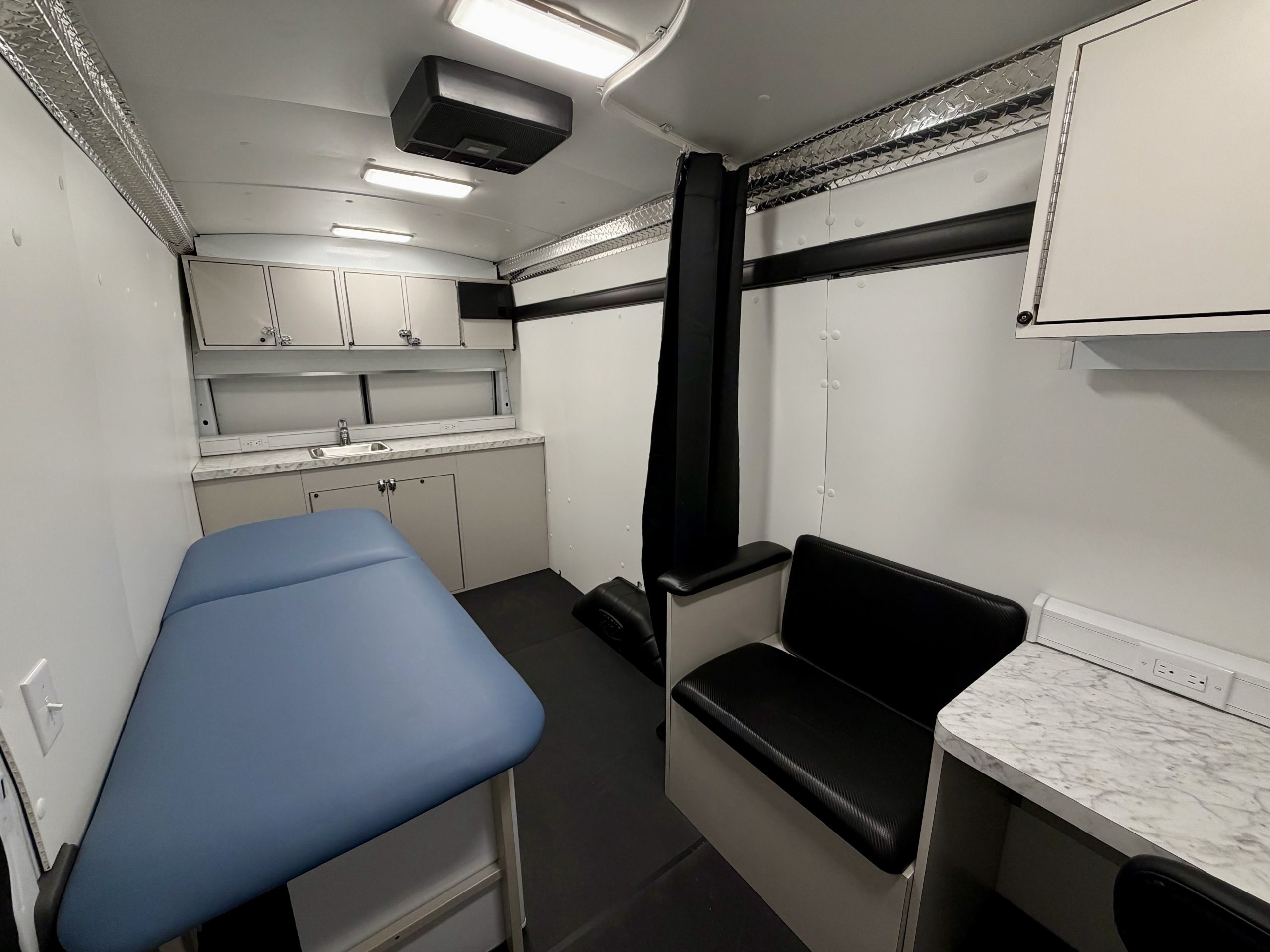
Benefits of a Mobile Medical Van
One of the biggest advantages of a mobile medical clinic is flexibility. Organizations can bring healthcare services directly to patients while improving efficiency and reducing barriers to care.
Reach More Communities
Mobile healthcare units allow providers to operate in multiple locations while expanding access to care in underserved or high-demand areas. Instead of relying on patients to travel to a healthcare facility, providers can deploy services directly into local communities.
Reduce Expansion Costs
Compared to building or leasing additional healthcare facilities, mobile medical vans provide a more flexible and cost-effective way to expand healthcare operations. Organizations can increase outreach and service capabilities without the long timelines and overhead costs associated with traditional expansion.
Improve Patient Convenience
Accessibility plays a major role in patient participation. Mobile healthcare units help reduce transportation barriers and improve convenience by bringing healthcare services closer to patients, workplaces, schools, and community centers.
Support Scalable Growth
Many organizations use mobile healthcare units as scalable long-term solutions. A single mobile clinic can support multiple deployment locations throughout the week while allowing providers to gradually expand operations based on demand.
Strengthen Community Outreach
Mobile medical vans help healthcare organizations increase visibility within the communities they serve. Outreach events, preventative care programs, wellness initiatives, and public health campaigns become easier to organize when healthcare services are mobile and adaptable.
Features Designed for Daily Healthcare Operations
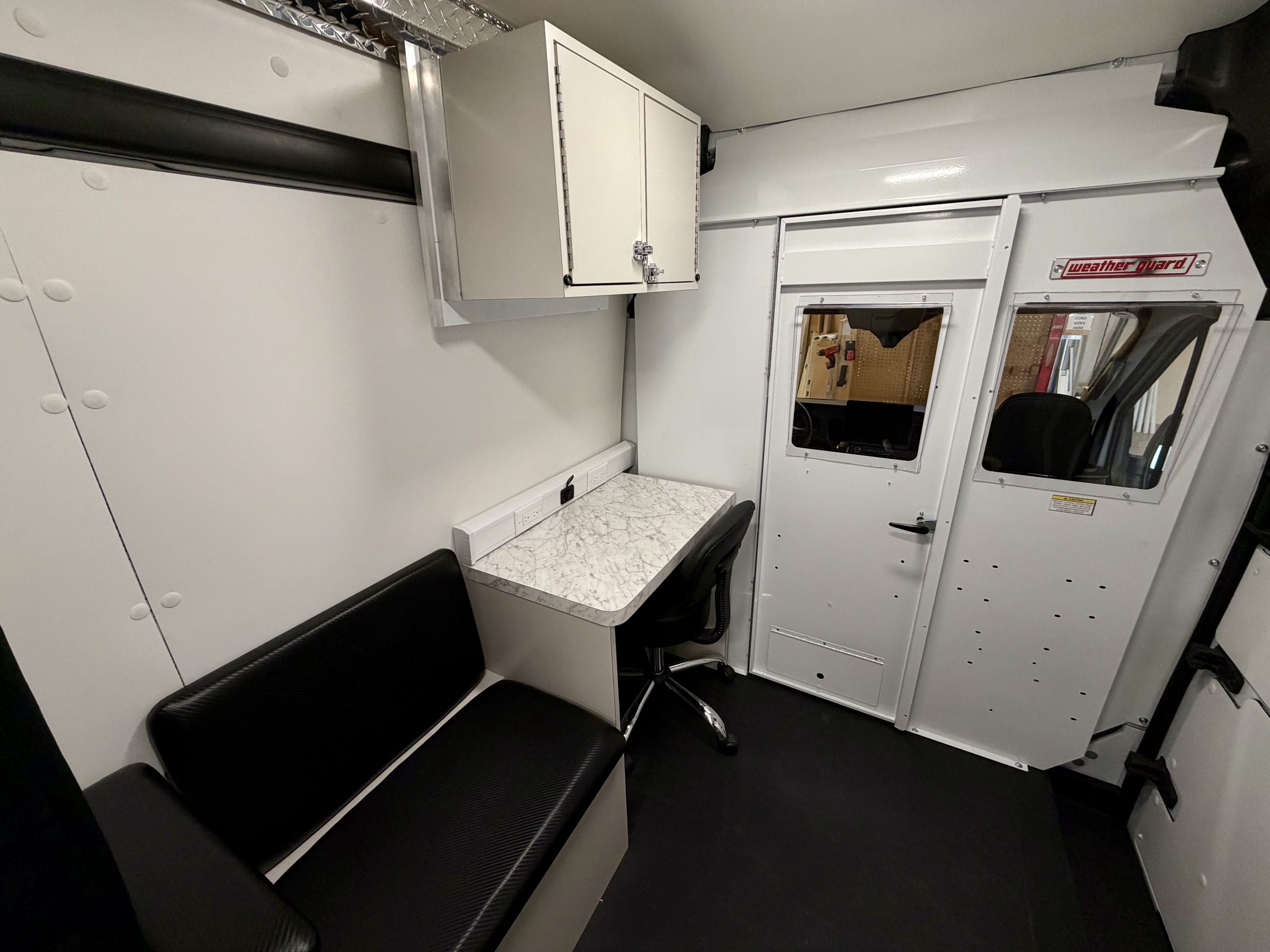
Today’s mobile medical vans are designed to support reliable day-to-day healthcare operations while creating a clean, professional, and organized environment for both providers and patients.
Common features include:
- Dedicated exam and treatment areas
- Integrated sinks and sanitation stations
- Climate-controlled interiors
- Organized cabinetry and medical storage
- Durable and easy-to-clean surfaces
- Efficient workflow layouts
- Electrical and lighting systems
- Generator and shore power options
- Custom equipment integration
At Magnum Mobile, our mobile medical units are designed to support real-world healthcare environments while helping providers maintain efficiency, organization, and patient comfort throughout daily operations.
Mobile Healthcare Solutions Built Around Your Needs
Every healthcare organization operates differently, which is why mobile medical units should be designed around specific operational goals and service requirements.
At Magnum Mobile, we build a range of custom mobile healthcare solutions designed to support different workflows, deployment styles, and healthcare programs.
Our builds include:
- Mobile Medical Vans and Compact Clinic Solutions
- 19 Ft Mobile Medical Clinics
- 23 Ft Mobile Medical Clinics
- 26 Ft Mobile Medical Clinics
- Custom Healthcare Trailers and Specialty Units
Whether organizations need a compact mobile healthcare solution for community outreach or a larger clinic designed for high-volume operations, mobile medical units can be customized to support a wide range of healthcare services and equipment requirements.
The Future of Mobile Healthcare
As healthcare organizations continue focusing on accessibility, preventative care, and operational flexibility, mobile medical vans are expected to play an even larger role in the future of healthcare delivery.
Mobile healthcare allows providers to meet patients where they are while improving outreach efforts and reducing barriers to care. Advances in medical technology, portable equipment, and mobile clinic design have made healthcare services more adaptable and efficient than ever before.
For many organizations, mobility is no longer viewed as an alternative healthcare solution — it is becoming an essential part of modern healthcare operations.
Whether supporting community health programs, workplace wellness initiatives, preventative care campaigns, or rural healthcare access, mobile medical clinics provide healthcare teams with the ability to deliver care more efficiently while expanding patient reach.
Learn More About Magnum Mobile Healthcare Solutions
Magnum Mobile designs and builds custom mobile medical vans and healthcare clinics tailored to the needs of healthcare providers, outreach organizations, corporations, and public health programs.
To learn more about our custom mobile healthcare solutions, contact our team through our website.
Frequently Asked Questions
What organizations benefit most from a mobile medical van?
Mobile medical vans are commonly used by hospitals, healthcare systems, private practices, nonprofit organizations, occupational health providers, universities, public health departments, and community outreach programs looking to expand healthcare access.
What are the advantages of a mobile healthcare clinic?
Mobile healthcare clinics provide flexibility, lower expansion costs, improved patient accessibility, scalable operations, and the ability to deliver healthcare services directly into communities and workplaces.
Can mobile medical units operate in rural areas?
Yes. Mobile medical clinics are frequently used in rural and underserved areas where access to traditional healthcare facilities may be limited. Their mobility allows providers to bring care directly to the communities they serve.
What should organizations consider when choosing a mobile medical van?
Important considerations include interior layout, workflow efficiency, storage capacity, power requirements, sanitation systems, climate control, and the specific healthcare services the organization plans to provide.
Are mobile medical vans only used for community outreach?
No. In addition to outreach programs, mobile healthcare units are also used for occupational health services, preventative screenings, wellness clinics, vaccination programs, emergency response support, and general healthcare operations.
What types of mobile healthcare solutions does Magnum Mobile build?
Magnum Mobile builds a range of custom mobile healthcare solutions including compact medical vans, larger mobile clinic units, specialty healthcare trailers, and fully customized mobile medical vehicles designed around different operational needs.
Which Is Right for You?
The best choice depends on your services, team size, budget, and where you'll be providing care.
Our team can help you compare options and design the perfect mobile clinic for your mission.
Why Choose Magnum Mobile?
At Magnum Mobile, every mobile medical clinic is designed around your organization's needs.
Whether you're looking for a compact mobile medical van, a fully equipped box truck, or a large mobile medical trailer, our team works with you to create a clinic built for long-term reliability, functionality, and patient care.Every clinic is built with quality materials, durable construction, and layouts that support healthcare professionals in the field.
Latest From Our Blog
Industry Insights, Company News & Recent Projects
Ready to Get Started
Let’s Build a Solution That Moves Care Forward
Tell us about your operation and our team will help build the right mobile vehicle solution for your needs.