
Community Health Center Planning
How Community Health Centers Can Plan a Mobile Clinic Program
Extend Your Health Center’s Reach With a Connected Mobile Program
A community health center can plan a mobile clinic program by identifying an access gap, defining the services delivered on the vehicle, assigning staff and operating resources, and connecting every visit to the center’s ongoing care. Choose the vehicle after documenting how patients, clinicians, records, supplies, and referrals will move through that program.
The opportunity is to extend a trusted organization into places and schedules that fit patients’ lives. The practical question is how that outreach will work alongside your existing locations without leaving follow-up, staffing, or recurring costs unresolved.
A useful planning team includes clinical leadership, operations, scheduling, finance, information technology, facilities or fleet staff, and community partners. Give the project a clear owner who can bring their decisions together.
Magnum Mobile builds specialty vehicles around the services and workflow your organization needs. Bringing a clear program brief to the design conversation helps turn your access goals into a layout and equipment plan.
Use the steps below to connect your mobile clinic to the health center’s wider patient experience before choosing a configuration or requesting a quote.
Start With a Specific Patient Access Gap
Start with a defined group of patients and a specific barrier. Review your own appointment patterns, community feedback, transportation challenges, and partner observations rather than assuming that every underserved area needs the same mobile services.
Describe the gap: Identify which patients have difficulty reaching existing care, which services they need, and why a mobile visit could make access more practical.
Check the fit: Compare mobile outreach with options such as different clinic hours, transportation support, or a partner-hosted service. Document why the proposed approach fits the problem.
Define the first phase: Select an initial service area and schedule that your team can support. A focused beginning makes assumptions easier to evaluate and adjust.
Write a short purpose statement: who the program serves, where it operates, what it provides, and how patients remain connected to the health center afterward.
Define Services and the Full Patient Journey
Choose the first services before specifying the vehicle. A primary care visit, dental treatment day, screening event, and vaccination session can require different equipment, appointment lengths, privacy arrangements, and support tasks.
Map one patient journey from scheduling through arrival, registration, assessment, treatment, documentation, and departure. Include any interpretation, accessibility, or caregiver needs the team expects to support.
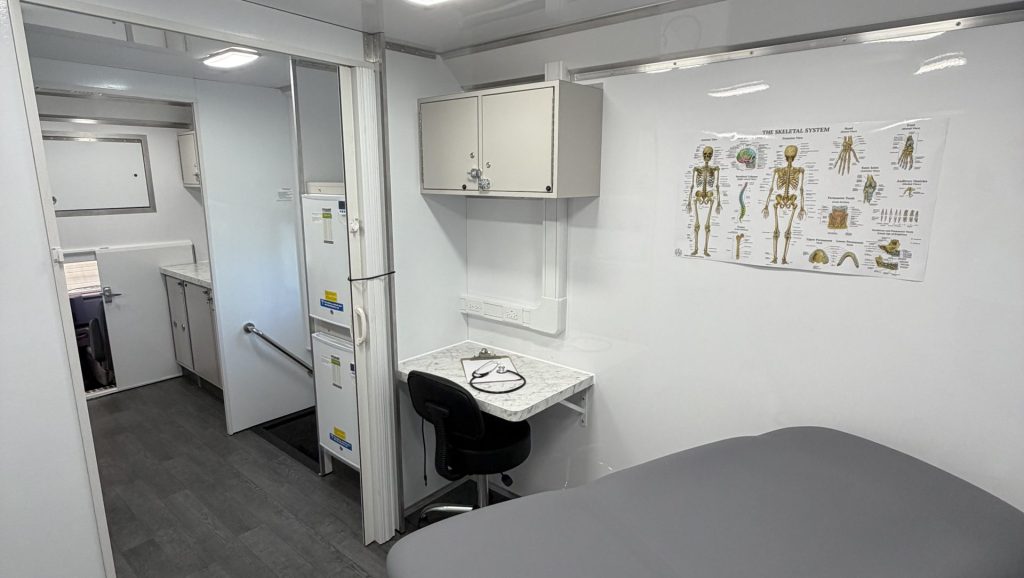
Then map what happens after the vehicle leaves: results review, referrals, prescriptions, subsequent appointments, and patient questions. Assign each handoff to a responsible team rather than leaving it dependent on informal follow-up.
Connect Mobile Visits to Existing Care
A mobile unit should have a defined place in the center’s existing operations. Decide how staff will identify patients, access approved records, document visits, and arrange care at a fixed location when necessary.
Scheduling: Explain whether visits are booked in advance, walk-in, or a combination. Include a plan for communicating changes, cancellations, and return dates.
Records and connectivity: Have your technology team assess access, equipment, privacy, and a downtime workflow for locations where a reliable connection is unavailable.
Care coordination: Give patients a clear contact and next step. Determine how the mobile team and fixed-site team will close the loop on referrals and unresolved needs.
For Health Center Program organizations, involve the staff responsible for scope-of-project requirements early. Review HRSA’s current scope-of-project resources and confirm the steps that apply to proposed services and sites with the appropriate program contacts.
Assign Staff and Recurring Operating Resources
List the people and resources required for a complete operating day. Clinical appointments are one part of the workload; travel, setup, registration, restocking, cleaning, documentation, and follow-up also need coverage.
Staffing plan: Identify clinical and support roles, who drives or manages the vehicle, and how absences or schedule conflicts will be handled.
Effect on existing sites: Explain whether mobile assignments use additional staff, rotating teams, or another arrangement. Estimate the impact on fixed-site appointment availability.
Operating resources: Budget for staff time, fuel, supplies, insurance, maintenance, technology, storage, and other recurring needs alongside the vehicle purchase.
Partner responsibilities: Clarify who manages parking permission, patient outreach, host-site access, utilities, waiting space, and schedule communication.
Use conservative assumptions for the first schedule. Review the plan with the people who will operate it, then revise appointment capacity and staffing around a realistic day.
Turn the Program Plan Into Vehicle Requirements
Translate the program into a written vehicle brief. Include the service list, staff count, equipment specifications, patient movement, storage, utilities, and expected host-site conditions.
Layout: Consider registration, exam or treatment areas, conversation privacy, accessible entry options, and space for the team to work without unnecessary congestion.
Equipment: Identify model numbers, dimensions, mounting needs, utility requirements, and who supplies each item. Confirm these details before treating a floor plan as final.
Vehicle format: Review driving or towing needs, routes, parking, storage, and the space required for operations. Compare configurations against your actual sites and workflow.
Explore Magnum’s mobile medical clinics and mobile dental clinics. The right configuration follows your service plan; available features and equipment depend on the selected build.
Launch With Clear Responsibilities and Measures
Create a launch plan that connects vehicle readiness with program readiness. A delivered unit still needs an operating team, confirmed sites, supplies, scheduling, and established patient communication.
Before the first day: Run a practice session covering setup, patient movement, records, cleaning, restocking, shutdown, and a change in the planned location.
Measure access: Choose a few useful measures such as visits completed, appointment attendance, communities reached, and patient feedback. Define who collects the information.
Measure continuity: Track the follow-up actions that matter to your services, including completed referrals or subsequent appointments. Attendance alone does not explain the whole patient journey.
Schedule a review after the initial operating period. Compare actual demand, staff workload, costs, and handoffs with the original assumptions before expanding routes or adding services.
Community Health Center Mobile Clinic FAQs
Should a health center choose a vehicle before defining services?
Define services and workflow first. Those decisions determine equipment, rooms, storage, utilities, staffing, and the layout the vehicle must support.
Can a mobile clinic work alongside existing health center locations?
It can be planned as an extension of existing care. Specify scheduling, records access, referrals, and follow-up so patients know how to continue care after the mobile visit.
Who should join the mobile clinic planning team?
Include clinical, operational, financial, technology, and vehicle or facilities staff, with community partners where appropriate. Assign one project owner to coordinate decisions.
What should we bring to a manufacturer consultation?
Bring your service plan, expected schedule, staff roles, equipment list, host-site requirements, budget assumptions, and questions that remain open. These details make the design discussion more useful.
Plan Your Health Center’s Mobile Vehicle With Magnum
Magnum Mobile helps organizations translate healthcare outreach goals into specialty vehicle configurations. A thoughtful consultation brings your clinical workflow, equipment requirements, and operating environment into the same conversation.
Review Magnum’s planning-to-delivery process to understand how consultation, design, manufacturing, and delivery fit together. Use each stage to confirm requirements and resolve outstanding decisions.
For more planning considerations, request the Mobile Healthcare Buyer Guide. It provides a starting point for evaluating services, layouts, equipment, and vehicle needs.
Ready to explore a mobile program for your health center? Contact Magnum Mobile with your initial program brief and discuss a vehicle designed around the care your team intends to deliver.
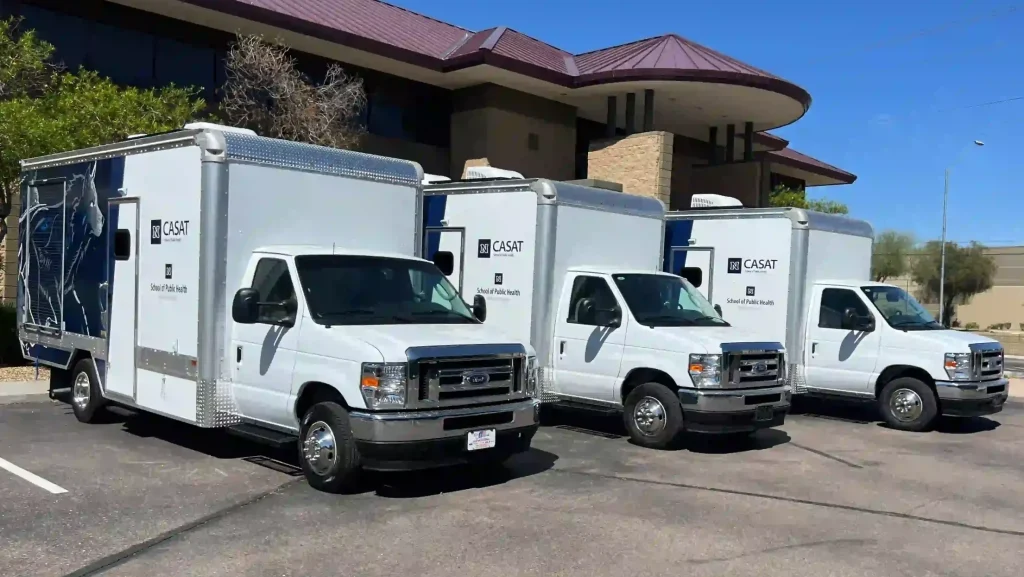
Discuss Your Health Center’s Program
Bring your health center’s outreach goals, clinical workflow, and equipment requirements to a Magnum consultation.
Explore specialty vehicle configurations for the medical and dental services your mobile team plans to provide.
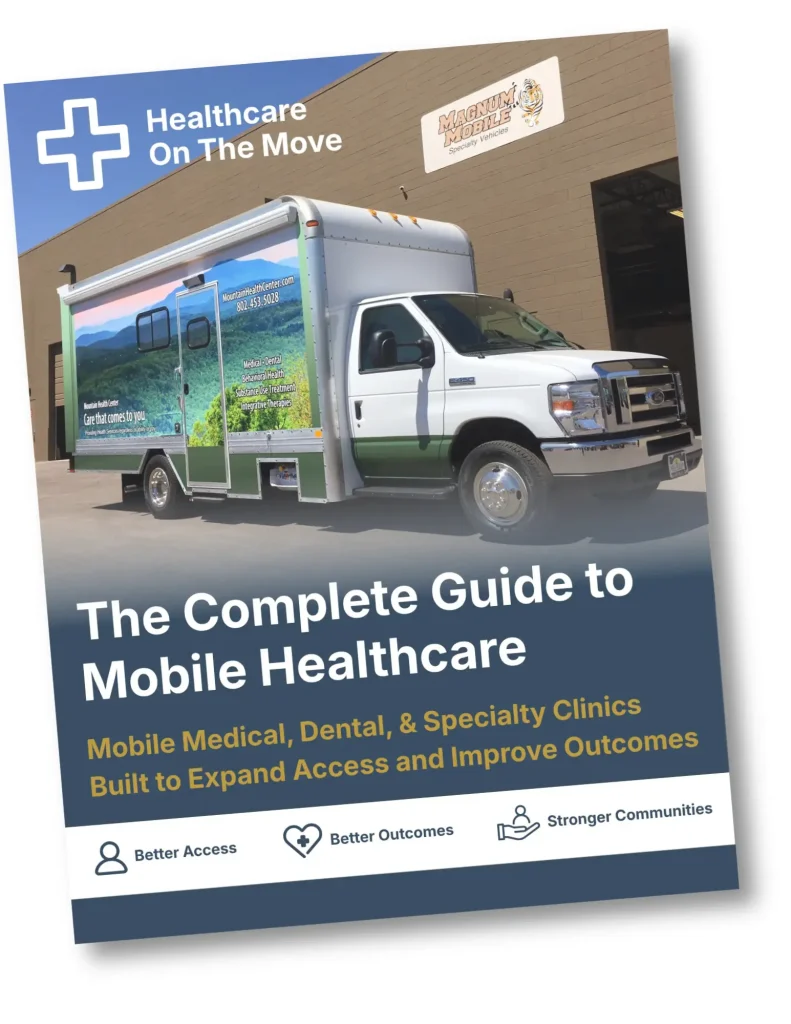
Explore Mobile Healthcare Vehicles
Request the Mobile Healthcare Buyer Guide for practical vehicle planning considerations.
Latest From Our Blog
Trusted Nationwide
Trusted by Leading Healthcare Organizations
Trusted by healthcare providers, public agencies, universities, and nonprofit organizations to deliver high-quality mobile specialty vehicles.







Built to Support
Organizations Across Every Sector
Delivering mobile solutions for healthcare, education, government, nonprofit, and commercial applications.
Healthcare
Education
Government
Non-Profit
Public Safety
Corporate
Ready to Get Started
Let’s Build a Solution That Moves Care Forward
Tell us about your operation and our team will help build the right mobile vehicle solution for your needs.