
Mobile Diagnostic Clinic Planning
Planning a Mobile Diagnostic Clinic: Equipment, Space, and Utility Questions
Plan the Equipment, Working Space, and Utilities Together
Plan a mobile diagnostic clinic by defining the services, confirming the exact equipment specifications, and mapping the space and utilities required for a complete patient visit. Review those requirements with your clinical team, equipment suppliers, and vehicle builder before approving a layout.
“Diagnostic clinic” can describe very different programs. Your starting point might be an assessment and specimen-collection service, a portable equipment workflow, or a more specialized application. Each needs its own equipment and operating brief.
The useful planning question is not simply whether a machine fits inside a vehicle. It is whether the team can transport, set up, operate, clean, secure, and service the equipment within the intended program.
Magnum Mobile builds configurable specialty vehicles with equipment integration considered around the project’s requirements. Bring the proposed service and equipment list early so the team can discuss feasibility, layout, and the scope of the build.
Use the questions below to prepare that discussion. Keep clinical protocols and equipment-specific installation requirements with the qualified teams responsible for them.
Define the Diagnostic Services and Patient Journey
List the diagnostic services your organization plans to deliver and the boundaries of the mobile visit. Identify what takes place on the vehicle, what is handled by a partner, and where patients go for further care.
Patient journey: Map registration, preparation, examination or testing, documentation, and departure. Include the time and space needed for staff explanations and patient questions.
Service scope: Distinguish screening, diagnostic evaluation, specimen collection, and treatment where relevant. Your clinical team should define the intended service rather than relying on a general vehicle description.
After the visit: Assign results review, patient communication, referrals, and any repeat appointments. Give patients a clear point of contact.
A written service brief helps prevent a late equipment decision from changing the whole floor plan. It also lets the builder ask useful questions about the workflow before design moves forward.
Confirm Equipment Models and Installation Requirements
Create an equipment schedule with a line for every item. Record the supplier, model, dimensions, weight, accessories, operating clearance, installation instructions, and service-access needs.
Ask each supplier to confirm whether the proposed equipment is suitable for the intended mobile application and what transport, mounting, environmental, and utility conditions apply. Do not infer suitability from dimensions alone.
Identify who supplies, installs, commissions, maintains, and supports each item. Confirm those responsibilities in the project scope so customer-supplied equipment and builder-provided equipment are coordinated.
Review Working Space, Movement, and Service Access
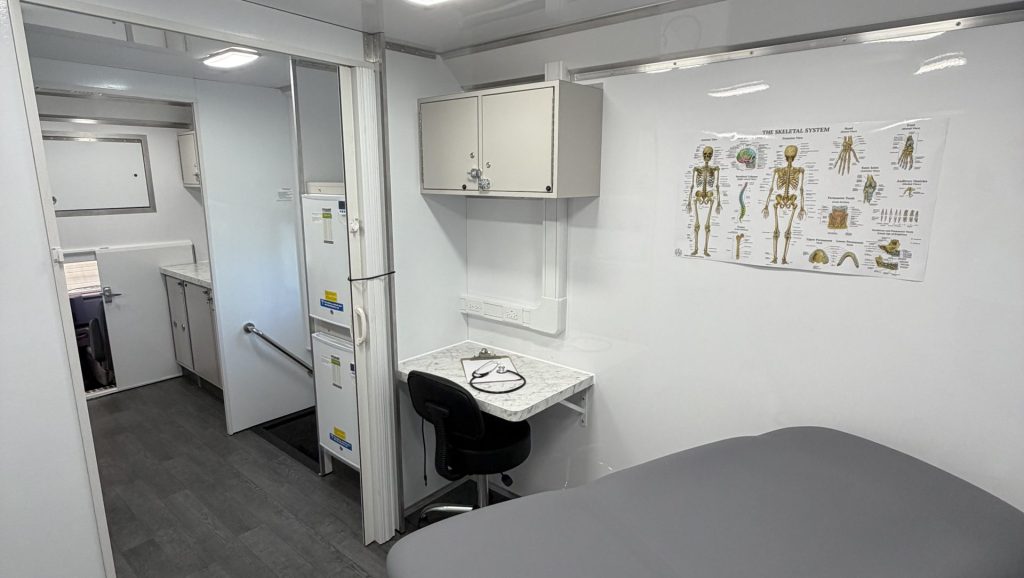
Review the working area around the equipment as carefully as its footprint. Staff and patients need a workable path through the visit, and technicians may need access for maintenance or replacement.
Patient positioning: Discuss the space needed for the proposed examination, staff assistance, mobility devices, and any expected caregiver involvement.
Movement and privacy: Check doorways, circulation, changing needs where applicable, conversations, and separation between active work areas.
Storage: Include supplies, accessories, protective materials, cleaning items, and the workflow for used items or specimens when part of the service.
Installation and access: Review how equipment enters the vehicle, how it is secured, and how staff or service teams reach the relevant connections and components.
Build a Utility Plan From Equipment Specifications
Build the utility plan from documented requirements. The builder and equipment suppliers need to consider the devices that operate together, alongside the vehicle’s other systems.
Electrical requirements: Provide the specified supply, operating demand, startup requirements, outlets, and any other manufacturer instructions. Discuss shore power and onboard power options for the selected configuration.
Climate conditions: Confirm the temperature and humidity conditions required by the equipment and supplies. Include planned climates, setup time, and storage conditions in the discussion.
Water and other connections: Identify equipment-specific water, drainage, air, or other utility needs where applicable. Keep the requirements tied to actual equipment rather than a generic checklist.
Technology: Define workstations, network connections, data transfer, records access, and the workflow for locations without dependable connectivity.
For specialized systems, ask the equipment supplier and appropriate project specialists to identify additional design or approval requirements. Confirm that the chosen vehicle and project team can support the proposed application before making a commitment.
Match the Vehicle to Sites, Routes, and Daily Setup
Evaluate the vehicle in its operating environment. A suitable interior still needs a dependable host location, access route, setup plan, and storage arrangement.
Host site: Confirm permission, parking and setup space, patient access, waiting arrangements, utilities, and the paths needed for doors or accessibility equipment.
Travel and storage: Discuss routes, driving or towing responsibilities, overnight parking, equipment security, and the supplier’s transport and storage conditions.
Daily preparation: Assign setup, readiness checks, restocking, cleaning, shutdown, and any equipment-specific tasks to the responsible staff.
Review Magnum’s mobile medical clinic options with your deployment brief. Ask which configuration can support the confirmed equipment, workflow, and host-site requirements.
Coordinate Design Review and Launch Readiness
Before final approval, bring the clinical, equipment, operations, technology, and vehicle teams together for a coordinated review. Record decisions and unresolved questions in one project list.
Scope check: Verify equipment models, included components, installation responsibilities, utility specifications, storage, and agreed layout details.
Readiness check: Plan the appropriate equipment setup and acceptance activities with the responsible suppliers and clinical team. Identify what must be completed before patient services begin.
Support check: Clarify training, servicing, warranty contacts, spare supplies, and what happens if an essential item becomes unavailable.
Run a practice day using the planned patient and staff workflow. Review setup, movement, documentation, cleaning, and shutdown together, then resolve problems before the first scheduled deployment.
Mobile Diagnostic Clinic Planning FAQs
What equipment can a mobile diagnostic clinic contain?
The answer depends on the proposed services, equipment specifications, and selected vehicle. Share exact models with the builder and suppliers so suitability, installation, and utility requirements can be assessed.
Is enough floor space the only design requirement?
No. Review equipment weight, operating clearances, patient movement, mounting, utilities, service access, transport conditions, and storage alongside the footprint.
Should we select diagnostic equipment before finalizing the layout?
Confirm the proposed equipment and specifications early. Changes in dimensions, weight, clearances, or utility needs can affect the vehicle design and installation plan.
Can an organization supply its own equipment?
Discuss customer-supplied equipment with Magnum during consultation. Confirm the specifications, delivery timing, installation responsibilities, and support arrangements within the agreed project scope.
Discuss Your Diagnostic Vehicle With Magnum
Magnum Mobile helps organizations bring services, clinical spaces, equipment integration, and vehicle systems into a coordinated design conversation. That makes a detailed diagnostic brief a valuable starting point for your project.
Review Magnum’s consultation-to-delivery process to see where your equipment and layout decisions fit. Resolve specifications and responsibilities as the project develops.
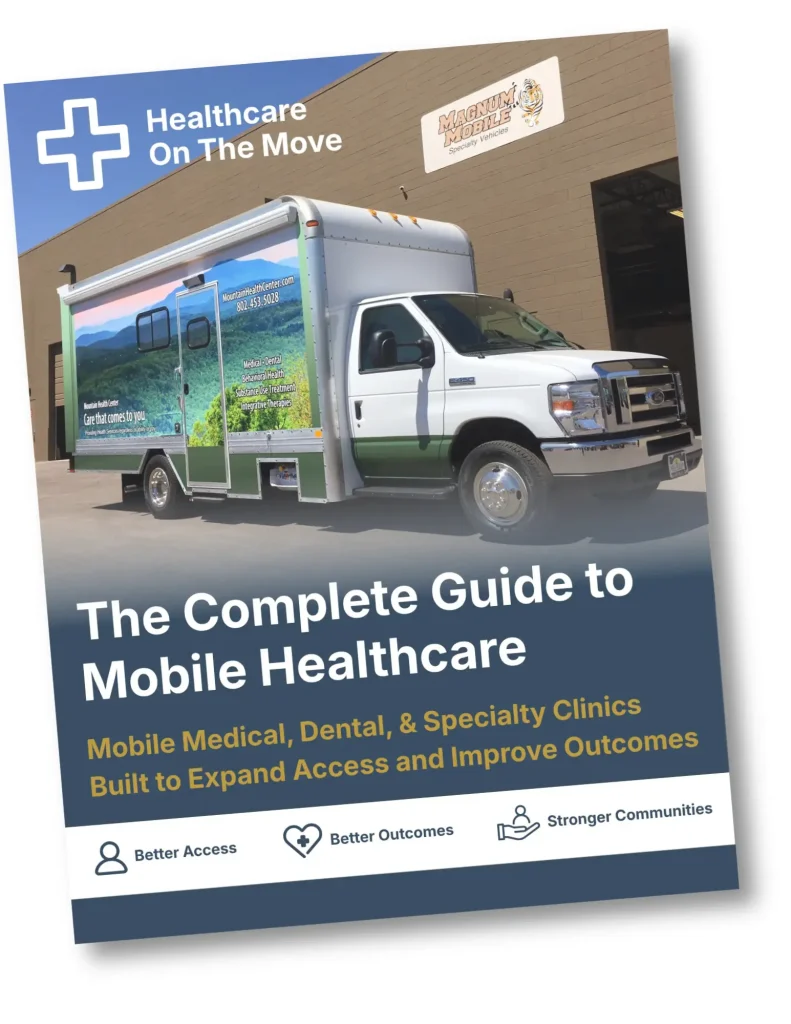
Request the Mobile Healthcare Buyer Guide for broader planning considerations covering services, layouts, equipment, and vehicle needs.
Have a diagnostic program in mind? Contact Magnum Mobile with your service description and equipment schedule to discuss the requirements for a purpose-built mobile clinic.
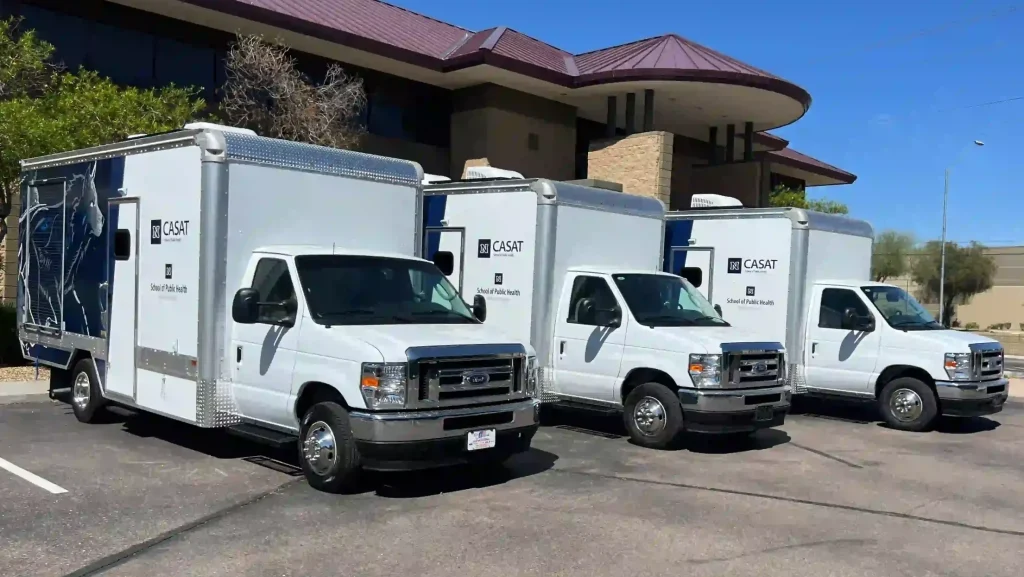
Plan Your Diagnostic Vehicle
Bring your diagnostic service plan and equipment specifications to a Magnum vehicle consultation.
Explore configurable medical vehicles and discuss the requirements of your proposed diagnostic program.
Explore Mobile Medical Vehicles
Request the Mobile Healthcare Buyer Guide for a practical starting point in vehicle planning.
Latest From Our Blog
Trusted Nationwide
Trusted by Leading Healthcare Organizations
Trusted by healthcare providers, public agencies, universities, and nonprofit organizations to deliver high-quality mobile specialty vehicles.







Built to Support
Organizations Across Every Sector
Delivering mobile solutions for healthcare, education, government, nonprofit, and commercial applications.
Healthcare
Education
Government
Non-Profit
Public Safety
Corporate
Ready to Get Started
Let’s Build a Solution That Moves Care Forward
Tell us about your operation and our team will help build the right mobile vehicle solution for your needs.