
Mobile Clinic Community Partnerships
How to Identify Community Partners for a Mobile Clinic
Build Partnerships Around Local Needs and Practical Responsibilities
Quick answer
Identify community partners for a mobile clinic by starting with organizations trusted by the people you intend to serve. Match each partner to a practical role: community input, outreach, hosting, referrals, or follow-up. Review the fit, confirm responsibilities, and assess the site before adding it to your operating schedule.
A partner relationship should connect your service plan with local knowledge and practical support. A familiar name or a large parking lot is useful only when the arrangement fits the program and the people using it.
Start with the audience and service area. Ask which organizations already understand the access barriers, how people hear about services, and what a useful mobile visit would require.
Magnum Mobile can discuss how the resulting host-site and service requirements affect your specialty vehicle. Bring the proposed locations, workflow, utilities, and accessibility needs into the design conversation early.
Define the Roles Your Program Needs From Partners
List the functions your program needs from partners. One organization may cover several, or the program may need a small network with different responsibilities.
Community input: Look for people who can explain local needs, service gaps, communication preferences, and barriers that may affect participation.
Outreach and hosting: Identify who can help explain the service, coordinate appointments, or provide a suitable place for the vehicle and patients.
Care connections: Determine whether the program needs referral partners, follow-up services, or a reliable handoff to an existing care team.
Mobile Health Map’s startup resources recommend involving community leaders in decisions about locations and services. Use that input to shape the partnership around the community rather than treating hosts only as parking providers.
Build a Shortlist of Relevant Local Organizations
Ask your own teams, existing referral contacts, local leaders, and community organizations who already work with the intended audience. Begin with a manageable shortlist rather than a large outreach campaign without a defined purpose.
Depending on the program, potential contacts might include health centers, schools, employers, public agencies, nonprofits, faith communities, or organizations serving specific local groups. Evaluate their relevance to your services instead of assuming every type is a suitable host.
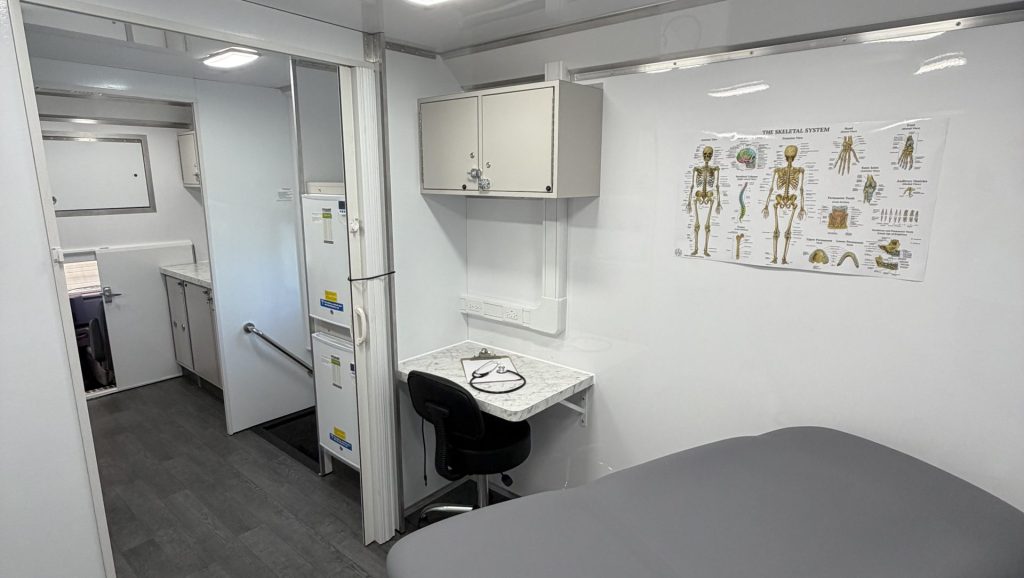
For each candidate, record the proposed role, service area, main contact, reason for the fit, and open questions. That list gives your team a consistent basis for its first conversations.
Assess the Community and Service Fit
Use the initial conversation to understand the partner’s experience and priorities. Explain your intended service without promising a schedule, capacity, or vehicle capability that has not been confirmed.
Audience fit: Ask who the organization serves and how that group relates to your program’s intended patients.
Service fit: Discuss unmet needs, services already available, and where the proposed mobile visit would add practical value.
Participation: Ask what timing, communication, appointment process, and location people are likely to find convenient and familiar.
Ongoing relationship: Explore how feedback, questions, referrals, and schedule changes would move between the organizations after the first event.
Review the Complete Host-Site Requirements
If the partner may host the unit, review the complete operating site. Vehicle parking is one part of the requirements; the team also needs a workable setup and patient-access plan.
Permission and contacts: Confirm who can authorize use, which dates or hours apply, and who handles access or changes on the day.
Vehicle access: Review approach routes, parking measurements, setup space, and clearance for doors, steps, lifts, or other equipment in the selected configuration.
Patient experience: Discuss arrival, waiting, accessible paths, privacy, communication, and the support the host can realistically provide.
Utilities and facilities: Identify power, connectivity, restroom arrangements, and other site resources needed by your operating plan. Confirm details rather than relying on a general assurance that utilities are available.
Share the relevant site information with your vehicle team. Magnum can discuss it alongside the proposed build so your host assumptions and vehicle requirements are coordinated.
Confirm Responsibilities Before Scheduling Visits
Turn a positive conversation into a clear operating arrangement. Record who does what, when information is needed, and how the teams will handle changes.
Before deployment: Assign outreach, booking, permission checks, site access, utility confirmation, patient instructions, and supply preparation.
During the visit: Define the host contact, clinical and support roles, waiting arrangements, and how questions or unexpected site issues are escalated.
After the visit: Assign follow-up, referrals, patient questions, feedback, cleanup, and communication about the next planned service date.
Have the responsible organizations review any agreements and program requirements through their normal processes. Keep clinical responsibility, individual records, and formal commitments with the appropriate teams.
Review the Partnership and Adjust the Plan
Review the partnership after the initial deployments. A relationship can be useful while still needing changes to the schedule, communication, site arrangement, or division of tasks.
Participation and access: Look at attendance, feedback, missed appointments, and the barriers people continue to describe.
Operational fit: Review site reliability, setup, staff workload, utilities, host coordination, and unexpected changes.
Care handoffs: Check whether referrals, results communication, and other follow-up responsibilities are working as intended.
Agree on adjustments and record them before adding more locations. A dependable small partner network gives the program a clearer basis for expansion than a long list of unconfirmed hosts.
Mobile Clinic Community Partner FAQs
What makes a good mobile clinic partner?
A useful partner understands the intended audience and can fulfill a defined role consistently. Assess community fit, communication, site suitability where relevant, and the responsibilities needed by your program.
Does every community partner need to host the vehicle?
No. Some partners contribute local insight, outreach, appointments, referrals, or follow-up. Define their role separately from a host-site arrangement.
Is a large parking lot enough for a host site?
No. Confirm permission, access routes, the operating footprint, patient paths, utilities, waiting arrangements, and the requirements of the selected vehicle and services.
When should partners join the planning process?
Involve them early enough to inform services, scheduling, communication, and sites. Confirm operating responsibilities before placing a host into the regular deployment schedule.
Plan Your Outreach Vehicle With Magnum
Magnum Mobile helps organizations connect service plans and deployment conditions with specialty vehicle design. Your partner and host-site findings can make the vehicle consultation more specific and useful.
Explore Magnum’s vehicle configurations and consultation-to-delivery process. Bring the workflow and site requirements your partner conversations have identified.
Request the Mobile Healthcare Buyer Guide for practical considerations covering services, layouts, equipment, and vehicle needs.
Ready to plan the vehicle for your outreach network? Contact Magnum Mobile with your service brief and host-site information to discuss a configuration around the intended operation.
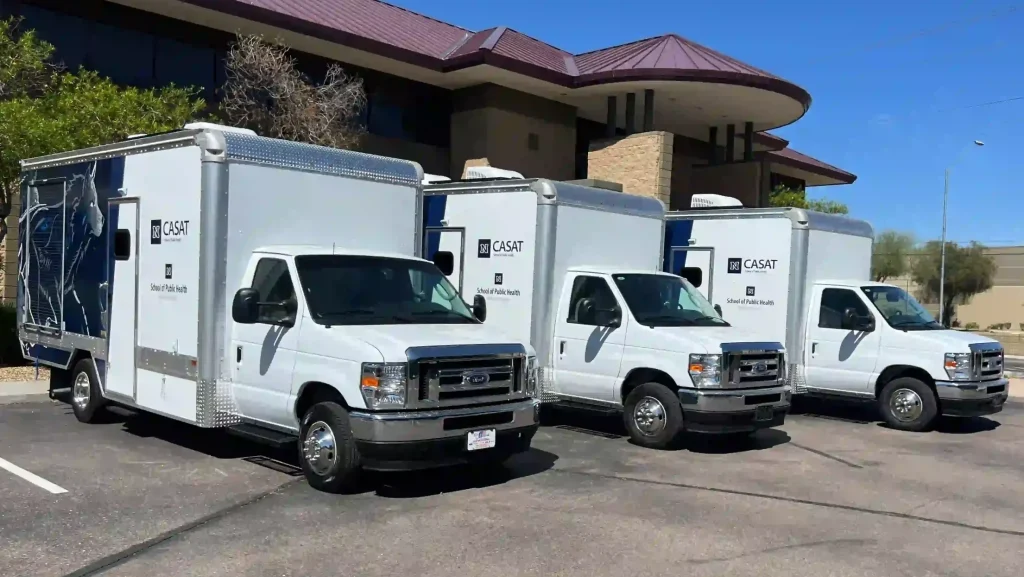
Discuss Your Vehicle
Bring your service plan, equipment needs, and host-site questions to a Magnum consultation.
Discuss the configuration that fits your program and the locations your team plans to visit.
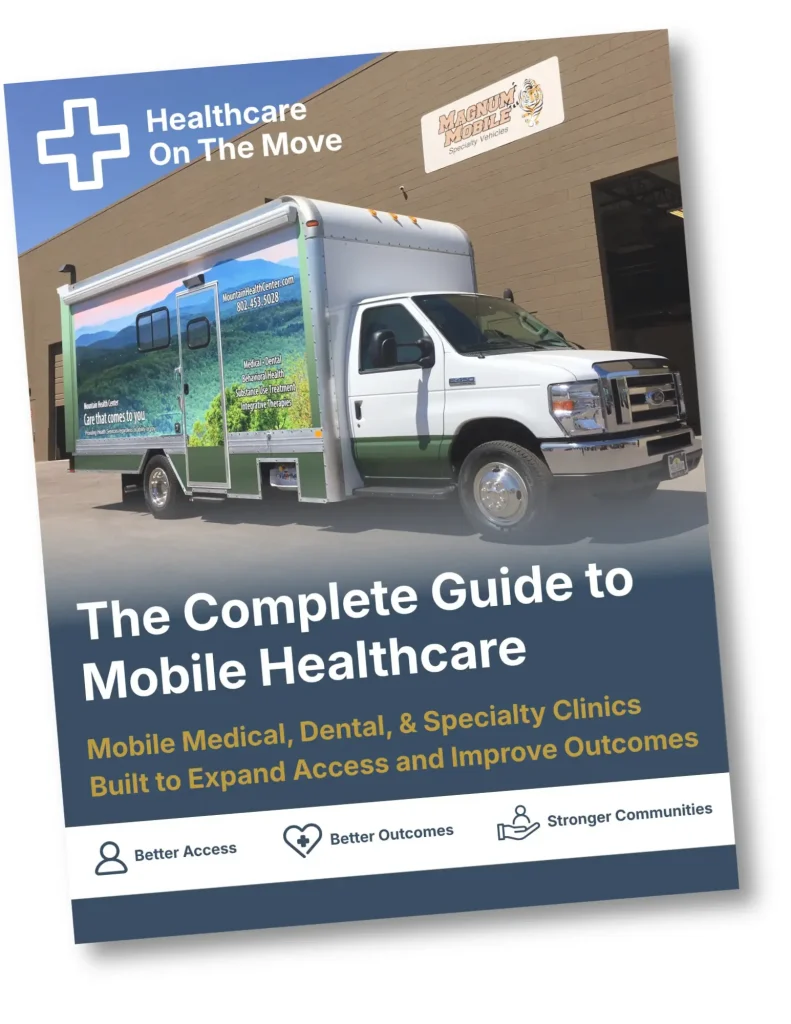
Get the Free Buyer Guide
Get planning considerations for services, layouts, equipment, and vehicle selection.
Trusted Nationwide
Trusted by Leading Healthcare Organizations
Trusted by healthcare providers, public agencies, universities, and nonprofit organizations to deliver high-quality mobile specialty vehicles.







Built to Support
Organizations Across Every Sector
Delivering mobile solutions for healthcare, education, government, nonprofit, and commercial applications.
Healthcare
Education
Government
Non-Profit
Public Safety
Corporate
Ready to Get Started
Let’s Build a Solution That Moves Care Forward
Tell us about your operation and our team will help build the right mobile vehicle solution for your needs.