
Mobile Dental Programs • School Partnerships
How Schools Can Prepare for Visits from a Mobile Dental Program
Build a practical visit plan with the school and dental provider
Quick answer
Schools can prepare for mobile dental program visits by naming a coordinator, confirming the vehicle’s operating footprint and site requirements, following the provider’s approved family communication and consent process, organizing student movement, and defining records and follow-up responsibilities. Agree on the plan before the visit and confirm it again when site conditions or schedules change.
A successful school visit depends on coordination outside the dental vehicle as well as care delivered inside it. School schedules, student movement, family communication, and parking all affect the operating day.
Create a shared visit plan with the dental provider. It should explain what the school supplies, what the program supplies, and how the partners respond when a student, site, or schedule is not ready.
Magnum Mobile can discuss configurable layouts, commercial-grade materials, and integrated vehicle systems around your operating plan. Explore our mobile dental vehicles and request the Mobile Healthcare Buyer Guide through its guide page.
1. Assign a coordinator and agree on the visit scope
Choose one school contact and one program contact who can resolve practical questions before the vehicle arrives. Include backup contacts for the visit day.
Services: Confirm which services the provider intends to deliver and which students the visit is meant to serve. Use language approved by the provider when communicating with families.
Responsibilities: Record who manages student lists, family information, scheduling, arrival checks, and follow-up communication.
Calendar: Review testing days, assemblies, meals, transportation, and other events that could affect participation or vehicle access.
Exceptions: Decide how the partners handle missing information, absences, delays, or a cancelled visit. Give staff a clear contact rather than leaving them to improvise.
2. Confirm the vehicle can operate at the site
Ask the provider for the actual vehicle dimensions and full deployed footprint. Review the site using those requirements rather than a general parking-space estimate.
Access: Confirm the approach, parking position, entrances, lift or stairs where specified, utility connections, and clear areas needed around the unit. Coordinate with the school’s site team.

| Site question | Who should confirm it |
|---|---|
| Access and parking | Program driver and school site coordinator |
| Utilities | Responsible site and vehicle personnel |
| Student route | School coordinator and program team |
| Weather or access changes | Both partners before deployment |
3. Prepare family communication and required information
Use the dental provider’s approved enrollment, consent, and information procedures. The school should know what must be complete before a student is scheduled.
Clear instructions: Explain the planned visit, required next steps, deadlines, and provider contact using accessible language approved by the partners.
Questions: Direct clinical, coverage, or treatment questions to the appropriate provider contact rather than asking school staff to interpret them.
Readiness checks: Agree on who verifies the information required for participation and how incomplete items are resolved before the visit.
Records: Follow the organizations’ established privacy and record-handling procedures. Define what information the school needs for coordination and who may receive it.
4. Build a realistic student movement and appointment plan
The dental provider should set appointment assumptions. The school can help those appointments fit into the day without relying on last-minute classroom coordination.
Schedule: Agree on visit hours, breaks, student groups, and time needed for movement. Avoid promising a daily student count that the provider has not confirmed.
Supervision: Assign responsibility for escorting students, waiting areas, handoffs, and return to class under school and program procedures.
Assistance: Discuss individual access or communication needs through the appropriate established process before arrival.
Changes: Name the person who handles absences, appointment changes, and students who cannot participate that day.
Closing: Confirm how the school knows visits are complete and how the program communicates any next steps through its approved channels.
5. Plan follow-up and review the partnership
A visit is one part of the program. Agree on the process after the vehicle departs so families and staff know who handles outstanding questions.
Next steps: The provider should define how families receive results, recommendations, or referrals when applicable. Clarify the school’s coordination role.
Contacts: Keep the appropriate program contact available for families and school staff after the event.
Reporting: Agree on the operational information the partners will review, such as participation, missed appointments, delays, and unresolved coordination issues.
Improvement: Hold a brief review after the visit. Record changes to parking, scheduling, communication, or responsibilities before booking another deployment.
6. Use school requirements to guide vehicle planning
For organizations buying a mobile dental vehicle, school partnerships provide concrete design and deployment requirements. Bring those details to a configuration discussion.
Host evidence: Share representative site photos, access requirements, expected visit patterns, and student movement plans.
Clinic workflow: Provide the service scope, staffing plan, equipment requirements, and needs for intake, records, privacy, and supplies.
Magnum review: Explore Magnum’s mobile dental clinics and discuss configurable layouts and integrated systems around your school outreach plan.
Discuss your school dental program with Magnum Mobile. Real host-site requirements help connect the vehicle configuration with the visits you intend to deliver.
School Mobile Dental Visit FAQs
What should a school confirm before a dental vehicle arrives?
Confirm the site, vehicle access, utilities, contacts, schedule, student movement plan, and the provider’s required participation information. Resolve changes before deployment.
Who handles clinical questions from families?
The dental provider should identify the appropriate contact. School staff can share approved information and direct questions through the agreed process.
Can schools promise how many students will be seen?
Use capacity and scheduling assumptions confirmed by the dental provider. Participation depends on appointment needs, staffing, readiness, and the operating day.
What happens after the visit?
Follow the agreed process for provider communication, next steps, and operational review. Clarify who answers family questions and coordinates future visits.
Plan a Dental Vehicle for Your School Outreach Route
Magnum Mobile can discuss a vehicle around your services, equipment, and host-site requirements. Bring the school visit plan so the configuration review reflects how your team and partners will work together.
Explore Magnum’s mobile dental vehicles and compare configurations for your program.
Discuss Your Vehicle
Prepare the school site, student schedule, and communication plan together.
Bring real host requirements to your Magnum dental vehicle discussion.
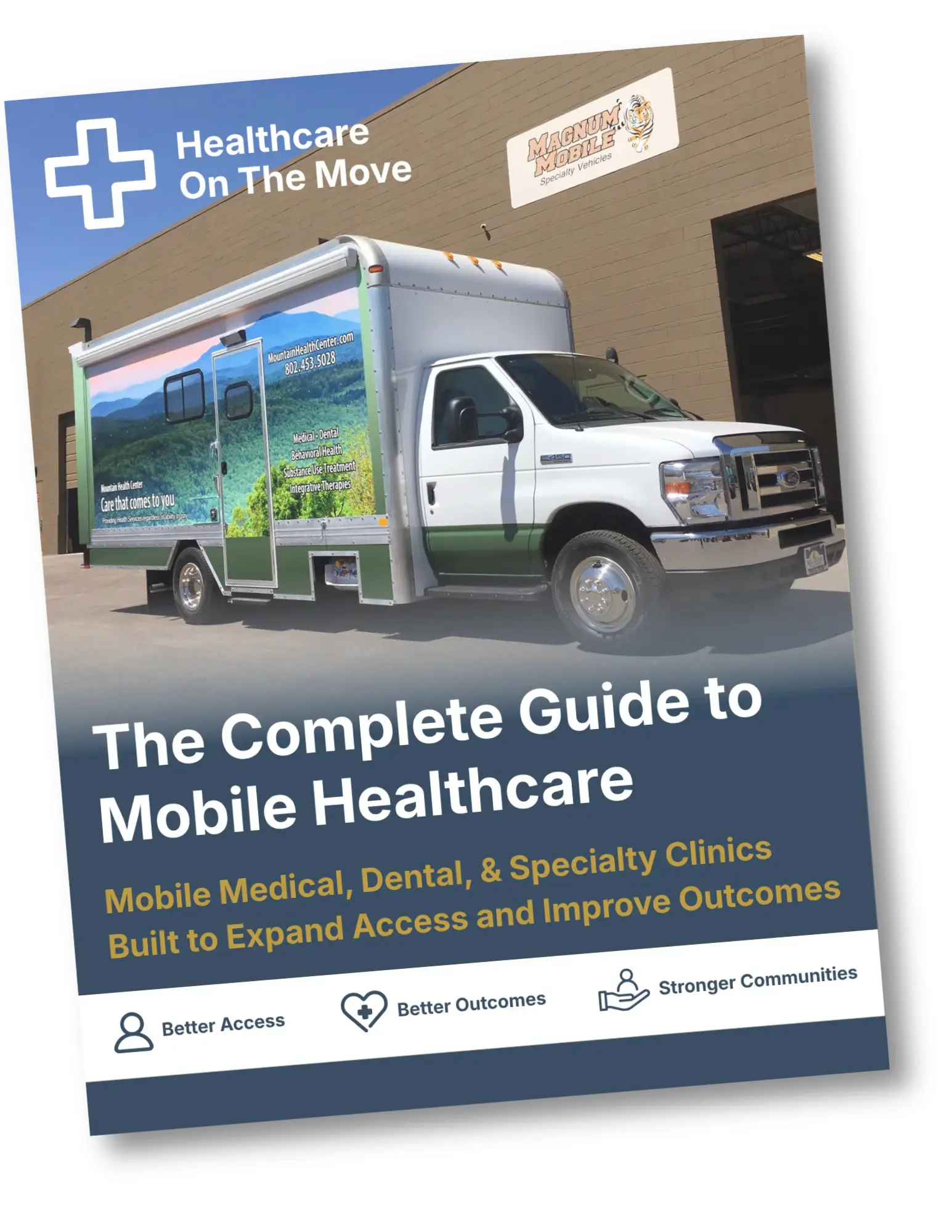
Get the Free Buyer Guide
Request the Mobile Healthcare Buyer Guide through the guide page.
Trusted Nationwide
Trusted by Leading Organizations
Trusted by healthcare providers, animal care programs, public agencies, universities, and nonprofit organizations for mobile specialty vehicles.







Built to Support
Organizations Across Every Sector
Delivering mobile solutions for healthcare, education, government, nonprofit, and commercial applications.
Healthcare
Education
Government
Non-Profit
Public Safety
Corporate
Ready to Get Started
Let’s Build a Solution That Moves Care Forward
Tell us about your operation and our team will help build the right mobile vehicle solution for your needs.