
Equipment Supply and Integration
Customer-Supplied Equipment vs. Builder-Supplied Equipment
Compare the Complete Equipment Supply and Integration Scope
Quick answer
Compare customer-supplied and builder-supplied equipment by the complete scope: purchasing, specifications, delivery, installation, commissioning, training, warranty, and support. Customer supply may suit existing equipment or established purchasing arrangements; builder supply may simplify coordination when offered for the selected item. Confirm compatibility and responsibilities with Magnum before approving the vehicle proposal.
The party that buys a device is not necessarily the party that installs, tests, trains staff on, or supports it. Assign those responsibilities separately so the program understands the full arrangement.
Start with exact equipment models and the intended workflow. The organization’s clinical or veterinary team should identify what it needs, while the builder reviews the proposed vehicle integration.
Magnum Mobile designs configurable specialty vehicles around operational requirements. Discuss which equipment is included in the configured proposal, which items the customer would supply, and how the installation scope is handled.
Define What Equipment Supply Includes
Define the equipment supply scope item by item. A broad label such as customer-supplied or builder-supplied does not explain every task needed to make a device ready for use.
Purchase: Identify the buyer, selected model, accessories, and the supplier documentation available for design.
Integration: Clarify mounting, connections, clearances, supporting systems, and any specialist installation required.
Readiness: Assign delivery, inspection, commissioning, acceptance, training, and support responsibilities.
Compare proposals using the same scope. An equipment purchase price and a price including integration cover different work, so list included tasks and unresolved items before evaluating options.
Review the Customer-Supplied Equipment Option
Customer-supplied equipment may suit a program that already owns suitable devices or uses an established purchasing channel. Review the specific item with the builder before assuming it can be integrated.
Provide its model, condition, dimensions, weight, specifications, and installation documents. For existing equipment, have the responsible team review its suitability and the supplier’s information for the intended use.
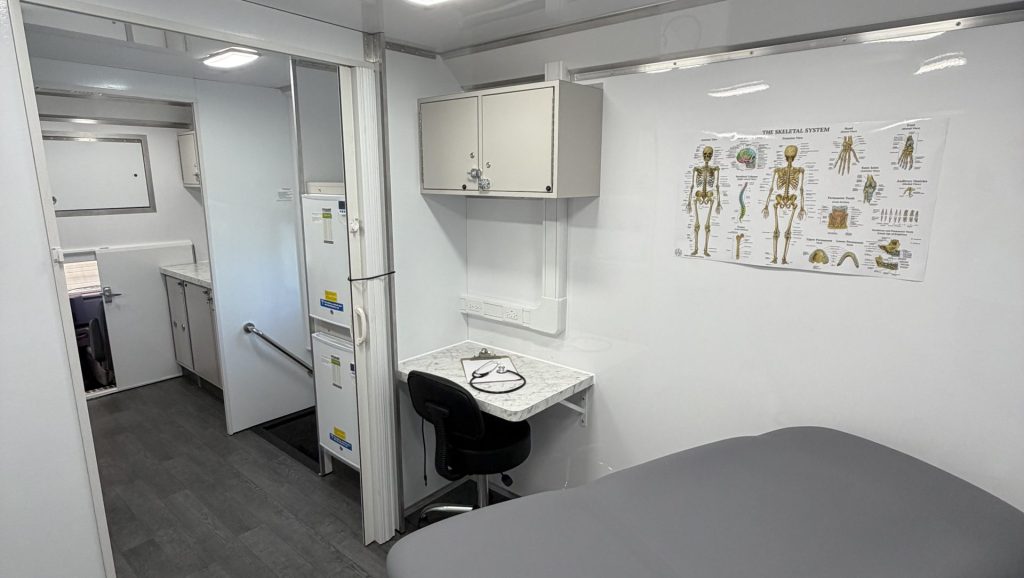
Confirm whether the builder can accommodate the proposed item and what work is included. Assign shipping, delivery readiness, accessories, specialist setup, and any work that remains outside the vehicle proposal.
Review the Builder-Supplied Equipment Option
Builder-supplied equipment may provide a more coordinated purchasing and integration path when the item is available within the proposed scope. Review the actual model and included work before selecting it.
Model and options: Confirm the make, model, accessories, and specifications being quoted.
Integration scope: Ask which mounting, connections, supporting systems, and installation tasks are included.
Availability: Discuss equipment selections and delivery information within the agreed project plan rather than assuming every item can be supplied.
Operating fit: Have the clinical, dental, or veterinary team review whether the proposed equipment supports the intended services and workflow.
Compare Installation and Integration Responsibilities
Compare integration responsibilities regardless of who purchases the equipment. The vehicle design needs consistent technical information and a clear plan for the work.
Layout: Review equipment dimensions, staff positions, working clearance, movement, and service access.
Utilities: Provide the selected equipment’s electrical and any other system requirements, including planned concurrent use.
Installation: Identify the party handling mounting, connections, specialist work, and any supplier involvement.
Changes: Agree how substitutions or additions will be reviewed before ordering or design approval.
Record open requirements and the people responsible for resolving them. A device can be purchased before its integration details are settled, but those details still need review before the vehicle configuration is finalized.
Plan Acceptance, Training, Warranty, and Support
Plan acceptance, training, and support for the selected equipment. These responsibilities are useful to clarify early, especially when several suppliers are involved.
Acceptance: Agree who checks the supplied model, accessories, condition, installation, and applicable readiness requirements.
Training: Identify the operating information and supplier or equipment training the program needs before use.
Warranty and service: Review the relevant documents and contacts for equipment issues, installation questions, and vehicle support.
Ask how the organization should report different issues after delivery. Keep equipment and integration records together so the team can find the correct model information and responsible contact.
Record the Equipment Plan Before Proposal Approval
Prepare a written equipment plan for the configured proposal. It should show exactly who supplies each item and who completes the work required around it.
Equipment schedule: List selected models, accessories, documentation, dimensions, weights, clearances, and utilities.
Responsibilities: Assign purchase, shipping, delivery, installation, commissioning, acceptance, training, and support.
Project coordination: Record open decisions, expected availability, design dependencies, and how changes will be communicated.
Review the plan with Magnum and the relevant suppliers before approval. Confirm the specific inclusions and customer responsibilities in the configured proposal rather than relying on assumptions about either supply option.
Equipment Supply and Integration FAQs
Can we provide equipment we already own?
Discuss the exact item with the builder first. Provide specifications, condition, installation information, and intended use so suitability and integration requirements can be reviewed.
Does customer-supplied equipment always cost less?
Compare the complete scope. Purchase price alone does not include every possible delivery, accessory, installation, commissioning, training, or support task.
Does builder-supplied mean all equipment work is included?
Confirm the proposal’s exact scope. Ask which accessories, integration, specialist setup, readiness checks, training, and support arrangements are included for the selected item.
What should we clarify before approving the vehicle?
Confirm equipment models, specifications, supply responsibility, installation, delivery, commissioning, acceptance, training, warranty contacts, and unresolved design requirements.
Discuss Your Equipment Supply Plan With Magnum
Magnum Mobile helps organizations connect their service and equipment requirements with a configured specialty vehicle. A clear supply and integration plan gives the design conversation a practical foundation and makes responsibilities easier to review.
Explore Magnum’s medical clinics, dental clinics, and veterinary clinics to begin comparing vehicle formats for your program.
Request the Mobile Healthcare Buyer Guide or Mobile Animal Care Buyer Guide for relevant planning considerations.
Ready to discuss equipment supply for your vehicle? Contact Magnum Mobile with your equipment schedule and purchasing plan to review a configured proposal.
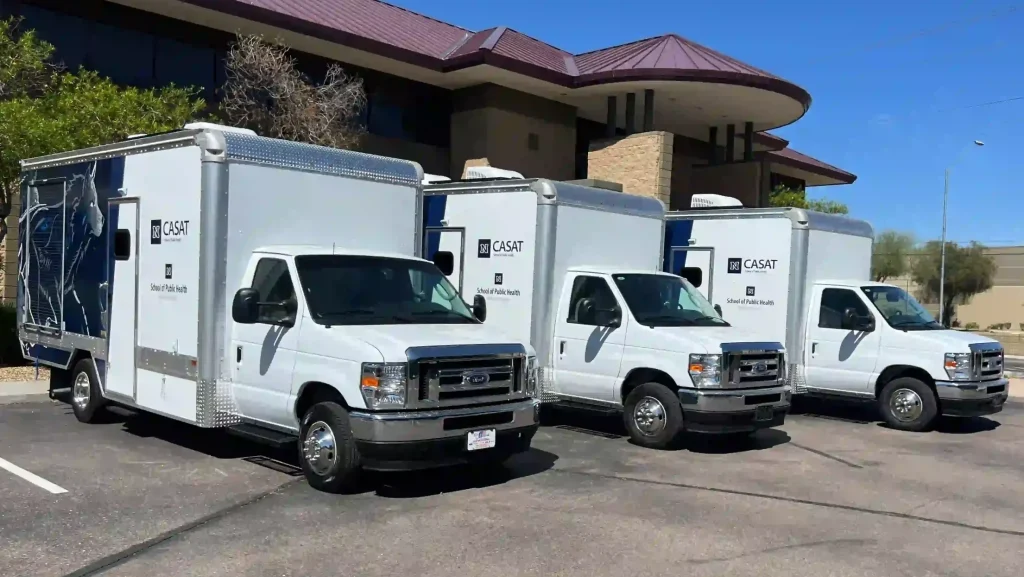
Discuss Your Vehicle
Bring selected equipment models and your proposed supply responsibilities to Magnum.
Review the complete integration and support scope alongside the vehicle layout.
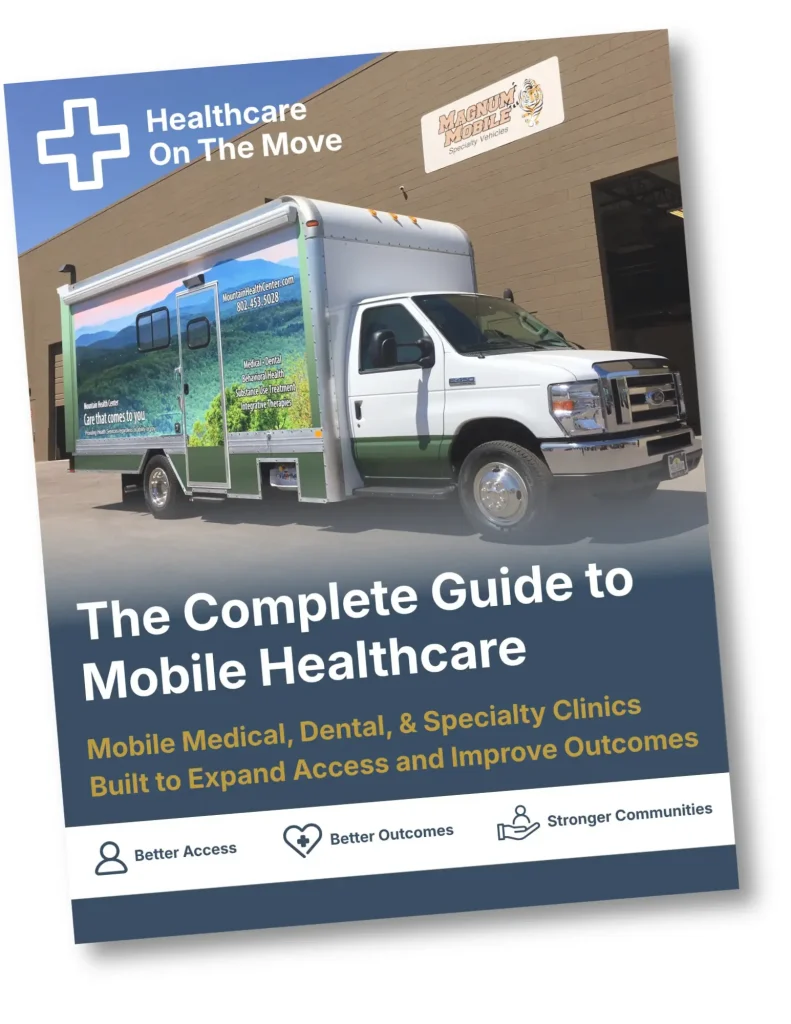
Get the Free Buyer Guide
Get planning considerations for equipment, layouts, services, and vehicle selection.
Trusted Nationwide
Trusted by Leading Healthcare Organizations
Trusted by healthcare providers, public agencies, universities, and nonprofit organizations to deliver high-quality mobile specialty vehicles.






Built to Support
Organizations Across Every Sector
Delivering mobile solutions for healthcare, education, government, nonprofit, and commercial applications.
Healthcare
Education
Government
Non-Profit
Public Safety
Corporate
Ready to Get Started
Let’s Build a Solution That Moves Care Forward
Tell us about your operation and our team will help build the right mobile vehicle solution for your needs.