
Mobile Clinic Budget Planning
How to Budget for Your First Year of Mobile Clinic Operations
Separate launch expenses from recurring costs, plan realistic service days, and check your monthly funding needs.
To budget for the first year of a mobile clinic, separate the vehicle purchase, one-time launch costs, and recurring operating costs. Then connect expenses to a realistic service calendar and map when funding will arrive.
The vehicle quote answers what it costs to acquire a configured unit. It does not establish the cost of staffing, supplying, traveling, maintaining, and administering your program for a year.
There is no single operating budget that fits every mobile medical, dental, or animal care program. Services, staff, routes, equipment, host sites, and funding arrangements determine the numbers your team should use.
This framework helps your clinical, operations, and finance teams build a first-year budget together. It also highlights assumptions to confirm before presenting the program for approval.
Use current vendor quotes, actual compensation estimates, insurer input, and your own operating assumptions. Identify an owner and a source for each estimate so the budget can be updated as decisions are made.
Separate the Vehicle Purchase from Program Launch Costs
Build the budget in three parts
- Capital purchase: vehicle, configured equipment, and agreed installation.
- Other launch costs: initial supplies, training, program setup, and site preparation.
- Operating costs: staff, service-day expenses, upkeep, administration, and reserves.
Start with the written vehicle quote and a complete equipment schedule. Mark any customer-supplied equipment or unfinished decisions that still need separate estimates.
List initial instruments, supplies, uniforms, communications setup, scheduling tools, insurance setup, registration, and host-site preparation where applicable. Confirm which items are already funded or available.
Avoid counting an item twice. If equipment installation or delivery is included in the builder’s quote, reference that line rather than adding another assumed allowance for the same scope.
Use Magnum’s vehicle lineup to identify a starting platform, then request a configured quote. Carry that quote into the launch budget with any unresolved items clearly marked.
Build a Realistic First-Year Service Calendar
Write a month-by-month service calendar before estimating activity-dependent expenses. Define when the program launches, which locations it serves, and how often it visits each host.
Include ramp-up, staff leave, holidays, training, planned maintenance, and expected interruptions in the calendar. Separate a day the vehicle is available from a day the program is staffed and scheduled to provide care.
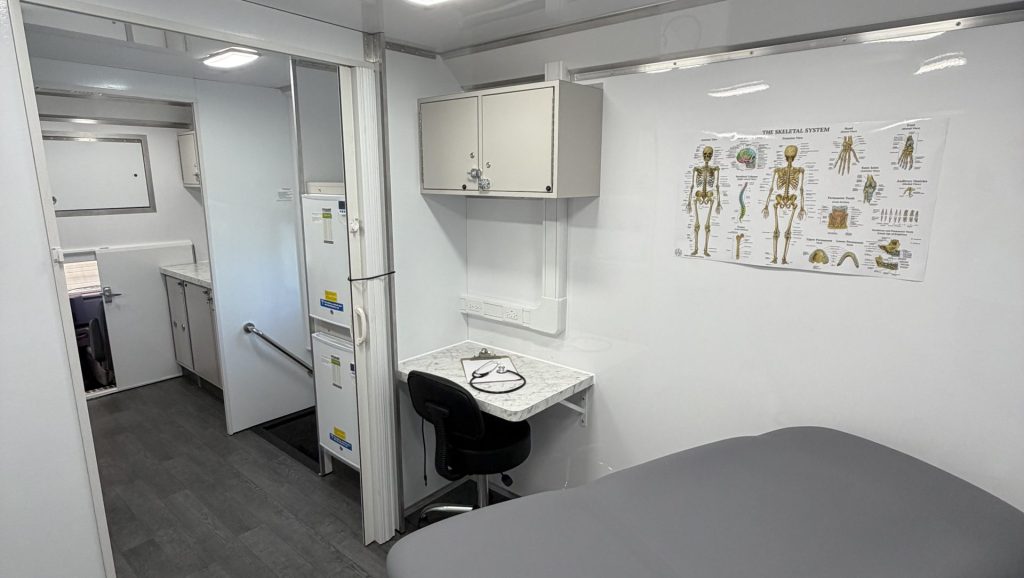
Use realistic completed visits or services when planning supplies. For a new program, create a base case and a lower-activity case, then explain which assumptions need validation after launch.
Budget for the Full Staffing Day
Staffing should reflect the full operating day. Clinical care is only part of the work required to deliver services from a vehicle.
List clinical staff, assistants, drivers, coordinators, schedulers, and administrative support as needed. Identify whether each role is dedicated to the mobile program or shared with another service.
Budget paid time for travel, arrival, setup, care, cleaning, restocking, records, and return travel. Ask the responsible managers to confirm coverage and the compensation assumptions.
Include applicable benefits, employer costs, orientation, and training through your finance or HR team’s estimates. Do not use salary alone when the organization tracks a broader staffing cost.
Check how absences will be covered and which roles are essential to run a service day. An available vehicle cannot replace the staff required for the intended care scope.
Distinguish Fixed Costs from Activity-Dependent Costs
Separate fixed expenses from costs that change with activity. This makes it easier to see what happens when the service schedule grows or shrinks.
Possible fixed expenses include insurance, storage, communications subscriptions, scheduling systems, and ongoing administrative commitments. Confirm each billing schedule rather than assuming every expense is monthly.
Activity-dependent expenses can include clinical supplies, fuel, generator use, utility charges, waste services, and host-site costs. Use the unit that best describes each item: visit, procedure, service day, mile, or month.
For travel, estimate routes and round-trip mileage, including trips to storage, servicing, and resupply locations. A clinical host may not be the only destination in the operating week.
Ask equipment suppliers about consumables, maintenance, calibration, and service costs relevant to your devices. Include the items your clinical team needs for its approved workflow.
Where staff or facilities are shared, document the allocation method. Otherwise the mobile program can appear less expensive simply because part of its cost sits in another department’s budget.
Plan Maintenance, Reserves, and Interruptions
Plan upkeep for the chassis or trailer, the clinic body, and installed equipment separately. Use the relevant service schedules and supplier recommendations to estimate the first year.
Include inspections, routine servicing, cleaning materials, replacement wear items, and any contracted support that applies. Assign responsibility for scheduling service and approving repairs.
Ask how warranty coverage works and which expenses remain the operator’s responsibility. A warranty should not be treated as a budget for all maintenance or all interruptions.
Build a reserve using your organization’s policy and the unresolved risks in the operating plan. Name the situations it is intended to cover rather than inserting an unexplained percentage.
Include an interruption plan: rescheduling, referrals, substitute arrangements, or reduced activity as appropriate. Consider the effect on costs, staff availability, and planned services.
Calculate Costs and Check Funding by Month
Use formulas that match the way costs occur
Annual recurring cost = fixed annual costs + activity-dependent costs + allocated shared costs + planned reserve. Keep capital purchases and other one-time launch costs in separate subtotals.
Activity-dependent cost = planned activity × cost per unit. For example, calculate supply costs from planned visits and cost per visit, while fuel may be estimated from planned mileage and the fleet team’s assumptions.
Operating cost per completed visit = annual recurring cost ÷ completed visits. State what is included in the numerator. A recurring-cost figure and a full ownership-cost figure answer different questions.
Map expenses and expected funding receipts by month. An annual budget can balance while a particular month still has a funding gap. Confirm award conditions, payment schedules, and any revenue assumptions with the responsible team.
Test a lower-activity or delayed-launch scenario. Some supplies may decline with fewer visits, while insurance, staffing commitments, storage, or subscriptions may continue. Identify the decision you would make if that scenario occurred.
Mobile Clinic Operating Budget FAQs
Is the vehicle price the first-year program budget?
No. Separate the configured vehicle purchase from other launch expenses and recurring operating costs. Staffing, travel, supplies, maintenance, administration, and storage can require separate funding.
What should a mobile clinic operating budget include?
Include the staff and support needed for the full service day, clinical supplies, travel, utilities, insurance, storage, communications, administration, vehicle and equipment upkeep, and a defined reserve.
How do we calculate operating cost per visit?
Divide annual recurring costs by completed visits and state which costs are included. Use realistic activity assumptions for planning, then replace projections with actual results as the program operates.
What should we review after launch?
Compare planned and actual service days, completed visits, staffing time, mileage, supply use, maintenance, and funding receipts. Update the budget when operating experience changes the original assumptions.
Review the Budget Before Launch and After Opening
Before approving the launch, review the vehicle quote, equipment schedule, service calendar, staffing plan, monthly expenses, funding schedule, and contingency plan together.
Identify the assumptions that have the greatest effect on the budget. Assign someone to confirm each one and record what would trigger a change in the program plan.
Use Magnum’s Mobile Healthcare Buyer’s Guide or Mobile Animal Care Buyer’s Guide to organize the vehicle side of your planning.
Discuss your vehicle requirements with Magnum. A configured quote helps your team establish the purchase scope while it builds the first-year operating and funding plan.
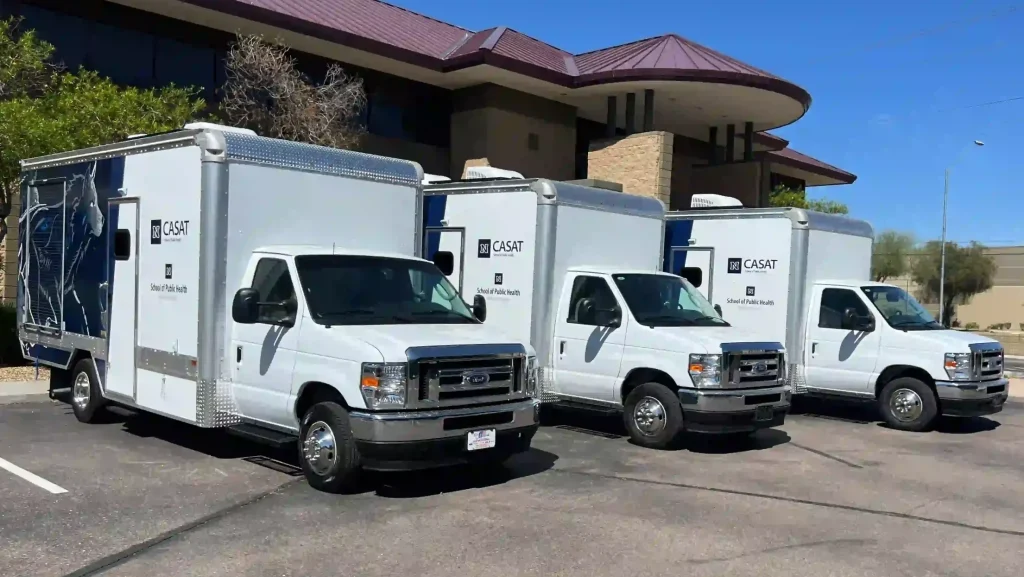
Plan the Vehicle Purchase Scope
Match the vehicle to your services, staffing, routes, and likely host locations before finalizing the purchase budget.
Ask for a configured quote and identify equipment or delivery costs that need separate estimates.
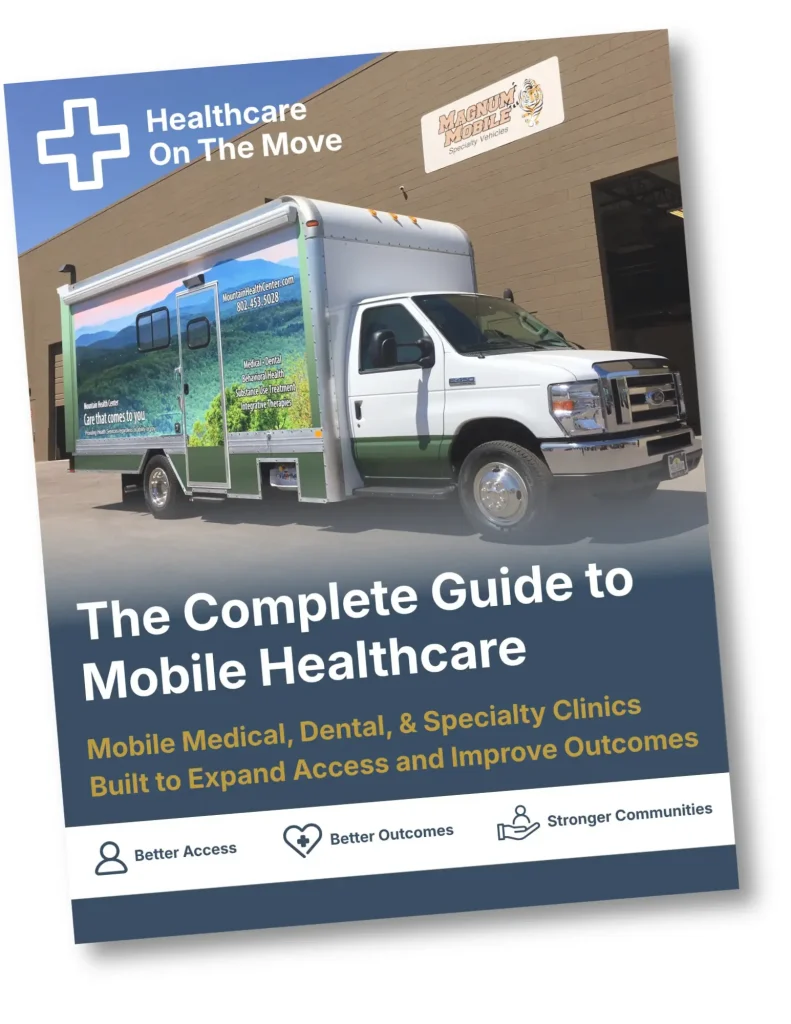
Prepare Your Mobile Program
Use the buyer’s guide to gather your program requirements and prepare for a vehicle planning discussion.
Trusted Nationwide
Trusted by Leading Healthcare Organizations
Trusted by healthcare providers, public agencies, universities, and nonprofit organizations to deliver high-quality mobile specialty vehicles.







Built to Support
Organizations Across Every Sector
Delivering mobile solutions for healthcare, education, government, nonprofit, and commercial applications.
Healthcare
Education
Government
Non-Profit
Public Safety
Corporate
Ready to Get Started
Let’s Build a Solution That Moves Care Forward
Tell us about your operation and our team will help build the right mobile vehicle solution for your needs.