
Mobile Clinic Program Evaluation
How to Measure a Mobile Clinic Program’s Success
Choose Measures That Help Your Program Make Better Decisions
Quick answer
Measure mobile clinic success against the purpose of the program. Track who the clinic reaches, services delivered, patient experience, follow-up, operating reliability, and costs. Define each measure consistently, review it with the responsible team, and use the findings to improve services, sites, staffing, and the vehicle workflow.
A high visit count may be useful, but it does not answer every question about the program. The team also needs to know whether services reach the intended community and whether the operation can sustain the work.
Start with a small set of questions that support real decisions. Choose measures the team can collect reliably rather than building a large dashboard with no clear owner or review process.
Magnum Mobile can discuss vehicle-related findings such as room use, equipment access, setup, storage, and patient movement. Share those observations when planning a configuration or considering the next unit.
Define What Success Means for Your Mobile Program
Write down the purpose of the program and the decisions the evaluation should support. A screening service, recurring primary-care route, and school dental program may need different measures.
Community goal: Describe the people, locations, or access barriers the program intends to address.
Service goal: Specify the services offered and the role of the mobile visit within the organization’s broader care plan.
Operating goal: Identify the schedule, site reliability, staffing, and resources the program needs to maintain its commitments.
Involve program leadership, clinical teams, community partners, and finance staff in selecting useful questions. Each group can help identify what evidence would support its decisions.
Choose Consistent Measures and Data Sources
For every measure, record the definition, data source, reporting period, owner, and intended use. Consistent definitions make comparisons more useful when the program changes or expands.
Distinguish visits from unique people, scheduled appointments from attendance, and a referral made from a completed handoff. Record what the team actually knows instead of treating these counts as interchangeable.
Mobile Health Map’s evaluation resources offer tools and a data collection worksheet for mobile clinics. Review those resources alongside your own goals and internal reporting process to choose an approach that fits the program.
Review Community Reach and Patient Experience
Review who uses the service and what people describe about their experience. Counts can identify patterns, while feedback helps the team understand the barriers behind them.
Reach: Compare the people and locations served with the program’s intended audience. Use the information your organization is authorized to collect.
Participation: Track attendance, missed appointments, cancellations, and the circumstances the team records around them.
Experience: Ask about communication, appointment access, waiting, privacy, comfort, and the ease of using the service.
Continuity: Review whether the responsible team can confirm planned referrals, results communication, or other follow-up. Identify unknowns rather than assuming every next step occurred.
Track Deployment Reliability, Workspace, and Costs
Track the conditions that allow the service to run consistently. Operational measures can reveal why attendance or appointment activity changed even when the service goal stayed the same.
Deployments: Record planned and completed service days, cancellations, host changes, travel time, and setup issues.
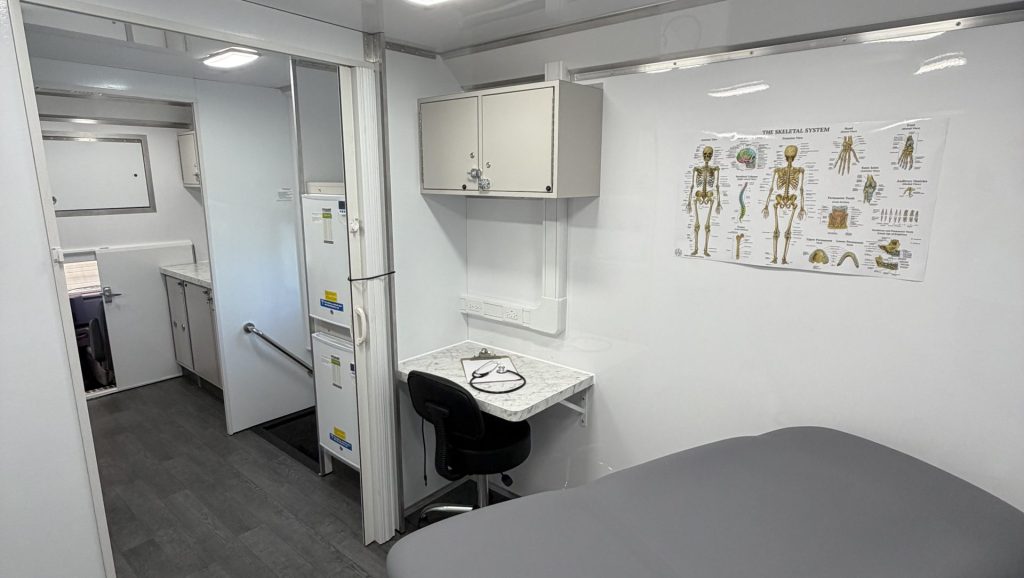
Workspace: Note room use, supply access, staff movement, equipment availability, and any points where the workflow becomes delayed.
Vehicle availability: Track maintenance, downtime, utility interruptions, and other events that affect the schedule.
Costs: Compare operating expenses and staff time with the activity delivered. Use consistent cost categories and explain any shared resources included in the calculation.
Magnum can discuss the vehicle and configuration questions these observations raise. A specific description of the workflow is more useful than a general request for a larger unit.
Interpret Results With Their Operating Context
Review the results in context. Changes in services, staffing, sites, season, available appointments, or recording practices can affect a comparison between periods.
Use a clear denominator: Explain whether a rate uses scheduled appointments, attended visits, service days, or unique people.
Separate activity and outcomes: A count of services delivered describes activity. Clinical outcomes need appropriate measures and review by the responsible clinical team.
Identify missing information: Record incomplete follow-up, uncollected feedback, or changes in the data source that limit interpretation.
Describe associations carefully. A change after deployment does not, on its own, prove the mobile clinic caused it. Use the review to identify questions for further evaluation and practical next steps.
Turn Evaluation Findings Into Practical Improvements
Agree on a review schedule and assign owners for the actions that follow. The value of measurement comes from decisions the team can explain and revisit.
Adjust the operation: Use the findings to review appointments, routes, outreach, staffing, host coordination, or follow-up processes.
Review the vehicle: Bring evidence about equipment, workspace, storage, setup, and utilities to Magnum when discussing a future configuration.
Report with context: Share the goal, measures, period, findings, limitations, and next steps. Have the appropriate teams review information before external reporting.
Check whether the changes help during the next review period. Keep the definitions stable where possible so the team can understand what improved and what still needs attention.
Mobile Clinic Program Evaluation FAQs
Is patient visit count enough to measure mobile clinic success?
No. Visit count describes activity, but success also depends on the program’s goals, who it reaches, patient experience, follow-up, operating reliability, and available resources.
What should a new mobile clinic measure first?
Choose a small set linked to the launch goals. Start with consistently defined service activity, reach, attendance, feedback, deployment reliability, and costs that the team can collect and review.
Can an evaluation tool replace internal program review?
No. Tools can organize information and support analysis, but the responsible teams still need to check definitions, data quality, context, and the decisions made from the results.
How can evaluation inform a future vehicle purchase?
Document room use, equipment access, staff and patient movement, storage, setup, and downtime. Bring those findings into the builder conversation alongside the next vehicle’s intended services.
Plan Your Next Vehicle With Magnum
Magnum Mobile helps organizations connect operational requirements with specialty vehicle design. Evaluation findings can make that conversation more specific when a program plans its first unit, expands services, or adds a vehicle.
Explore Magnum’s vehicle configurations and build process to consider how your workflow findings translate into vehicle requirements.
Request the Mobile Healthcare Buyer Guide for planning considerations covering services, layouts, equipment, and vehicle selection.
Ready to plan a vehicle around what your program has learned? Contact Magnum Mobile with your service goals, workflow observations, and equipment requirements for a consultation.
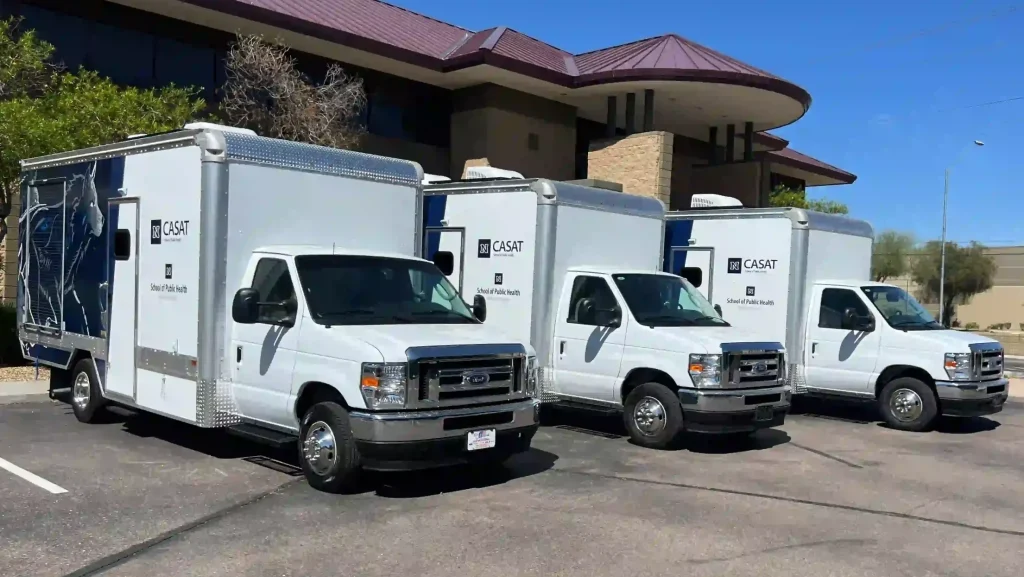
Discuss Your Vehicle
Bring your service goals and workflow findings to a Magnum vehicle consultation.
Discuss a configuration around the spaces, equipment, and deployment conditions your program needs.
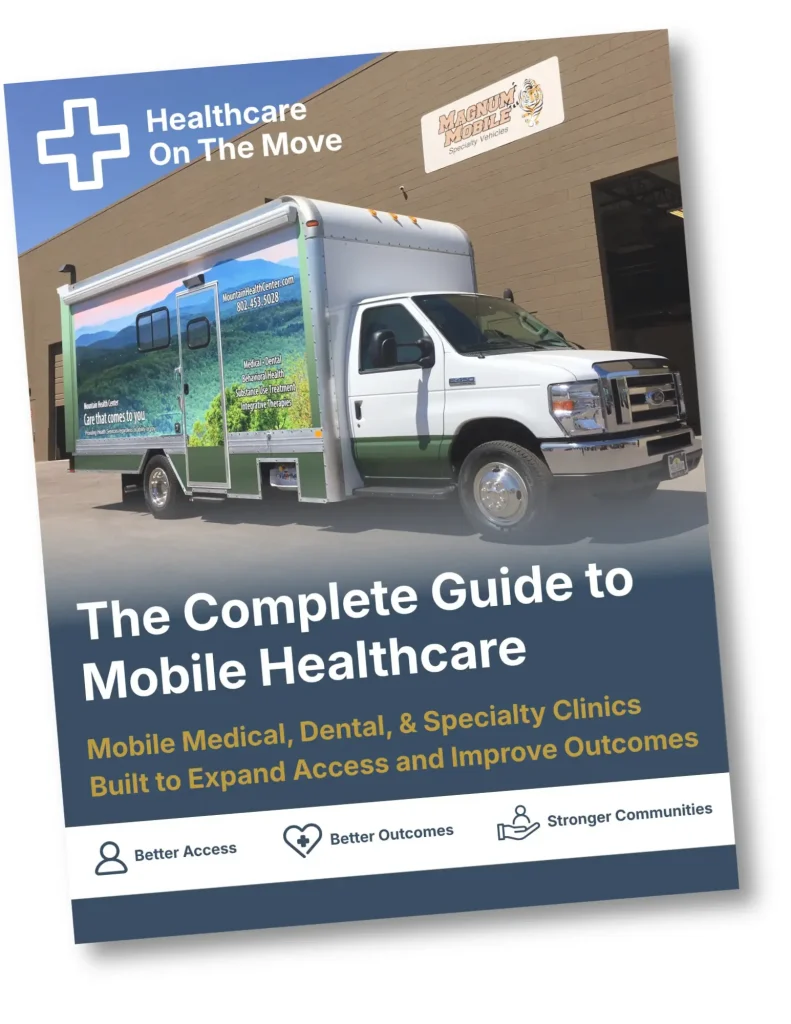
Get the Free Buyer Guide
Get planning considerations for services, layouts, equipment, and vehicle selection.
Trusted Nationwide
Trusted by Leading Healthcare Organizations
Trusted by healthcare providers, public agencies, universities, and nonprofit organizations to deliver high-quality mobile specialty vehicles.







Built to Support
Organizations Across Every Sector
Delivering mobile solutions for healthcare, education, government, nonprofit, and commercial applications.
Healthcare
Education
Government
Non-Profit
Public Safety
Corporate
Ready to Get Started
Let’s Build a Solution That Moves Care Forward
Tell us about your operation and our team will help build the right mobile vehicle solution for your needs.