
Mobile Adoption Programs • Results & Reporting
How to Measure the Results of a Mobile Adoption Program
Measure what happens after the event as well as during it
Quick answer
Measure mobile adoption program results with a small, consistent scorecard covering animals participating, meaningful adopter inquiries, completed adoptions, follow-through after the event, animal-care observations, staff time, and operating costs. Compare events over a defined period and record the context behind the numbers. Use results to improve the route, staffing, host partnerships, and vehicle setup rather than treating attendance alone as success.
A busy adoption event can create visibility without producing the outcomes a shelter needs. A useful evaluation connects the people reached at an event with completed next steps, the experience of the animals, and the resources used to operate the program.
Choose the reporting method before the first deployment. That gives staff a practical way to capture information consistently and gives leaders a fair basis for deciding which events to repeat, change, or discontinue.
Magnum Mobile can discuss configurable layouts, commercial-grade materials, and integrated vehicle systems around your operating plan. Explore our mobile animal care vehicles and request the Mobile Animal Care Buyer Guide through its guide page.
1. Define the decision your scorecard should support
Start with the purpose of the mobile adoption program. One organization may prioritize access to new adopters; another may use events to support particular animals, neighborhoods, or shelter partnerships.
State the goal: Write a specific question such as whether a recurring neighborhood event produces completed adoptions and useful follow-up relative to the staff time it requires.
Choose a reporting period: Review a series of comparable events. A single event affected by weather, a cancellation, or a different animal group can give a misleading impression.
Name an owner: Assign someone to reconcile event records with the shelter’s adoption system. Make clear who checks missing information and who prepares the report.
Keep collection manageable: Use a short event record that staff can actually complete. Add a new measure only when someone will use it to make a decision.
2. Separate activity measures from completed outcomes
Count event activity and adoption outcomes separately. Record the definitions alongside the numbers so different staff members do not count the same interaction differently.
Follow the full path: An event conversation, an application, a scheduled meeting, and a completed adoption are different stages. Link them through the organization’s normal records without counting the same person or animal repeatedly as a new outcome.

| Measure | What it helps explain |
|---|---|
| Events and animals participating | The scope of outreach delivered |
| Meaningful inquiries and applications | Interest that moves beyond casual attendance |
| Completed adoptions linked to events | Documented placement outcomes, including later completion |
| Post-adoption follow-through | What happens after placement under shelter procedures |
3. Connect event records with later follow-through
Some event-related adoptions are completed later at the shelter or through another scheduled appointment. Decide how the team will recognize that connection before reporting results.
Use an event identifier: Include the date and host location in inquiry and application records where the shelter system supports it. Keep the entry format consistent across events.
Define attribution: State how an adoption is linked to an event and what follow-up window the report uses. A documented connection is more useful than assuming every adoption after an event was caused by it.
Track next steps: Record whether staff made the promised follow-up, whether a meeting occurred, and whether an application progressed. Use your existing privacy and records procedures.
Report limits: Distinguish verified outcomes from incomplete records. If the program cannot connect an inquiry to a later adoption, report the gap instead of filling it with an estimate.
4. Include animal care and the resources behind each event
Adoption totals need operating context. Review the animals’ experience and the work required to run the event alongside placement outcomes.
Animal-care observations: Have the responsible team document relevant concerns, early departures, handling challenges, and changes required by the care plan. Use the organization’s established reporting procedures.
Staff time: Include travel, loading, setup, public hours, cleanup, restocking, administration, and follow-up. Event hours alone understate the labor involved.
Operating costs: Track fuel, supplies, event fees, servicing, and other defined program costs consistently. Explain whether vehicle ownership and overhead costs are included.
Simple efficiency measures: Divide the costs included in your report by documented event-linked adoptions to calculate a defined cost per adoption. Report both the numerator and denominator, especially for small programs.
Host support: Record parking, visitor access, promotion, utilities, and staff assistance. Two events with similar attendance can require very different levels of work.
5. Compare events fairly and choose practical improvements
Compare similar events and investigate differences before drawing conclusions. Results are a planning tool, not a reason to maximize the number of animals onboard.
Document context: Include weather, host promotion, event duration, animals attending, staffing, and any cancellation or equipment interruption.
Review the bottleneck: If inquiries are strong but follow-through is weak, examine the next-step process. If staff cannot manage conversations while caring for animals, review roles and event layout.
Test a focused change: Change one meaningful feature, such as appointment follow-up, signage, or staff positioning, then compare results across another defined period.
Close the loop: Share a short summary with staff and partners: what happened, what remains uncertain, what will change, and when the team will review it again.
6. Use program evidence to guide your Magnum vehicle review
Your evaluation can reveal requirements that a vehicle drawing alone cannot. Bring actual event examples to a Magnum Mobile discussion so the configuration review reflects how the program works.
Translate observations: Identify where animal access, staff supervision, visitor conversations, supplies, records, or cleanup created delays or conflicts. Describe the task rather than asking for extra space without an operating reason.
Prioritize changes: Separate issues that need a different vehicle configuration from issues better addressed through staffing, host agreements, scheduling, or follow-up.
Review options: Explore Magnum’s mobile animal-care vehicles and our consultation-to-delivery process. Compare the proposed layout against representative event scenarios.
Discuss your mobile adoption program with Magnum Mobile. Share your event scorecard, staffing plan, animal-care needs, and host-site requirements to start a more informed configuration conversation.
Mobile Adoption Program Results FAQs
What should a mobile adoption program measure?
Track a defined combination of outreach activity, meaningful inquiries, completed adoptions, later follow-through, animal-care observations, staff time, and costs. Choose measures that support the program’s stated goals.
Should we count adoptions completed after an event?
Yes, when the organization can document the connection using a defined attribution method and reporting window. Keep those outcomes separate from applications or inquiries that have not become adoptions.
How do we calculate cost per adoption?
Divide the program costs included in the report by documented event-linked adoptions for the same period. State which costs are included and show the adoption count so readers can interpret the result.
Does higher attendance mean the vehicle is performing better?
Attendance is an activity measure. Review adoption follow-through, animal care, staff workload, costs, and host-site conditions before deciding whether an event or configuration is meeting program goals.
Plan Your Next Adoption Unit With Magnum Mobile
Magnum Mobile can help connect your event experience with configurable animal-care spaces, commercial-grade materials, and integrated vehicle systems. Bring the tasks and constraints behind your results so our team can discuss a vehicle around your program.
Explore Magnum’s mobile animal care vehicles and compare configurations for your program.
Request the free Mobile Animal Care Buyer Guide to prepare your purchase planning questions.

Discuss Your Vehicle
Turn adoption event records into practical decisions about routes, staffing, and vehicle use.
Bring your event workflow and animal-care requirements to a Magnum configuration review.
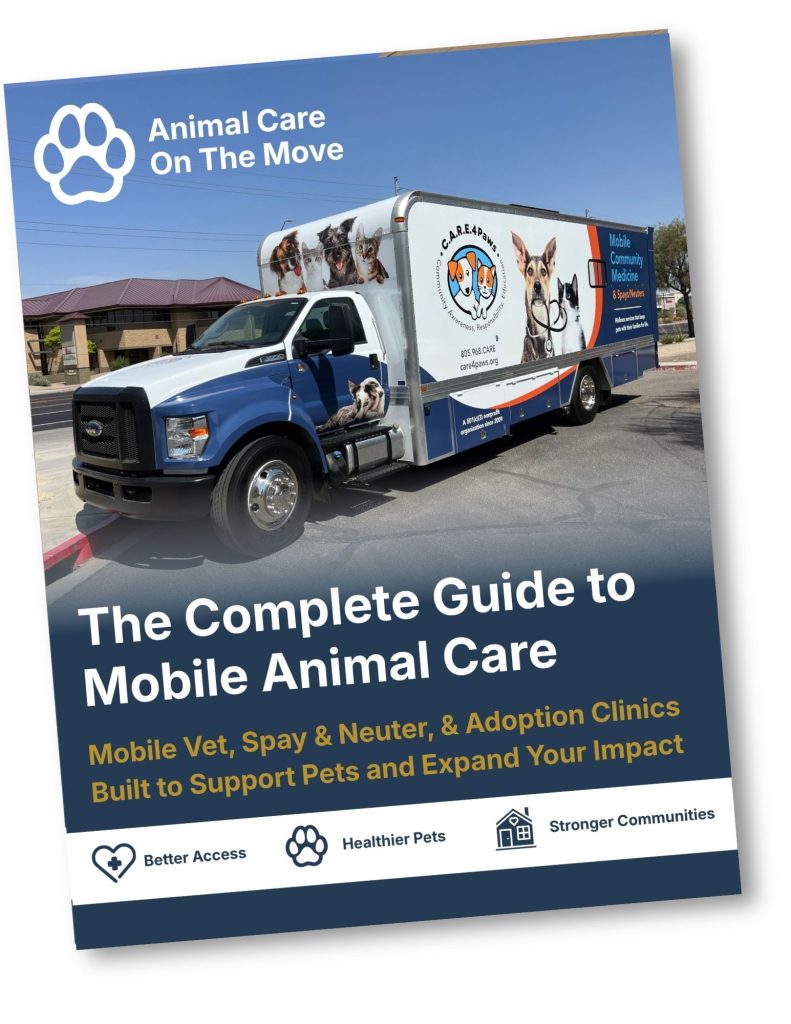
Get the Free Buyer Guide
Request the Mobile Animal Care Buyer Guide through the guide page.
Latest From Our Blog
Trusted Nationwide
Trusted by Leading Organizations
Trusted by healthcare providers, animal care programs, public agencies, universities, and nonprofit organizations for mobile specialty vehicles.







Built to Support
Organizations Across Every Sector
Delivering mobile solutions for healthcare, education, government, nonprofit, and commercial applications.
Healthcare
Education
Government
Non-Profit
Public Safety
Corporate
Ready to Get Started
Let’s Build a Solution That Moves Care Forward
Tell us about your operation and our team will help build the right mobile vehicle solution for your needs.