
Rural Health Transformation • Mobile Clinic Planning
Rural Health Transformation Program: Mobile Clinic Funding
Turn state-led rural health funding into a practical mobile clinic plan.
Can Rural Health Transformation funding support a mobile clinic? Potentially. CMS guidance identifies new mobile clinics as a possible allowable purchase, depending on purpose and funding category. A specific project still needs to fit the state’s approved initiative and funding requirements.
The Rural Health Transformation Program on Medicaid.gov is a state-led investment in rural healthcare access. For organizations considering a mobile unit, the opportunity starts with understanding the state’s plan and how providers can participate.
This article focuses on that CMS program: where to look for state opportunities, what to ask about vehicle costs, and how to prepare a mobile clinic project for review.
A clear vehicle plan gives your grants, clinical, and leadership teams something concrete to evaluate. Magnum Mobile can help translate your proposed services into a clinic layout and configured vehicle scope.
Funding information reviewed November 21, 2026. State opportunities, deadlines, and requirements change. Magnum manufactures mobile vehicles; it does not award RHT funding or determine eligibility.
What Is the Rural Health Transformation Program?
Funding snapshot: reviewed November 21, 2026
- Program size: $50 billion across fiscal years 2026–2030, with $10 billion available each year.
- Direct federal recipients: Only the 50 U.S. states are eligible for an RHT award.
- Latest annual award: On November 9, 2026, CMS announced $10 billion in second-year awards to all 50 states for FY 2027.
Sources: CMS program overview and Year 2 award announcement. State awards are not individual vehicle grants.
CMS describes goals spanning prevention, chronic disease management, sustainable access, workforce development, innovative care, and technology. A proposed mobile clinic should explain the specific rural access need it would address.
States carry out their own approved transformation plans. Provider opportunities therefore depend on the initiative and process established in the state where your program would operate.
For a hospital, health center, nonprofit, or public agency, the practical question is whether its proposed role and services match a current state opportunity.
Start with the official State Data Maps and State Snapshots, then follow your state’s administering agency for application or procurement details.
Can RHT Funding Pay for a New Mobile Clinic?
The CMS capital expenditures fact sheet specifically distinguishes purchasing new equipment, vehicles, and mobile clinics from repairing or modifying existing assets. New equipment may be allowable under Category G or another category, depending on its purpose.
That guidance does not make every mobile clinic purchase eligible. It also does not classify every new unit as a Category J expense: the fact sheet treats retrofits and modifications to existing mobile clinics differently from new purchases.
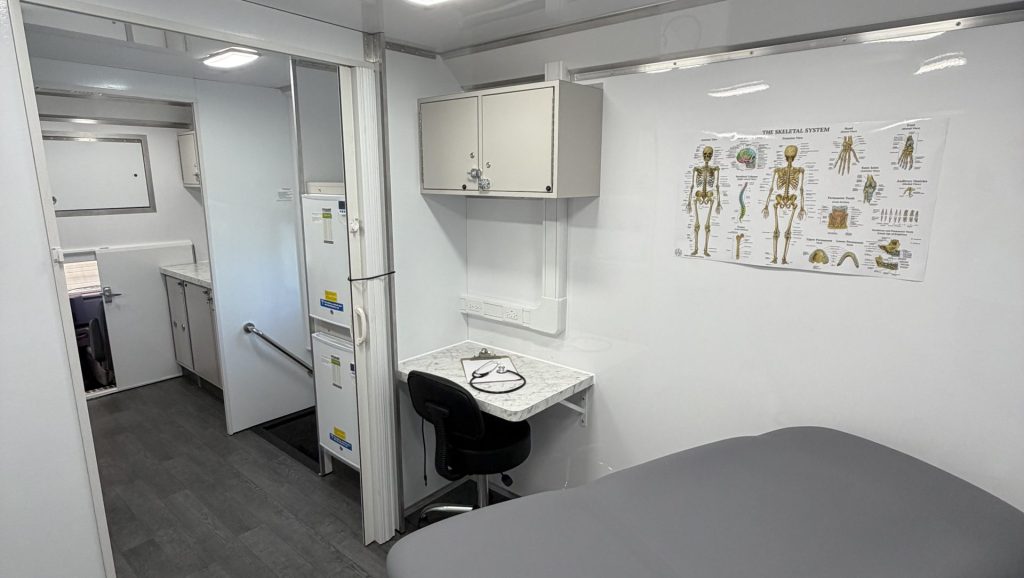
Ask the state program contact to confirm the proposed vehicle, equipment, funding category, purchasing process, and required approvals before committing funds. Keep that answer with the project budget and vehicle scope.
How to Find Your State’s RHT Opportunities
Use the Medicaid.gov rural health program page as your starting point, rather than assuming a general grants listing describes your state’s current process.
1. Identify the state lead. Find the agency administering the RHT initiative relevant to your services. Look for its official program page, contacts, funding notices, and purchasing announcements.
2. Check how organizations participate. Determine whether the opportunity is a provider application, partnership, subaward, or procurement. Confirm who can apply and which rural communities the project must benefit.
3. Confirm the current requirements. Record the deadline, eligible expenses, project period, selection process, reporting expectations, and any conditions that affect a vehicle purchase.
4. Verify approval and timing. CMS’s post-award FAQs explain that state commitments and project activities depend on approved, unrestricted budget categories. Ask your state contact what this means for your proposed purchase and schedule.
Build a Mobile Clinic Proposal Around Rural Access
Start the proposal with the rural access problem. Describe the people and communities you intend to serve, the services currently difficult to obtain, and why a mobile approach fits those locations.
Define the operating organization and its clinical, host-site, and referral partners. Clearly identify which partnerships are confirmed and which are still proposed.
Map the patient journey from scheduling and arrival through the visit, documentation, referrals, and follow-up. Explain how the vehicle connects with your existing healthcare services.
Build a realistic service calendar around staffing, travel, setup, and patient appointments. Use your own operating assumptions rather than promising patient volumes the team has not validated.
Choose measures your organization can track, such as completed visits, communities reached, referral completion, or follow-up attendance. Match the final measures to the state initiative.
Have your clinical, finance, grants, operations, and purchasing teams review the proposal together. The requested vehicle and equipment should match the care model described in the application.
Choose a Vehicle That Fits the Funded Program
Compare platforms around the program you intend to operate. A compact van, larger drivable clinic, or trailer creates different choices for clinical space, storage, patient entry, staffing, and host-site setup.
Bring Magnum your proposed services, staffing plan, equipment requirements, and representative locations. Use those details to discuss a layout that supports your team’s work.
Review patient privacy, accessibility needs, power, climate control, connectivity, and equipment placement. Confirm the included features and selected options for the specific configuration.
Describe where the unit will park, how people will enter, and how utilities will be supplied. Check travel routes, storage arrangements, and maintenance access alongside the clinical layout.
Explore Magnum’s mobile medical clinics and consultation-to-delivery process to turn the proposed program into a vehicle discussion.
Prepare the Vehicle Scope and Sustainable Budget
Separate the purchase from the ongoing program
- Vehicle and equipment: chassis, upfit, selected equipment, utilities, accessibility features, and delivery scope.
- Launch preparation: training, supplies, connectivity setup, and other readiness needs.
- Ongoing operations: staff, fuel, maintenance, insurance, consumables, and equipment service.
Check which of those costs the particular state opportunity permits. Identify who will support recurring expenses after initial funding ends.
Request a configured Magnum quote with inclusions, options, exclusions, and delivery assumptions clearly identified. Use it as supporting purchasing information, not as evidence of grant approval.
Keep the vehicle scope, equipment list, budget, and proposed schedule aligned as the project develops. Have the responsible state and organizational teams resolve funding or purchasing questions before an order is placed.
Mobile care is already part of some RHT initiatives. CMS’s October 2026 New Hampshire announcement described more than $11 million supporting rural EMS and Mobile Integrated Health. It illustrates the program’s interest in bringing care into communities; it is not a nationwide vehicle-purchase grant or a promise that a new application is open.
Rural Health Transformation and Mobile Clinic FAQs
Can a hospital or nonprofit apply directly to CMS for an RHT award?
Only states are eligible for the direct federal award. Healthcare organizations should check their state’s current initiatives and participation process.
Can Rural Health Transformation funding buy a mobile clinic?
Potentially. CMS identifies new mobile clinics as purchases that may be allowable depending on purpose and category. Confirm the specific project and costs through the state program.
Does a state award mean funding is open to our organization?
No. An announced state award does not establish that your organization is eligible or that a particular vehicle opportunity is open. Check the current state notice and program contact.
How can Magnum help with an RHT-related project?
Magnum can discuss vehicle formats, layouts, equipment integration, and a configured quote. Your organization and the funding authority handle applications, eligibility, approvals, and procurement.
Plan Your Rural Mobile Clinic With Magnum
Turn a rural healthcare idea into a vehicle plan your team can review. Magnum Mobile Specialty Vehicles works with healthcare organizations to discuss mobile clinics around their services, staff, equipment, and intended operating locations.
Bring your target communities, proposed services, funding stage, equipment needs, and timeline. Tell us what vehicle information your grants or purchasing team needs for its review.
Explore Magnum’s healthcare vehicles or request the free Mobile Healthcare Buyer Guide through its guide page to organize your planning questions.
Discuss your rural mobile clinic project with Magnum. Ask for a layout and configured vehicle scope that your organization can evaluate alongside its state’s Rural Health Transformation opportunity.
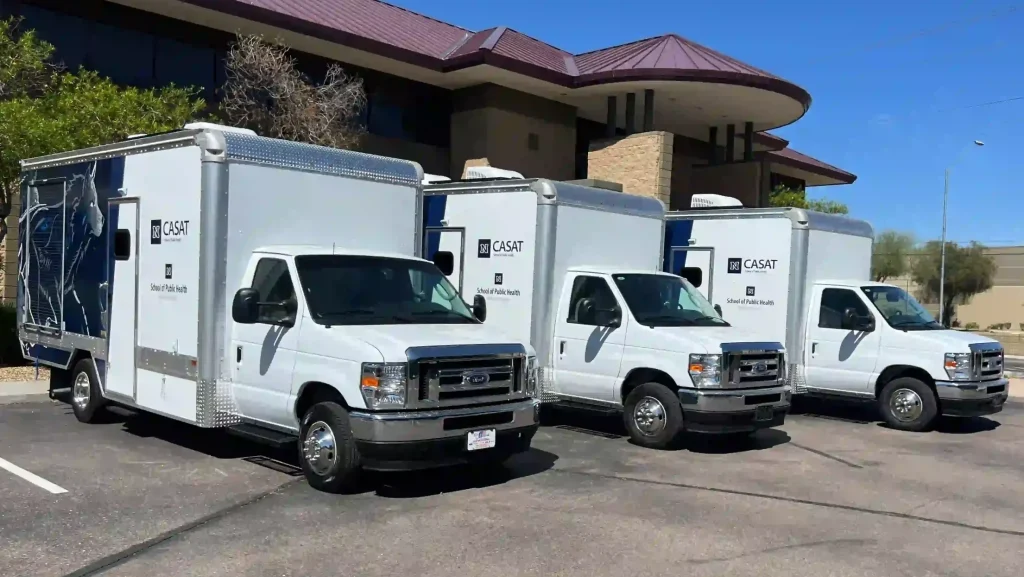
Plan Your Rural Healthcare Vehicle
Define the vehicle, equipment, utilities, and access features your healthcare program needs.
Use a configured quote to support the vehicle portion of your program budget.
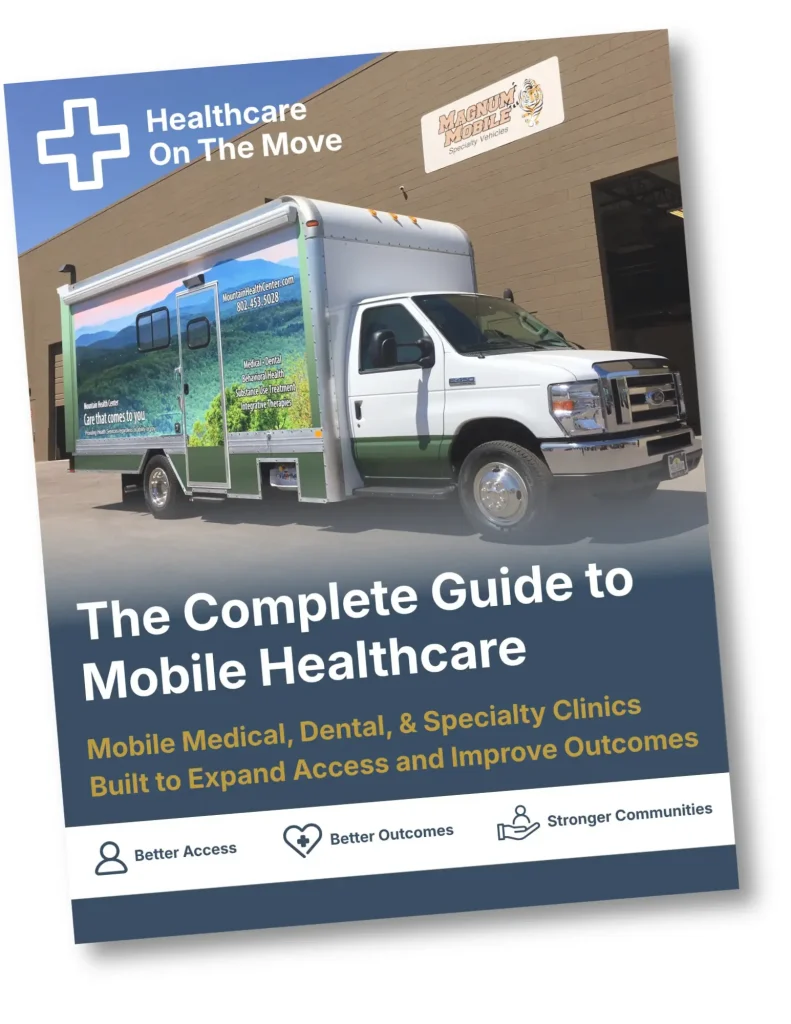
Prepare Your Healthcare Program
Organize your services, staffing, host sites, and purchasing questions with the buyer’s guide.
Latest From Our Blog
Trusted Nationwide
Trusted by Leading Healthcare Organizations
Trusted by healthcare providers, public agencies, universities, and nonprofit organizations to deliver high-quality mobile specialty vehicles.






Built to Support
Organizations Across Every Sector
Delivering mobile solutions for healthcare, education, government, nonprofit, and commercial applications.
Healthcare
Education
Government
Non-Profit
Public Safety
Corporate
Ready to Get Started
Let’s Build a Solution That Moves Care Forward
Tell us about your operation and our team will help build the right mobile vehicle solution for your needs.