
Mobile Adoption Unit Planning • Features & Layout
What Features Should a Mobile Adoption Unit Include?
Choose features that support the animals, staff, and visitors at your events
Quick answer
Evaluate mobile adoption unit features around your animal-care and event workflow: suitable holding spaces, staff access and supervision, a defined viewing or introduction arrangement, climate and ventilation, power, cleaning, storage, records, and a workable host-site footprint. Confirm the actual equipment and configuration in the proposal. The right feature list depends on the animals, staffing, event duration, and services your organization plans to support.
An adoption unit is both an animal-care workspace and part of a public event. The design needs to account for the animals staying with the team, the staff responsible for them, and the people who come to learn about adoption.
Begin with a representative event rather than a catalog of accessories. Decide how visitors arrive, view animals, ask questions, meet an animal when appropriate, complete next steps, and leave while staff continue caring for the animals onboard.
Magnum Mobile can discuss configurable layouts, commercial-grade materials, and integrated vehicle systems around your operating plan. Explore our mobile animal care vehicles and request the Mobile Animal Care Buyer Guide through its guide page.
1. Start with an event and animal-care brief
Write down how your adoption events will operate. Include the animals, staff, visitors, schedule, locations, and partner support the vehicle must accommodate.
Animals: Specify species, expected sizes, handling needs, and the care team’s requirements for holding, separation, oversight, and time at the event.
Public interaction: Explain whether people view animals from outside, enter the unit, or use a confirmed host space. Define where supervised introductions and staff conversations happen.
Event pattern: Include travel, setup, event hours, breaks, cleaning, return, restocking, and storage. Identify who completes each task and what the host supplies.
Feature priorities: Separate requirements needed for launch from preferences or future uses. Give each proposed feature an operating purpose that the team can explain during design review.
2. Review holding, viewing, and introduction arrangements
Evaluate holding and viewing together. A layout needs to support the care team’s access while fitting the organization’s plan for public interaction.
Actual layout: Review enclosure sizes, door movements, viewing arrangements, aisles, and handling equipment on the proposed drawing. Have the animal-care and veterinary team confirm suitability for the intended animals and event procedures.
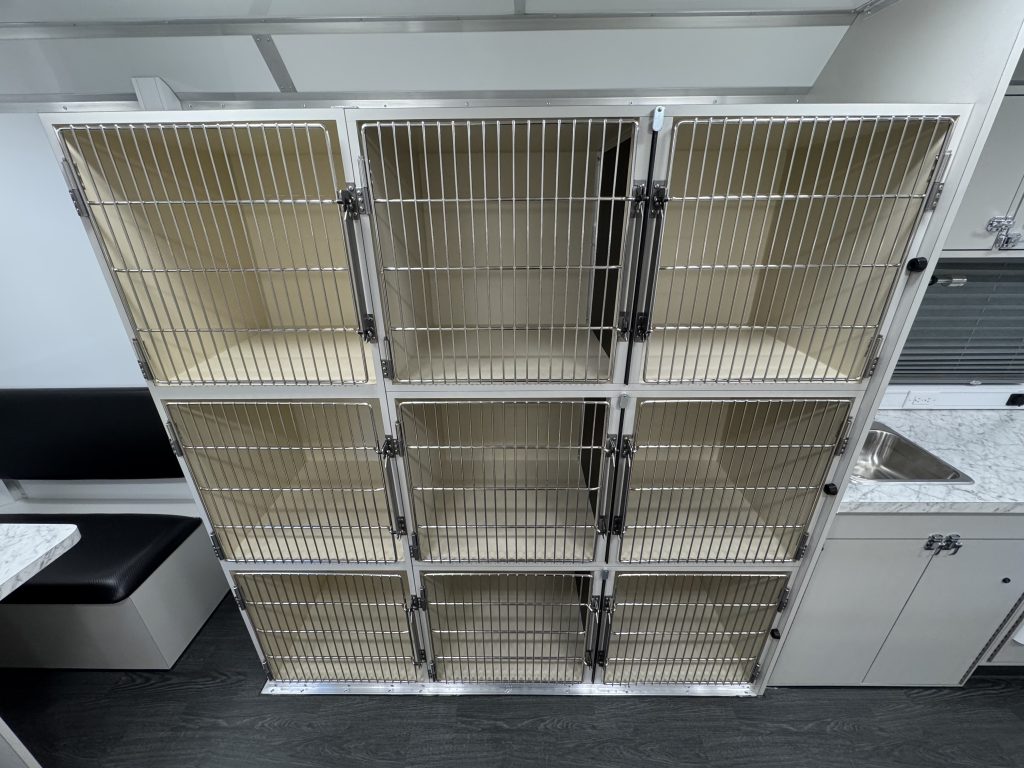
| Feature area | Question to resolve |
|---|---|
| Holding spaces | Do the dimensions and arrangement fit the planned animals and care requirements? |
| Viewing access | How can visitors see animals while staff maintain the required oversight? |
| Introductions | Where do supervised meetings occur, and who controls movement? |
| Staff access | Can staff reach every occupied space without blocking another task? |
3. Match environmental systems to the full event day
Animal-care spaces depend on the systems supporting them. Describe the complete operating conditions to the builder and review the proposed equipment with the responsible care team.
Climate and ventilation: Provide expected weather, event duration, occupied spaces, and animal-care requirements. Discuss system operation while traveling, parked, and changing locations.
Power: Identify systems that must remain available and the proposed supply arrangement. Review host connections, onboard equipment, startup needs, and operating responses to interruptions.
Monitoring and access: Define how staff check animals and relevant environmental conditions under the program’s procedures. Identify any equipment, sightlines, or workspace the plan requires.
Verification: Ask what the proposed configuration includes and which specifications still need review. A general statement that a vehicle has air conditioning does not establish fit for every climate, event duration, or animal-care plan.
4. Plan cleaning, supplies, and staff work areas
Walk through the less visible tasks that keep an event operating. Equipment and storage decisions should make those tasks practical within the available space.
Cleaning: Have the care team define turnover and sanitation procedures. Review surface access, cleaning equipment, water needs where applicable, and the handling of used items and waste.
Supplies: List the animal-care, handling, event, and administrative supplies the team carries. Decide what must be accessible during an event and what stays stored between deployments.
Records: Define where staff handle animal information, inquiries, applications, or adoption documentation under organizational procedures. Include devices, connectivity, power, privacy, and backup arrangements.
Client conversations: Give staff a workable place to explain next steps without obstructing animal access or other visitors. Confirm any host-provided meeting space rather than assuming it will be available.
Equipment integration: Provide dimensions, weights, mounting needs, utilities, and service access for installed equipment. Identify the builder’s and organization’s supply and installation responsibilities.
5. Evaluate exterior setup, visibility, and deployment
The area outside the vehicle is part of the event layout. Test doors, viewing arrangements, access equipment, visitors, staff, and animal movement against a representative host site.
Operating footprint: Obtain measurements and photos for parking, turning, doors, deployed equipment, queues, and animal-handling routes. Review both arrival and departure.
Visitor information: Plan clear event identification, service information, and directions for asking questions or meeting animals. Discuss branding and signage scope with the builder without assuming graphics are included in every proposal.
Weather and host support: Decide how the program handles heat, cold, rain, unavailable utilities, or a change in host space. Identify what equipment and staff support the alternative plan.
Daily readiness: Include driving preparation, setup checks, equipment operation, cleanup, shutdown, storage, and upkeep. Confirm the team can support the selected features consistently.
6. Turn the feature list into a Magnum configuration review
Magnum Mobile can discuss adoption-unit configurations around your animal-care and event plan. Bring the prioritized requirements so the discussion connects each space and system to its intended use.
Bring: Animal sizes, holding and viewing needs, introduction procedures, staff roles, public flow, records, supplies, event duration, site measurements, utilities, budget, and timing.
Compare: Use the same checklist for each proposed layout. Mark which requirements are included, optional, organization-supplied, dependent on a host, or still unresolved.
Confirm: Review Magnum’s mobile animal-care vehicle options and our consultation-to-delivery process. Confirm the exact configuration and equipment scope in writing.
Discuss your mobile adoption unit features with Magnum Mobile and compare a configuration around the events your organization intends to operate.
Mobile Adoption Unit Features FAQs
What are the most important mobile adoption unit features?
Start with animal holding and care, staff access, public viewing or introductions, environmental systems, power, cleaning, supplies, records, and host-site fit. Priorities depend on the planned animals, event workflow, staff, and duration.
Should visitors enter the adoption vehicle?
Choose the visitor arrangement around the actual layout and the organization’s animal-care and event procedures. Compare onboard access, exterior viewing, and confirmed host spaces with the responsible team.
Does a higher kennel count make an adoption unit better?
Not automatically. Review usable enclosure sizes, animal needs, staff access and supervision, public interaction, systems, and the full event schedule alongside the number of positions.
How can we compare adoption unit proposals?
Use one service and feature checklist for every proposal. Identify the actual configuration, equipment, integration, operating assumptions, included and optional items, and any resources the organization or host must provide.
Plan an Adoption Unit Around Your Events With Magnum
Magnum Mobile brings configurable animal-care spaces, commercial-grade materials, and integrated vehicle systems to your adoption-unit planning. Share the event workflow behind your feature list so our team can discuss a configuration around your animals, staff, and sites.
Explore Magnum’s mobile animal care vehicles and compare configurations for your program.
Request the free Mobile Animal Care Buyer Guide to prepare your purchase planning questions.

Discuss Your Vehicle
Choose adoption-unit features around animal care and a practical public-event workflow.
Bring your holding, viewing, staff-access, equipment, and host-site requirements to Magnum.
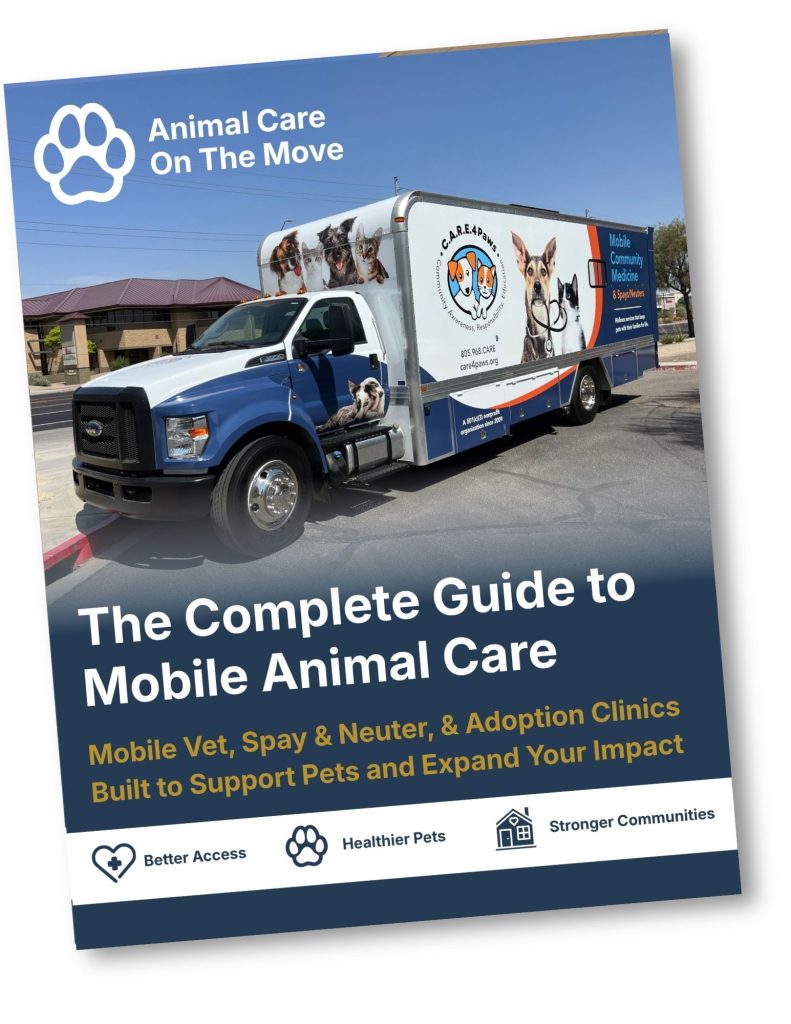
Get the Free Buyer Guide
Request the Mobile Animal Care Buyer Guide through the guide page.
Latest From Our Blog
Trusted Nationwide
Trusted by Leading Organizations
Trusted by healthcare providers, animal care programs, public agencies, universities, and nonprofit organizations for mobile specialty vehicles.







Built to Support
Organizations Across Every Sector
Delivering mobile solutions for healthcare, education, government, nonprofit, and commercial applications.
Healthcare
Education
Government
Non-Profit
Public Safety
Corporate
Ready to Get Started
Let’s Build a Solution That Moves Care Forward
Tell us about your operation and our team will help build the right mobile vehicle solution for your needs.