
Mobile Clinic Business Case
How to Build a Business Case for a Mobile Clinic
Connect a documented need, service model, costs, expected value, and a specific leadership decision.
Build a business case for a mobile clinic by linking a documented need to a defined service model, a realistic acquisition and operating plan, and a clear decision request. Show leaders what the program would do, why mobility helps, what resources it requires, and how you will evaluate results.
A useful proposal makes the project concrete. It describes the community, services, staff, locations, vehicle requirements, costs, and partners well enough for reviewers to understand what they are considering.
Magnum’s healthcare buyer guide connects mobility with access, resource use, capacity, and program growth. Use those themes as questions to investigate for your organization rather than promises that every project will deliver the same result.
The outline below helps you organize the case before developing the detailed budget and vehicle specification. Involve clinical, finance, operations, and community-facing teams so the proposal reflects the work they will carry out.
Make assumptions visible and the next decision specific. Leaders should be able to distinguish evidence you have gathered from estimates you still need to test.
A Six-Part Mobile Clinic Business-Case Outline
Mobile clinic business-case outline
- The access need and intended community
- The service and operating model
- The vehicle scope and alternatives
- Acquisition, operation, and funding
- Expected value, measures, and assumptions
- The decision requested and next steps
A concise opening: describe the problem, proposed program, resources requested, and the decision you need from leadership. Keep supporting details in the sections that follow.
Use one consistent set of operating assumptions throughout the proposal. The service calendar, staffing, vehicle layout, equipment, and budget should describe the same program.
Identify the owner of each estimate and requirement. Reviewers need to know where the information came from and which items still require confirmation.
A Magnum consultation can help develop the vehicle scope and questions for a configured quote as the program plan takes shape.
Document the Need and Consider the Alternatives
Explain who needs the service and what prevents access today. Use local information your team can support, such as community feedback, referral patterns, existing service availability, or partner observations.
Show why the proposed locations and calendar would help address that need. Explain how the program connects with existing care and the work your organization already provides.
Describe the alternatives considered, including approaches available through existing sites or partners. Explain why the mobile model deserves investment for the particular need you have identified.
Define the Service Model and Vehicle Scope
Describe what the program will actually do. Define services, patient groups, staff roles, site partners, expected service days, and the activities before and after visits.
Include scheduling, intake, records, referrals, follow-up, supplies, driving, setup, and maintenance responsibilities. A vehicle purchase does not assign those operating tasks.
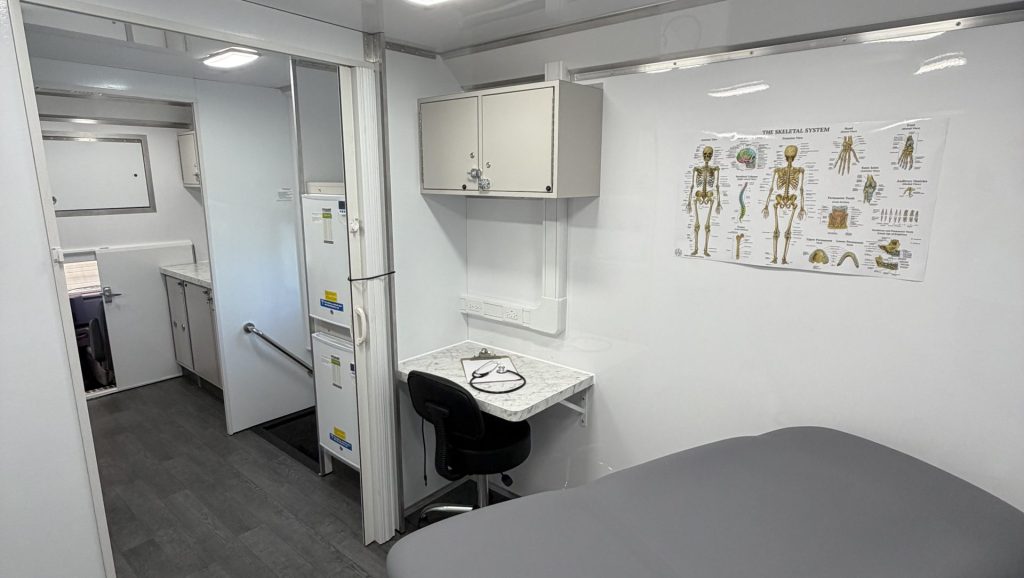
Translate the model into vehicle requirements: working areas, patient flow, equipment integration, storage, utilities, privacy, and access. Those requirements help reviewers understand the proposed configuration.
Explore Magnum’s clinic options as a starting point, then obtain a proposal matched to the services and operating needs in the case.
Compare actual layouts and scopes. A larger vehicle, a second exam space, or additional equipment should have a clear connection to the program’s work and resources.
Separate Acquisition, Operation, and Funding
Separate acquisition from ongoing operation. The first part covers getting the vehicle and agreed equipment ready; the second covers keeping the service available.
Document the configured vehicle quote, selected options, equipment outside the builder’s scope, delivery arrangements, and other project costs your organization identifies.
Build the operating estimate from the proposed staffing, calendar, travel, supplies, equipment servicing, insurance, utilities, and maintenance. Record the sources and assumptions behind each estimate.
Show which resources are committed, which are being sought, and what conditions apply. Vehicle funding and recurring program support may come from different sources and follow different schedules.
Review the time period with finance and leadership. Include how operating needs will be covered as initial funding periods end or the service schedule changes.
Where an estimate is uncertain, show a range or scenario your team can justify. Avoid presenting one unsupported number as the guaranteed cost of the future program.
Explain Expected Value and How to Measure It
Define value in terms your organization can assess. The case may include access, outreach, service capacity, patient experience, strategic priorities, and budget implications.
Mobile Health Map’s report on organizational business objectives describes a framework informed by interviews with 25 healthcare leaders. It considers budget, business strategy, organizational culture, and health equity; it is not a guaranteed return for an individual clinic.
Choose measures that fit your proposed services and information systems. Examples include service days, visits, community access feedback, completed follow-up steps, and operating workload.
Identify a baseline or comparison where your team has one. Explain how results will be collected, who will review them, and when leadership will receive an update.
Keep projected financial effects separate from broader mission value. If the proposal estimates revenue or savings, finance should review the assumptions, timing, and evidence supporting the calculation.
Review Assumptions and Request a Clear Decision
Show what could change the plan and how you will respond. Consider changes in demand, staffing, funding, host availability, equipment requirements, or the launch schedule.
Assign an owner and next step for each important uncertainty. Some questions can be answered through partner confirmation, a configured quote, or a pilot using resources available to your team.
End with the specific approval being requested. That might be permission to develop the detailed plan, fund a pilot, obtain a configured proposal, or approve acquisition within an agreed scope.
List the conditions that must be met before the next commitment, along with who will confirm them. This makes the path forward clear and reviewable.
Use Magnum’s build process to connect the vehicle-planning stages to your organization’s decisions. Consultation, design, manufacturing, and delivery should align with the operating team’s preparation.
Mobile Clinic Business-Case FAQs
What is the most important part of a mobile clinic business case?
A clear link between the documented need, proposed service model, resources required, and decision requested. The vehicle configuration and budget should support that same model.
Should the proposal include only the purchase price?
No. Show acquisition costs and ongoing program costs separately, then explain how both will be supported. Identify the scope and assumptions behind the estimates.
Can published mobile clinic research prove our program’s return?
Research can provide context and useful questions, but your organization’s result depends on its services, demand, staffing, costs, and operating model. Use local evidence and have finance review any projected financial effects.
How can Magnum support the business-case process?
Magnum can discuss vehicle configurations, layouts, installed systems, and equipment requirements to help develop a configured proposal. Your organization prepares and reviews its program and financial case.
Develop Your Vehicle Proposal with Magnum
Make the vehicle part of your proposal concrete. Magnum’s configurable mobile clinics and consultation-through-delivery approach help your team turn program requirements into a scope leaders can review.
Explore Magnum’s mobile medical clinics and discuss the layouts and installed systems that support your proposed services.
Use the mobile healthcare buyer guide to organize the vehicle-planning questions in your case.
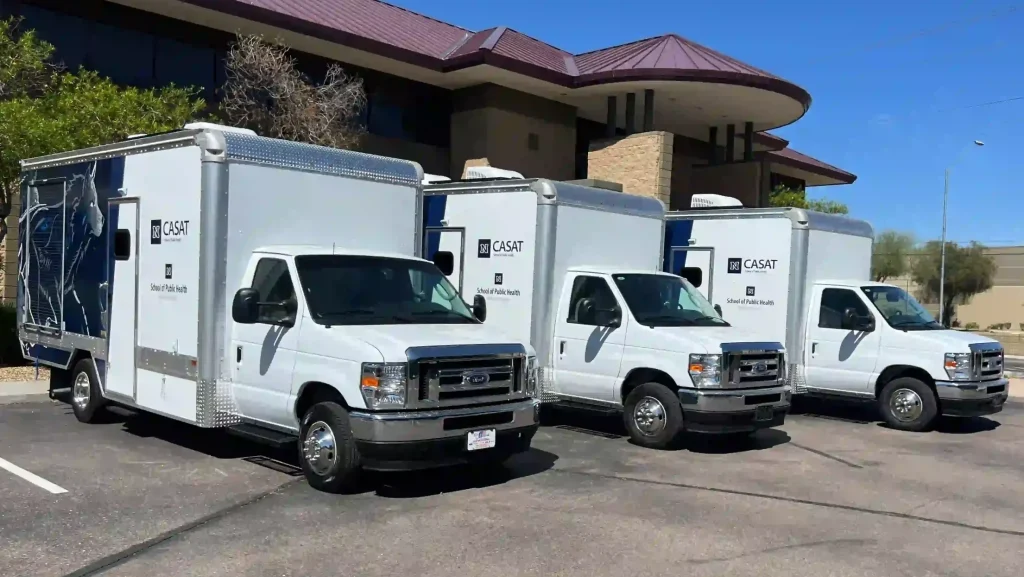
Explore Magnum Clinic Options
Build a proposal around a clear need and workable service model.
Explore Magnum’s options and develop a vehicle scope your leadership team can review.
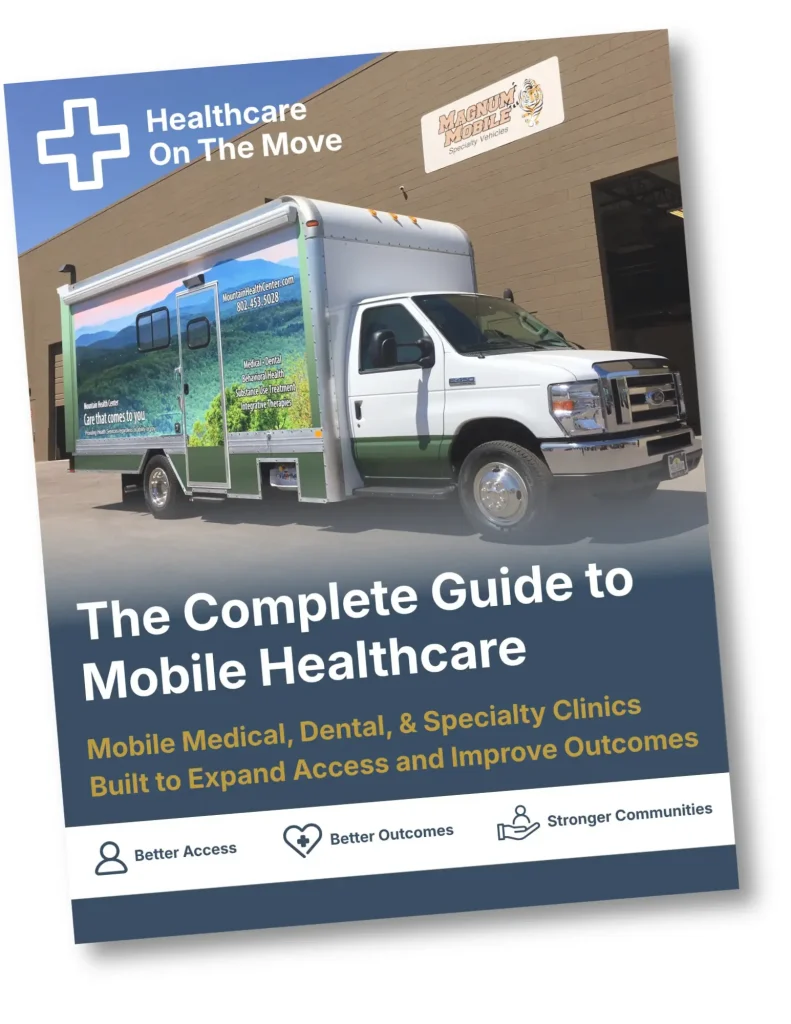
Mobile Healthcare Buyer Guide
Prepare the vehicle side of your business case with Magnum’s mobile healthcare buyer guide.
Trusted Nationwide
Trusted by Leading Healthcare Organizations
Trusted by healthcare providers, public agencies, universities, and nonprofit organizations to deliver high-quality mobile specialty vehicles.







Built to Support
Organizations Across Every Sector
Delivering mobile solutions for healthcare, education, government, nonprofit, and commercial applications.
Healthcare
Education
Government
Non-Profit
Public Safety
Corporate
Ready to Get Started
Let’s Build a Solution That Moves Care Forward
Tell us about your operation and our team will help build the right mobile vehicle solution for your needs.