
Mobile Specialty Vehicles • Configuration Decisions
What Decisions Must Be Finalized Before Manufacturing Starts?
Resolve the connected choices behind an approved vehicle configuration
Quick answer
Before manufacturing begins, confirm the project’s required approvals for scope, layout, equipment models, installation responsibilities, utilities, access features, storage, materials, graphics, and buyer-supplied items. The exact decisions and deadlines depend on the project. Use the builder’s approval process and keep the current agreed documents accessible to everyone involved.
A decision that appears small can affect several parts of a mobile vehicle. Changing an equipment model, for example, may change dimensions, utility demand, mounting, or service access.
Use a decision register to organize the review. It should show what needs approval, who owns the decision, what information is missing, and which version the project team has agreed to use.
Magnum Mobile can discuss configurable layouts, commercial-grade materials, and integrated vehicle systems around your operating plan. Explore our mobile specialty vehicles and request the Mobile Healthcare Buyer Guide through its guide page.
1. Confirm the scope and the people authorized to approve it
Start with the current configured proposal and project documents. Confirm the baseline before reviewing individual selections.
Scope: Identify the vehicle configuration, included systems, equipment, services, and exclusions. Resolve differences between drawings and written descriptions.
Authority: Name the buyer’s project contact and the people authorized to approve requirements, selections, and changes under the organization’s process.
Reviewers: Involve the teams responsible for services, transportation, facilities, equipment, purchasing, and other applicable functions.
Decision record: Keep approvals, dates, document versions, and open questions together. An unresolved discussion should remain visibly open until the relevant team confirms it.
2. Review the complete workflow on the proposed drawing
Ask the operating team to walk through a realistic visit rather than approving the layout from an empty-room view. Include people, equipment, and supplies in their working positions.
Full operation: Trace arrival, setup, access, service delivery, records, cleanup, restocking, closing, and travel preparation. Record conflicts before choosing a final arrangement.

| Decision group | What to resolve |
|---|---|
| Layout | Work areas, circulation, access, doors, and storage |
| Equipment | Exact models, dimensions, utilities, mounting, and servicing |
| Systems | Operating assumptions and interfaces with equipment and sites |
| Project inputs | Selections, graphics, approvals, and buyer-supplied items |
3. Finalize equipment and installation interfaces
Provide current manufacturer information for the exact models selected. The builder needs more than a general equipment description.
Specifications: Include dimensions, weight, operating clearances, connections, installation requirements, and maintenance access.
Responsibilities: Identify who selects, supplies, mounts, connects, tests, and trains staff on each major item. Resolve gaps between vehicle and equipment suppliers.
Operating demand: Review intended simultaneous equipment use with the appropriate equipment and vehicle teams. Confirm the assumptions behind shared systems.
Open choices: Ask the builder how an unselected item affects approval. Do not substitute a different model later without review.
4. Resolve systems, materials, storage, and graphics
Confirm the selections included in your project and the information required to complete them. Ask which choices depend on another decision.
Utilities: Review power, water, drainage, climate, connectivity, and other specified systems against the operating plan and selected equipment.
Access features: Confirm the agreed entrances, assistance features where specified, clearances, and deployed footprint. Include representative host-site requirements.
Storage and surfaces: Review supplies, equipment access, cleaning needs, and travel security with the operating team and builder.
Materials: Complete the applicable selections using the approved options and project scope. Ask about compatibility with the intended use.
Graphics: Assign responsibility for approved artwork, names, contact information, and final proof review. Keep unresolved branding decisions on the register.
5. Agree on deadlines and the change process
Ask the project team which decisions must be complete before each stage advances. Keep organizational approvals aligned with those requirements.
Deadlines: Record the dates or milestones for drawings, equipment information, selections, artwork, and buyer-supplied items. Confirm them for your actual project.
Dependencies: Identify information coming from other suppliers or departments and assign a person to follow up.
Changes: Request review before assuming a change is feasible or included. Obtain written confirmation of any approved effect on scope, cost, or delivery planning.
Handover: Ensure that manufacturing and delivery discussions use the current agreed documents, with superseded versions clearly distinguished.
6. Use a clear approval brief with Magnum Mobile
Magnum Mobile can discuss configurable layouts, commercial-grade materials, and integrated vehicle systems around your program. A complete decision brief helps make the configuration review practical.
Bring the register: Share final requirements, selected equipment, organizational reviewers, and questions still requiring a decision.
Review interfaces: Ask how equipment, systems, storage, access, and site needs work together in the proposed configuration.
Prepare for the next stage: Review Magnum’s consultation-to-delivery process and our specialty vehicles. Confirm the required approvals for your project.
Discuss your vehicle configuration with Magnum Mobile. Clear decisions help the team review a vehicle around the work your organization intends to deliver.
Vehicle Configuration Approval FAQs
Is there one universal pre-manufacturing checklist?
The exact approvals depend on the configured project. Use the builder’s requirements and your organization’s review process to define the final checklist and deadlines.
Why do equipment models need early confirmation?
Different models can change dimensions, weight, utilities, mounting, operating clearances, or service access. Those details may affect the vehicle configuration.
Can we change selections after approval?
Ask the builder to review the requested change. Confirm feasibility and any approved scope, cost, or timing effect in writing before treating it as agreed.
Who should maintain the decision register?
Assign one project owner to coordinate the current record, with decisions reviewed and approved by the relevant authorized people.
Prepare Your Configuration Decisions With Magnum
Bring Magnum Mobile your workflow, equipment, site requirements, and open decisions. The team can discuss a configuration around the complete operating plan and clarify the information needed for the next project stage.
Explore Magnum’s mobile specialty vehicles and compare configurations for your program.
Discuss Your Vehicle
Resolve connected layout, equipment, and system decisions before approval.
Bring a clear decision register to your Magnum project discussion.
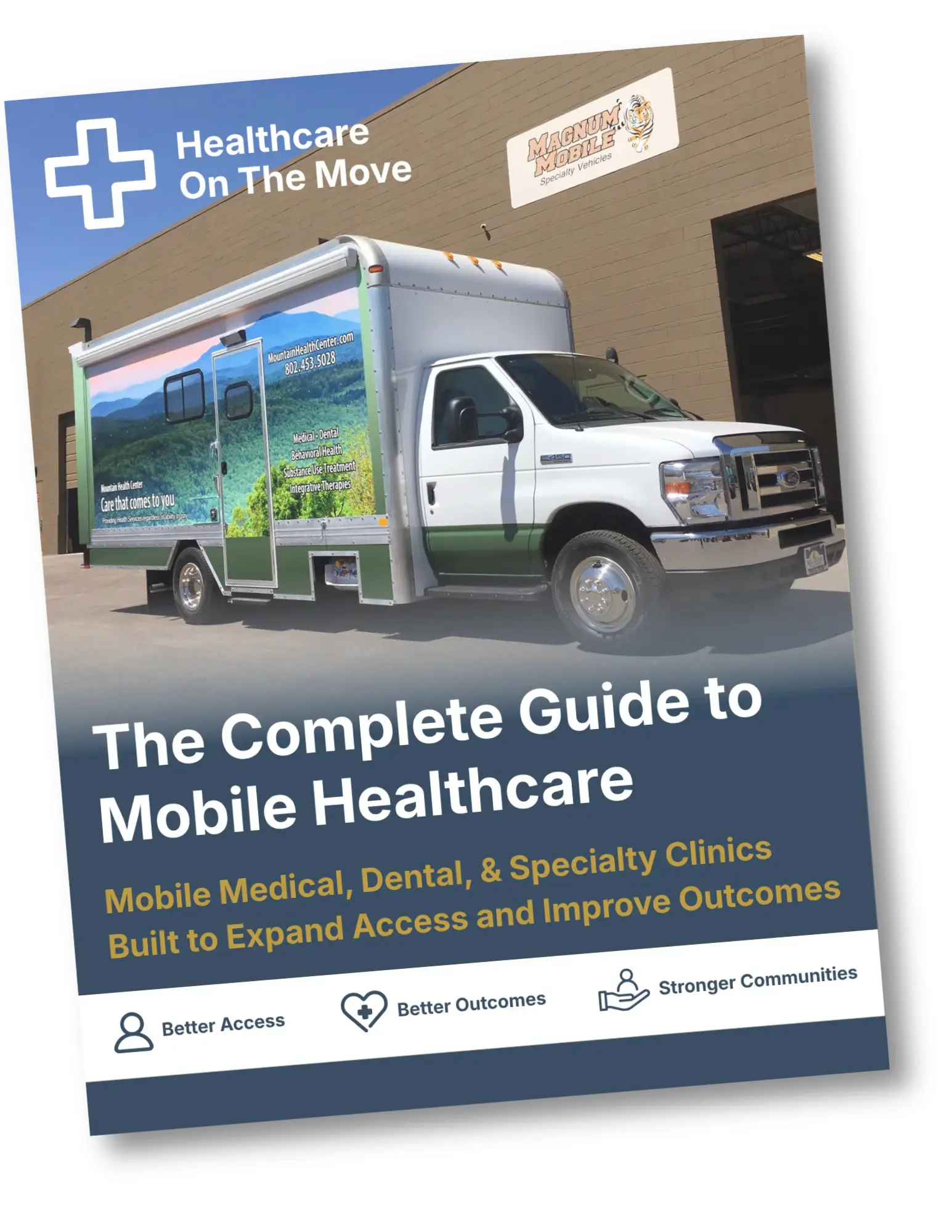
Get the Free Buyer Guide
Request the Mobile Healthcare Buyer Guide through the guide page.
Latest From Our Blog
Trusted Nationwide
Trusted by Leading Organizations
Trusted by healthcare providers, animal care programs, public agencies, universities, and nonprofit organizations for mobile specialty vehicles.







Built to Support
Organizations Across Every Sector
Delivering mobile solutions for healthcare, education, government, nonprofit, and commercial applications.
Healthcare
Education
Government
Non-Profit
Public Safety
Corporate
Ready to Get Started
Let’s Build a Solution That Moves Care Forward
Tell us about your operation and our team will help build the right mobile vehicle solution for your needs.