
Mobile clinic electrical planning
How to Estimate a Mobile Clinic’s Electrical Requirements
Turn your equipment list into a useful power brief
Quick answer
To estimate mobile clinic electrical requirements, collect specifications for every powered device and vehicle system, then describe what operates simultaneously, for how long, and under which conditions. Give that inventory to the builder for a technical review of sources, circuits, installation, and capacity before selecting the vehicle configuration.
Electrical planning becomes more useful when your team can describe actual work. A clinic that runs several devices together needs a different review from one using those devices in separate appointments.
Your early estimate should organize the information needed for design. It should identify unknowns, planned purchases, and operating assumptions that could change the power requirement.
Magnum Mobile Specialty Vehicles plans configured mobile medical clinics and mobile dental clinics. Use this checklist to prepare your mobile clinic electrical requirements for a vehicle discussion.
1. Build the equipment inventory
Create one inventory that includes clinical equipment, support devices, and powered vehicle systems. Assign someone to maintain it as the project develops.
Clinical devices: List the selected model and quantity for each powered device. Include accessories or separate components needed to use it as planned.
Support equipment: Include computers, printers, refrigeration, chargers, and other devices that staff expect to use throughout the service day.
Vehicle systems: Ask Magnum which installed systems need to be considered in the review. Climate control, lighting, pumps, and other equipment can be part of the overall requirement.
Purchasing status: Mark items as confirmed, under consideration, or future additions. Do not treat an unselected product’s requirements as final.
2. Collect model specifications
Collect the manufacturer’s electrical and installation information for the exact models. A device name or an online photo rarely provides enough detail for integration planning.
Record the supply requirements, rated electrical information, connection type, and any documented startup or operating conditions. Provide the original specification sheets so the builder can interpret them correctly.
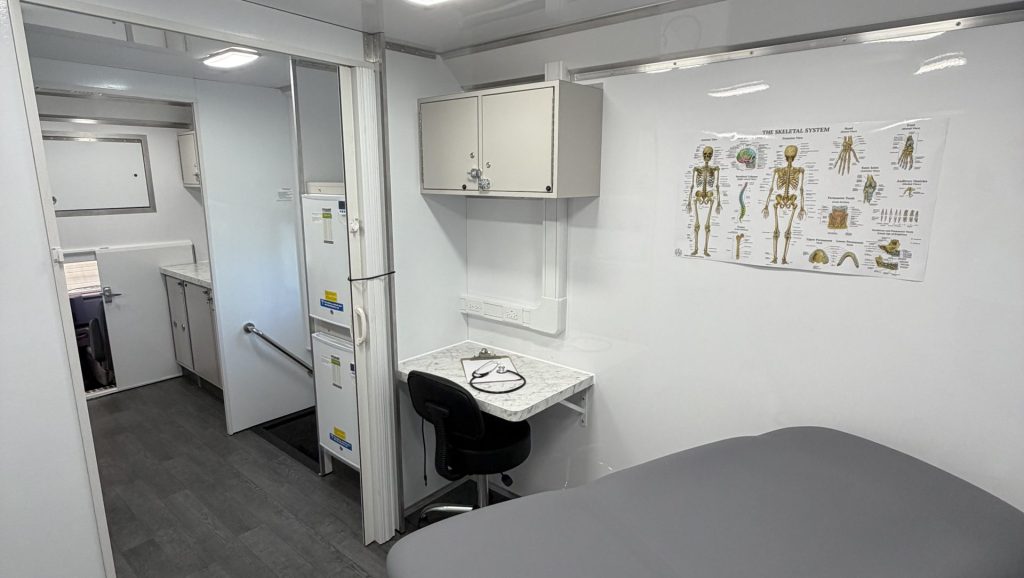
Ask the supplier about unclear information rather than substituting an estimate from a similar product. Keep the model number and document version with each inventory entry.
3. Describe simultaneous use
Describe how the equipment is used together. Your workflow gives the builder context for reviewing the electrical information and identifying situations that need further clarification.
Setup: What turns on before patients arrive? Include room preparation, computers, and devices that need a readiness period.
Appointments: Identify the combinations used during each service. Explain whether multiple rooms or providers will use equipment concurrently.
Between visits: Include cleaning, processing, charging, and other support tasks. These activities may overlap with a visit elsewhere in the vehicle.
End of day: Describe shutdown, charging, and systems that remain on. Review each scenario with the staff who will perform the work.
4. Include vehicle systems and hours
Operating hours and conditions belong in the mobile clinic electrical requirements brief. Power capacity and the duration of available energy are separate questions that the proposed system needs to address.
Climate control: Share expected locations, seasons, occupied hours, and the way the program uses doors and rooms. Ask the builder to review the proposed heating and cooling setup.
Continuous operation: Identify systems that must remain powered during parking, storage, or travel under their documentation. Have the responsible team confirm those requirements.
Service-day pattern: Include travel time, setup, appointments, breaks, and closing tasks. A service day can require more operating time than the appointment schedule shows.
Replenishment: Explain where fuel or charging will be available for the proposed onboard system. Confirm the operating assumptions behind any runtime discussion.
Changing conditions: Identify occasional longer days or different locations. Ask how those conditions affect the plan rather than assuming the typical day covers every deployment.
5. Review supply and installation
Once the inventory is organized, review it with Magnum against the proposed power sources and installation. The review should connect equipment needs with the vehicle’s actual configuration.
External supply: Bring verified host-site electrical information. A connection must be suitable for the vehicle and its intended operation.
Installed sources: Confirm which loads the proposed generator or battery system serves and the conditions used to evaluate capacity and operating duration.
Locations and access: Discuss where equipment operates, where connections are needed, and how staff access devices and service areas. Include mounting and working clearance.
Technical design: Have the builder and appropriate qualified specialists resolve system sizing, circuits, compatibility, and installation. The buyer’s inventory is input to that review.
6. Keep requirements current
Keep a dated electrical requirements inventory as equipment and services develop. A later substitution can affect power planning even when the replacement performs the same clinical function.
Review changes: Send proposed equipment substitutions or additions to Magnum before purchasing them. Include the updated specifications and operating scenario.
Resolve unknowns: Assign each missing specification to a person and a deadline. Keep assumptions visible until they are confirmed.
Confirm scope: Record who supplies each device, who installs it, and what readiness checks are included in the project. Refer to the agreed vehicle documentation.
Get started: Read Magnum’s build process, then contact the team with your inventory, service hours, and host-site information.
Mobile clinic electrical requirements FAQs
How do I estimate a mobile clinic’s electrical requirements?
Collect exact equipment specifications and quantities, include vehicle systems, and describe simultaneous use and operating hours. Give the organized information to the builder for technical review of the proposed electrical configuration.
Is adding equipment wattages enough to select a generator?
An equipment total alone does not complete the review. The builder needs the selected devices’ documented requirements, operating combinations, vehicle systems, and installation conditions to evaluate an appropriate configuration.
Should heating and cooling be included?
Yes, include the proposed climate-control system in the overall discussion. Share deployment locations, seasons, and occupied hours so Magnum can review it alongside clinical and support equipment.
Can we add more equipment after the vehicle is built?
Ask Magnum to review the selected equipment and intended use before adding it. Extra devices or replacements may affect electrical capacity, circuits, mounting, utilities, and working space.
Prepare your electrical brief with Magnum
A clear inventory makes the vehicle discussion more specific. It helps the team identify which information is confirmed and which decisions still depend on equipment selection.
Explore Magnum’s medical vehicles and dental vehicles to start comparing configurations for your services.
Discuss your vehicle with Magnum Mobile and bring your electrical requirements inventory, equipment documents, and deployment questions.
Request the free Mobile Healthcare Buyer Guide through the landing page for broader vehicle-planning help.
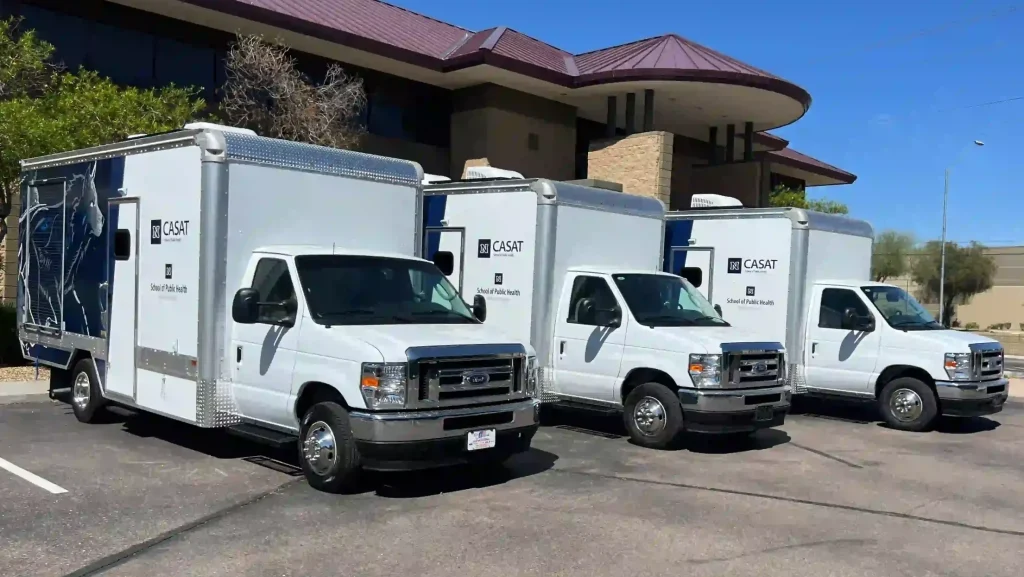
Discuss Your Vehicle
Preparing electrical requirements? Share your equipment models, quantities, operating patterns, and planned host sites with Magnum.
Turn your equipment inventory into a focused discussion about a configured specialty vehicle.
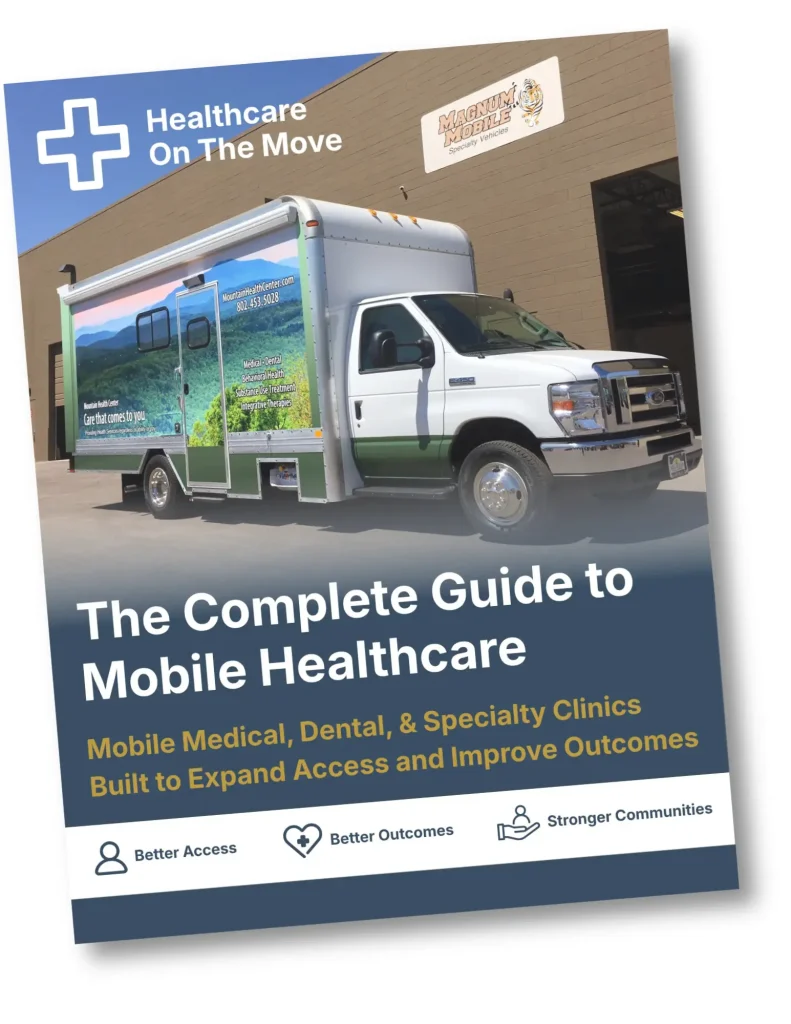
Get the Free Buyer Guide
Get the free Mobile Healthcare Buyer Guide to organize equipment, services, and deployment questions before your consultation.
Trusted Nationwide
Trusted by Leading Healthcare Organizations
Trusted by healthcare providers, public agencies, universities, and nonprofit organizations to deliver high-quality mobile specialty vehicles.







Built to Support
Organizations Across Every Sector
Delivering mobile solutions for healthcare, education, government, nonprofit, and commercial applications.
Healthcare
Education
Government
Non-Profit
Public Safety
Corporate
Ready to Get Started
Let’s Build a Solution That Moves Care Forward
Tell us about your operation and our team will help build the right mobile vehicle solution for your needs.