
Mobile clinic climate-control planning
What to Ask About Heating and Cooling Before Buying
Plan climate control around your actual operating conditions
Quick answer
Before buying, ask how mobile clinic heating and cooling will support your deployment locations, seasons, occupied hours, room layout, and equipment. Review the proposed system’s power requirements, controls, operating assumptions, and maintenance access with the builder. Confirm specialized equipment or service requirements separately with the responsible professionals.
A climate-controlled vehicle still needs to be evaluated against your actual operating plan. The places you visit, how long you stay, and how staff use doors and rooms shape that discussion.
Start with the conditions your program expects to encounter. Give the builder a clear brief instead of comparing vehicles only by the number of installed air-conditioning units.
Magnum Mobile Specialty Vehicles builds configured mobile medical clinics and mobile dental clinics. Use these questions to prepare a mobile clinic heating and cooling review before choosing your configuration.
1. Define deployment conditions
Tell Magnum where the vehicle will operate and which seasons are part of your service calendar. Include both regular stops and occasional deployments that may present different conditions.
Locations: List the regions, typical host sites, and parking arrangements. Flag locations whose setup details remain unconfirmed.
Service hours: Describe setup time, occupied hours, breaks, closing tasks, and any equipment that remains onboard afterward.
Room use: Identify the spaces that staff and patients occupy at the same time. Explain whether doors stay closed during appointments.
Unusual days: Discuss longer events, seasonal changes, and outdoor waiting arrangements. Ask which assumptions the proposed system is being evaluated against.
2. Review rooms and controls
Ask how the proposed heating and cooling system serves the actual floor plan. A room count alone does not explain air distribution, controls, or how the program will use the space.
Discuss where controls are located and who operates them. Explain the intended use of doors, room dividers, and entry areas so the builder can review the configuration in context.
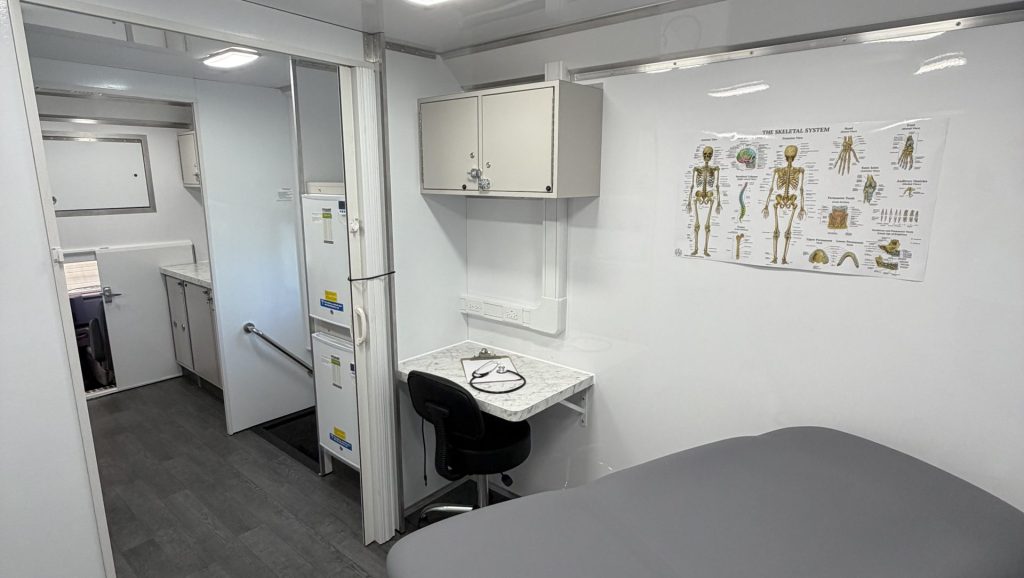
Ask how staff should check readiness before service begins and which operating information will be provided at delivery. Use the documentation for the selected vehicle and installed equipment.
3. Confirm equipment requirements
Clinical equipment and stored items can have requirements beyond general cabin comfort. Give those requirements to the builder early rather than assuming the cabin system addresses every need.
Equipment documents: Provide manufacturer information for the selected models, including any environmental or installation requirements relevant to their operation.
Stored items: Identify supplies or products requiring dedicated storage conditions. Have the program’s responsible team confirm the storage equipment and monitoring needs.
Service requirements: Ask the appropriate clinical and technical professionals to define any ventilation or environmental requirements associated with your planned services.
Design review: Confirm how those requirements affect the layout, equipment integration, utilities, and scope. General heating and cooling should not be treated as proof that every specialized requirement is met.
4. Connect climate control with power
Review mobile clinic heating and cooling alongside the overall power plan. The discussion should include the proposed climate-control system and the other equipment used during the service day.
Simultaneous use: Describe what runs while the occupied spaces are being heated or cooled. Include clinical devices and support equipment in the same operating scenario.
Host connections: Bring verified shore-power information for regular sites. Confirm that the proposed vehicle can operate as planned with the available supply.
Onboard operation: Ask how the configured onboard power source supports climate control and other loads under the intended conditions.
Operating duration: Discuss the full day, including preparation and closing time. Confirm fuel or charging arrangements where applicable.
Interrupted power: Have your program define the appropriate response if climate control or its power supply becomes unavailable during a visit.
5. Plan operation and maintenance
A climate-control plan includes the routines needed to keep the installed system ready for service. Clarify the staff responsibilities and service access before the vehicle is delivered.
Readiness checks: Ask what the operator should inspect or confirm before use, using the installed system’s documentation and training.
Maintenance access: Discuss how the system is serviced and whether equipment or storage placement affects access to service points.
Scheduling: Record applicable maintenance tasks and intervals from the documentation. Assign a person to maintain service records and coordinate follow-up.
Support: Review the relevant Magnum support resources and clarify who to contact about the installed vehicle systems.
6. Prepare your climate-control brief
Prepare a short brief that connects operating conditions with room use, equipment, power, and upkeep. This helps Magnum discuss the proposed climate-control configuration against your program’s needs.
Document assumptions: Include regions, seasons, service hours, staffing, and the way spaces will be occupied. Mark any assumptions still needing confirmation.
Gather specifications: Attach the selected equipment’s environmental requirements and any specialized service requirements identified by your responsible team.
Ask for clarity: Confirm the proposed equipment, controls, operating documentation, maintenance responsibilities, and questions that need further review.
Start your review: Explore Magnum’s build process and share your climate-control planning questions with the team.
Mobile clinic heating and cooling FAQs
What should I ask about mobile clinic heating and cooling?
Ask how the proposed system supports your locations, seasons, service hours, room use, and equipment. Review controls, power requirements, operating assumptions, maintenance access, and any requirements needing specialist review.
Does cabin air conditioning replace dedicated medical storage?
No. Have the responsible team confirm the storage conditions, equipment, and monitoring required for the items you carry. General cabin comfort does not establish that specialized storage requirements are met.
Can we compare vehicles by the number of air conditioners?
The number alone does not complete the comparison. Review the installed system with the floor plan, expected operating conditions, equipment requirements, and power configuration before choosing a vehicle.
What information does Magnum need for the climate-control discussion?
Bring deployment locations, seasons, occupied hours, staffing and room use, equipment specifications, and available site-power information. Identify specialized requirements and unresolved assumptions for the project team to review.
Review your climate-control needs with Magnum
Heating and cooling questions are most useful when they describe how the program will operate. Clear assumptions help the team review a vehicle configuration in context.
Compare Magnum’s medical clinic options and dental clinic options as a starting point for your planning discussion.
Discuss your vehicle with Magnum Mobile and share your deployment climate, equipment requirements, service hours, and room-use questions.
For a broader checklist, request the free Mobile Healthcare Buyer Guide through its landing page.
Discuss Your Vehicle
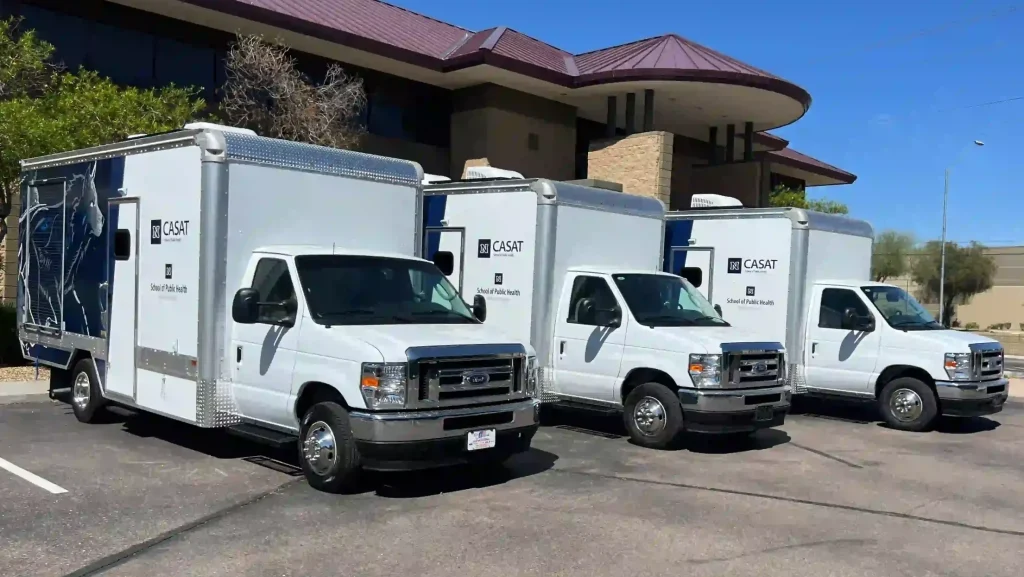
Planning heating and cooling? Tell Magnum where your vehicle will operate, when it will be occupied, and which equipment it will carry.
Bring those requirements to a focused discussion about your configured mobile clinic.
Get the Free Buyer Guide
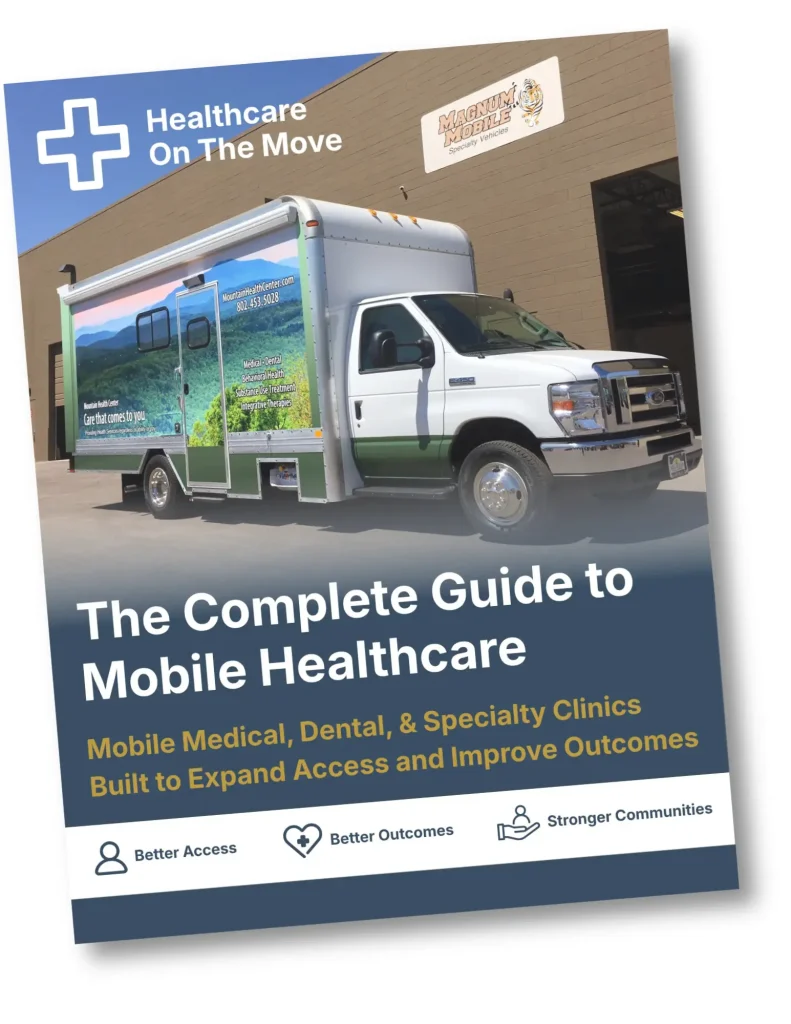
Get the free Mobile Healthcare Buyer Guide to organize your services, equipment, and deployment questions before choosing a vehicle.
Trusted Nationwide
Trusted by Leading Healthcare Organizations
Trusted by healthcare providers, public agencies, universities, and nonprofit organizations to deliver high-quality mobile specialty vehicles.







Built to Support
Organizations Across Every Sector
Delivering mobile solutions for healthcare, education, government, nonprofit, and commercial applications.
Healthcare
Education
Government
Non-Profit
Public Safety
Corporate
Ready to Get Started
Let’s Build a Solution That Moves Care Forward
Tell us about your operation and our team will help build the right mobile vehicle solution for your needs.