
Mobile clinic water-system planning
What to Ask About Freshwater and Wastewater Systems
Plan water systems around service and servicing needs
Quick answer
Ask about mobile clinic water systems by defining the fixtures and equipment you will use, expected service hours, replenishment arrangements, and wastewater handling. Review the proposed freshwater supply, wastewater storage, service access, maintenance, and cold-weather preparation with Magnum. Confirm specialized equipment requirements and disposal arrangements with the responsible people.
A water-system discussion should describe what your staff will do before, during, and after a visit. The vehicle needs to support the planned tasks, while the program needs a dependable servicing routine.
Start with your services and the equipment selected for them. Then connect the proposed system with the places you can fill, service, and store the vehicle.
Magnum Mobile Specialty Vehicles builds configured medical clinics and dental clinics. Use these questions to prepare a mobile clinic water systems brief for your vehicle consultation.
1. Define water-using tasks
List each fixture and piece of equipment that needs a water supply or produces wastewater. Include everyday support tasks as well as the services offered to patients.
Fixtures: Identify the sinks and any onboard restroom included in the plan. Explain where staff use them and which activities they support.
Equipment: Provide the selected models and manufacturer requirements for devices needing supply, drainage, or separate treatment systems.
Daily work: Describe setup, appointments, cleaning, and closing tasks. Ask your operational team to review the assumptions before submitting them to the builder.
Deployment pattern: Explain how long the vehicle will operate between servicing opportunities. Include travel and consecutive visits away from the home base.
2. Review freshwater capacity
Ask Magnum to review freshwater needs against the intended fixtures, equipment, and daily work. A tank capacity by itself does not establish how many visits your program can complete.
Discuss the planned refill location, access hours, and responsible person. Confirm the appropriate source and handling procedures with the team responsible for the water system and your services.
Ask what information staff use to check readiness and determine when replenishment is needed. Record which assumptions about use and servicing support the proposed configuration.
3. Plan wastewater handling
Plan wastewater arrangements alongside freshwater supply. The program needs to understand which systems collect wastewater and how those systems will be serviced.
System scope: Ask which tanks or collection systems are included, what feeds them, and how the proposed configuration handles the planned fixtures.
Equipment output: Identify devices whose waste needs separate handling. Have the responsible professionals define those requirements before treating all waste as ordinary tank contents.
Service location: Confirm a suitable, permitted disposal arrangement with the receiving facility and responsible local parties. Do not assume a host site offers this service.
Scheduling: Include service access hours, travel to the disposal location, and responsibility for the task. Resolve these arrangements before scheduling visits that depend on them.
4. Confirm equipment integration
Equipment integration requires more detail than knowing a device “uses water.” The selected model may have supply, drainage, installation, or maintenance requirements that affect the vehicle plan.
Manufacturer documents: Provide the exact model, accessories, and installation requirements. Ask the supplier to clarify missing specifications.
Connections: Have Magnum review the required supply and drainage interfaces for the proposed equipment. Identify any separate reservoirs or supporting components.
Working space: Discuss where equipment operates and where staff perform associated tasks. Include access to fill points, service areas, and consumables.
Specialized procedures: Have the appropriate team define cleaning, treatment, monitoring, or waste-handling requirements for your services and equipment.
Scope ownership: Confirm who supplies each device and who reviews its integration. Send equipment changes to Magnum before committing to a replacement.
5. Assign servicing and upkeep
Ask how staff will operate and maintain the installed water system. A documented routine helps the program connect vehicle readiness with the planned service calendar.
Training: Identify the staff who handle filling, checks, servicing, and shutdown. Review the vehicle documentation and relevant Magnum support and water-system training resources.
Maintenance: Establish inspection and cleaning tasks from the installed system’s instructions. Assign records and follow-up to a responsible person.
Cold weather: Discuss expected freezing conditions, storage arrangements, and the vehicle-specific winterization process with Magnum before exposure occurs.
Interrupted service: Have the program define what staff should do if supply, drainage, or a required service arrangement becomes unavailable during deployment.
6. Prepare your water-system brief
Bring the operating requirements and servicing arrangements into one brief. This gives Magnum a practical starting point for discussing the proposed mobile clinic water systems.
Service information: Include fixtures, equipment models, water-using tasks, service hours, and time between replenishment opportunities.
Deployment information: List intended refill and disposal locations, confirmed access arrangements, storage conditions, and unresolved questions.
Project decisions: Record the proposed system scope, equipment responsibilities, training needs, and items requiring specialist confirmation.
Next step: Explore Magnum’s consultation-to-delivery process and share your water-system questions with the team.
Mobile clinic water systems FAQs
What should I ask about mobile clinic water systems?
Ask how the proposed supply and wastewater systems support your fixtures, equipment, service hours, and servicing arrangements. Review capacity assumptions, connections, maintenance access, training, and cold-weather preparation.
How much freshwater capacity does our clinic need?
Have Magnum review your fixtures, equipment requirements, expected use, and refill opportunities. The appropriate configuration depends on the operating plan; one tank size does not establish capacity for every program.
Can wastewater be disposed of at any host site?
Confirm a suitable, permitted arrangement with the receiving facility and responsible local parties. Identify separate handling needs for equipment waste and verify servicing access before relying on a host location.
What should we plan for freezing weather?
Discuss the expected climate, overnight storage, and vehicle-specific winterization process with Magnum. Assign the task and follow the installed system’s documentation before exposure to freezing conditions.
Plan your water-system requirements with Magnum
Water-system questions become more useful when the team can explain both the work inside the vehicle and the servicing routine outside it.
Compare Magnum’s medical vehicle options and dental vehicle options to start your planning conversation.
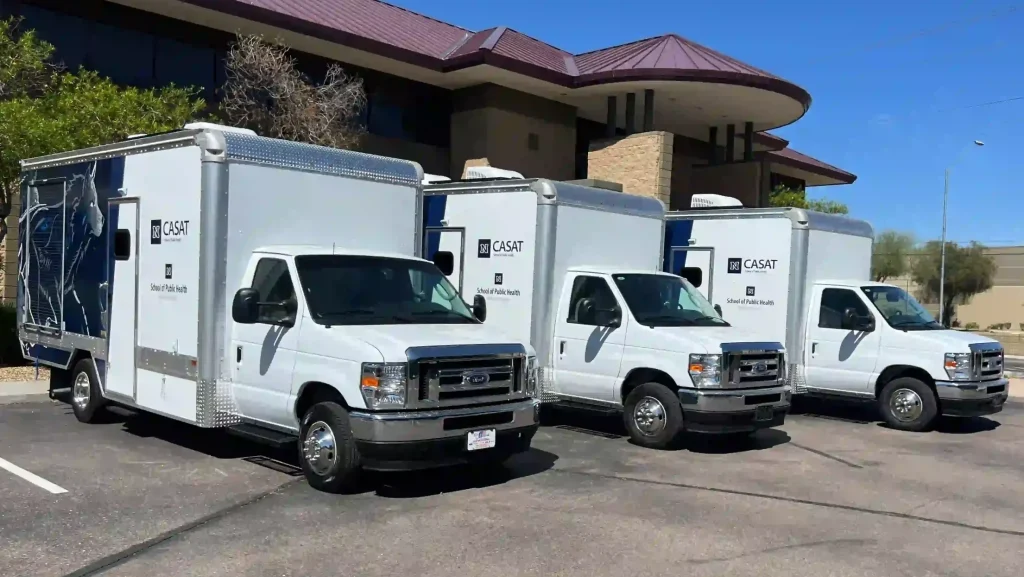
Discuss your vehicle with Magnum Mobile and share your fixtures, equipment information, service hours, and replenishment questions.
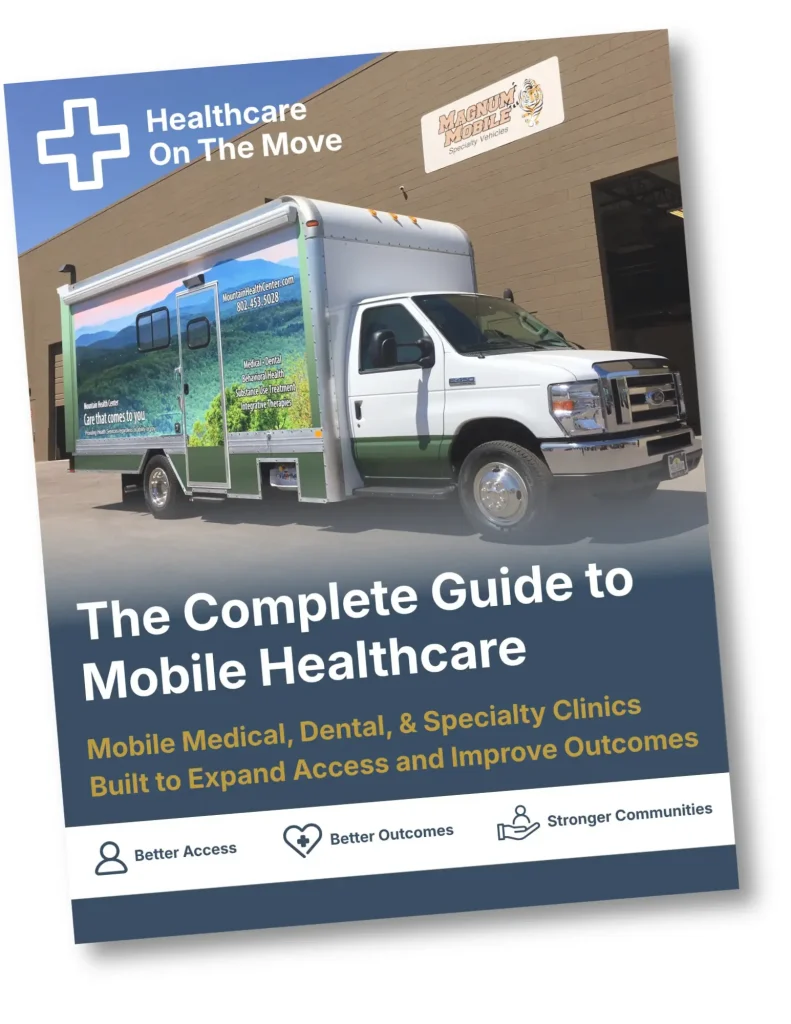
Request the free Mobile Healthcare Buyer Guide through its landing page to organize broader vehicle requirements.
Discuss Your Vehicle
Planning water systems? Tell Magnum about your fixtures, equipment, service schedule, and refill and disposal arrangements.
Bring that information to a focused conversation about a configured mobile healthcare vehicle.
Get the Free Buyer Guide
Get the free Mobile Healthcare Buyer Guide to organize services, equipment, utilities, and deployment questions.
Trusted Nationwide
Trusted by Leading Healthcare Organizations
Trusted by healthcare providers, public agencies, universities, and nonprofit organizations to deliver high-quality mobile specialty vehicles.







Built to Support
Organizations Across Every Sector
Delivering mobile solutions for healthcare, education, government, nonprofit, and commercial applications.
Healthcare
Education
Government
Non-Profit
Public Safety
Corporate
Ready to Get Started
Let’s Build a Solution That Moves Care Forward
Tell us about your operation and our team will help build the right mobile vehicle solution for your needs.