
Mobile Clinic Launch Timing
Why Mobile Clinic Launches Get Delayed—and How to Prepare
Coordinate vehicle decisions, equipment, approvals, operating readiness, and delivery around a shared schedule.
Mobile clinic launch delays can arise when vehicle scope, equipment, approvals, delivery arrangements, or program preparation are still unresolved. Prepare by identifying the decisions and dependencies affecting your project, assigning owners, and reviewing the build schedule alongside staffing, site, and service readiness.
Vehicle delivery and the first service day are related milestones. A finished vehicle still needs the operating team, equipment arrangements, host locations, and organizational preparation required for the selected services.
The timeline also depends on the configured build and production availability. Magnum’s support guidance explains that vehicle type, complexity, and customization affect timing; discuss the actual project rather than applying one general lead time.
This article describes planning questions that can help your team identify avoidable uncertainty. It does not promise that a checklist can remove every production or operating constraint.
Make the next required decision visible. For each open item, record its owner, the information needed, the planned decision date, and the work that depends on it.
Track the Decisions and Dependencies Behind the Launch
Launch dependencies to review
- Service scope and layout decisions
- Equipment information and supply responsibilities
- Internal approvals and project resources
- Staff, hosts, and operating arrangements
- Delivery, familiarization, and first service readiness
Keep a shared list of open decisions. A schedule is easier to manage when the builder and your internal team know which requirements are confirmed and which may change.
Identify a project lead and a clear route for questions between the builder, clinical team, operations, finance, and leadership. Bring the relevant decision-makers into discussions affecting their responsibilities.
Review the schedule when the scope changes or a dependency moves. Explain which milestones are affected so the team can assess the next step with current information.
Use Magnum’s consultation-through-delivery process to organize the vehicle milestones and connect them with your program’s preparation.
Confirm Scope and Review Changes Before They Spread
Unresolved services or layout decisions can keep the configuration moving. Changes to the work the program will perform can affect staff positions, equipment, storage, access, and utilities.
Before layout approval, review a representative service day with the operating team. Identify essential requirements and the decisions still open rather than asking the builder to work around an undefined program.
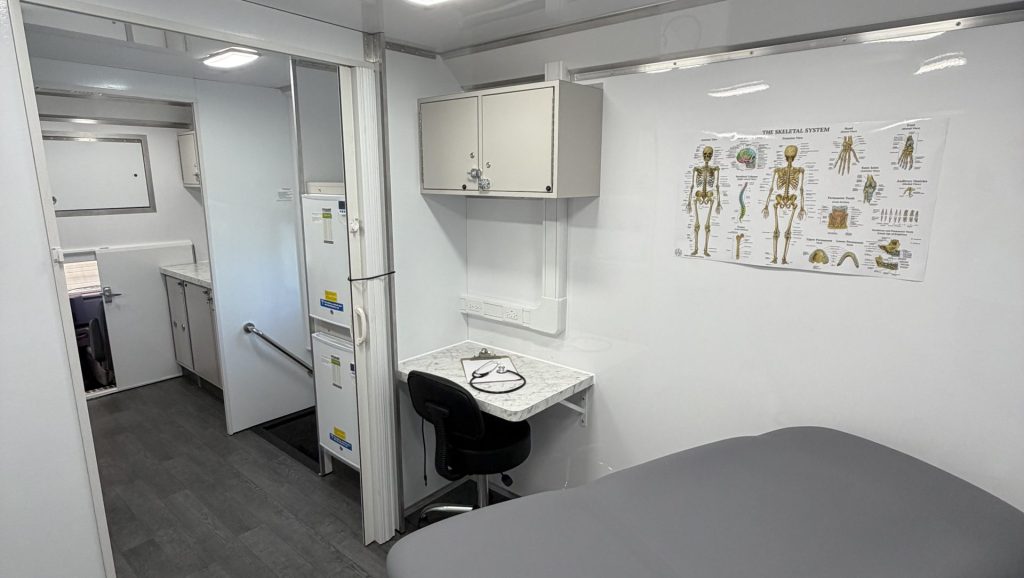
If a requirement changes later, explain the reason and ask how it affects design, materials, installed systems, cost, or timing. Agree on the revised scope through the project’s review process.
Coordinate Equipment Information and Responsibilities
Equipment needs more than a name on a list. Items affecting installation may require dimensions, weights, utility information, access clearances, or manufacturer documentation.
Identify what the builder will supply and what your organization will provide. Confirm the responsibilities in the proposal so equipment ordering and installation coordination have owners.
For organization-supplied items, ask what information and arrival arrangements are needed for the configured build. Check those requirements with the supplier before treating an equipment date as confirmed.
Discuss equipment changes with the design team before substituting a different model. A replacement may have different space, power, mounting, or service-access requirements.
Keep the equipment list aligned with the approved service scope and layout. Review the relevant medical clinic options or dental clinic configurations with the actual requirements in view.
Plan Internal Approvals and Resource Commitments
Internal approvals need a place in the project schedule. Identify who can approve the scope, resource commitment, equipment choices, and next vehicle-planning step.
Ask your internal sponsor how the request will be reviewed and when the required materials are due. Prepare the configured scope and supporting information around that process.
Separate resources already committed from support still being sought. Explain any conditions that must be met before the organization can make the next commitment.
Keep acquisition and recurring operation visible together. Review staffing, travel, supplies, servicing, and upkeep with finance so vehicle approval does not leave the operating plan unresolved.
Record the decisions that need clinical, operational, or leadership input. A single project lead can coordinate the discussion while the appropriate team members review their own requirements.
When an internal decision moves, communicate its effect on the next steps. Ask for an updated project view rather than continuing to use a date based on assumptions that have changed.
Prepare Staff, Sites, and the Operating Program
Prepare the program alongside the vehicle. Staffing, host arrangements, scheduling, supplies, records, and follow-up work need attention before the first service day.
Assign owners for driving, setup, coordination, restocking, cleaning, and maintenance responsibilities. Confirm how that work fits the planned service calendar.
Confirm hosts and operating locations, including permission, usable setup space, access, and utility arrangements for the selected configuration. Keep potential sites distinct from confirmed arrangements.
Include overnight storage, equipment servicing, and the place where the team will prepare between visits. These arrangements help make the operating schedule workable.
Review the first service day with the people carrying it out. Identify tasks that can be completed before delivery and tasks that depend on familiarization with the actual unit.
Coordinate Delivery and the First Service Day
Plan delivery and the transition into service as their own steps. Coordinate the receiving location, responsible staff, equipment arrangements, and walkthrough with the project team.
Ask which people should attend the delivery walkthrough and what they should prepare. Arrange enough team availability to review the selected vehicle and installed systems.
Use Magnum’s support and training resources with the documentation for the chosen equipment. The operating team should know where to find help for the systems it will use.
Set a readiness review before committing to the first service calendar. Confirm the staff, locations, supplies, procedures, and vehicle familiarization needed for the planned activities.
Keep a practical response plan for dates or arrangements that change. Decide who will update staff, hosts, and leadership through your organization’s usual communication process.
Mobile Clinic Launch Delay FAQs
Does vehicle delivery mean the mobile clinic can begin service immediately?
The program also needs staff, hosts, supplies, procedures, and familiarization with the selected vehicle and equipment. Coordinate those requirements with delivery and review readiness for the first service day.
Can a layout change affect the launch timeline?
It can, depending on the change and project stage. Ask the builder how revised equipment, spaces, or installed systems affect the configuration and next milestones.
What timeline should we use before choosing a configuration?
Use a planning target with assumptions clearly identified. Discuss the vehicle scope and current availability with Magnum before treating a general estimate as a confirmed project schedule.
How can our team prepare for launch delays?
Track dependencies, assign owners, review changes promptly, and prepare the operating program alongside the build. Keep the schedule tied to confirmed information and agreed next steps.
Plan Your Vehicle Milestones with Magnum
Make the vehicle-planning stages clear for your team. Magnum’s consultation, configurable design, integrated systems, and delivery support give organizations a structured path for developing the vehicle side of the project.
Review Magnum’s build process and bring the team your service requirements, equipment information, open decisions, and launch goals.
Use the mobile healthcare buyer guide to prepare the vehicle questions behind your project schedule.
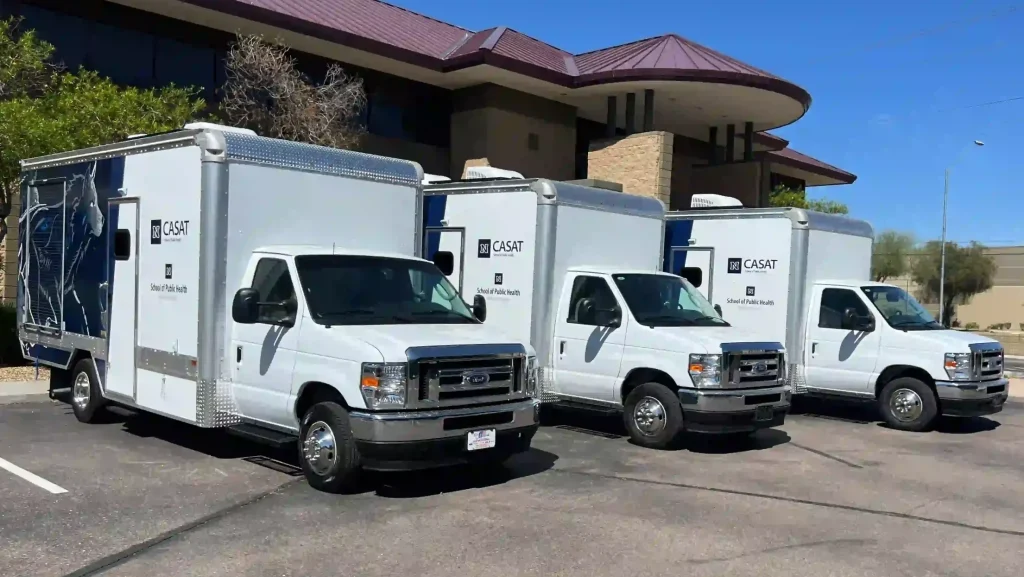
Explore Magnum Clinic Options
Connect vehicle decisions with the preparation behind your launch.
Explore Magnum’s options and discuss the requirements and timing of your actual project.
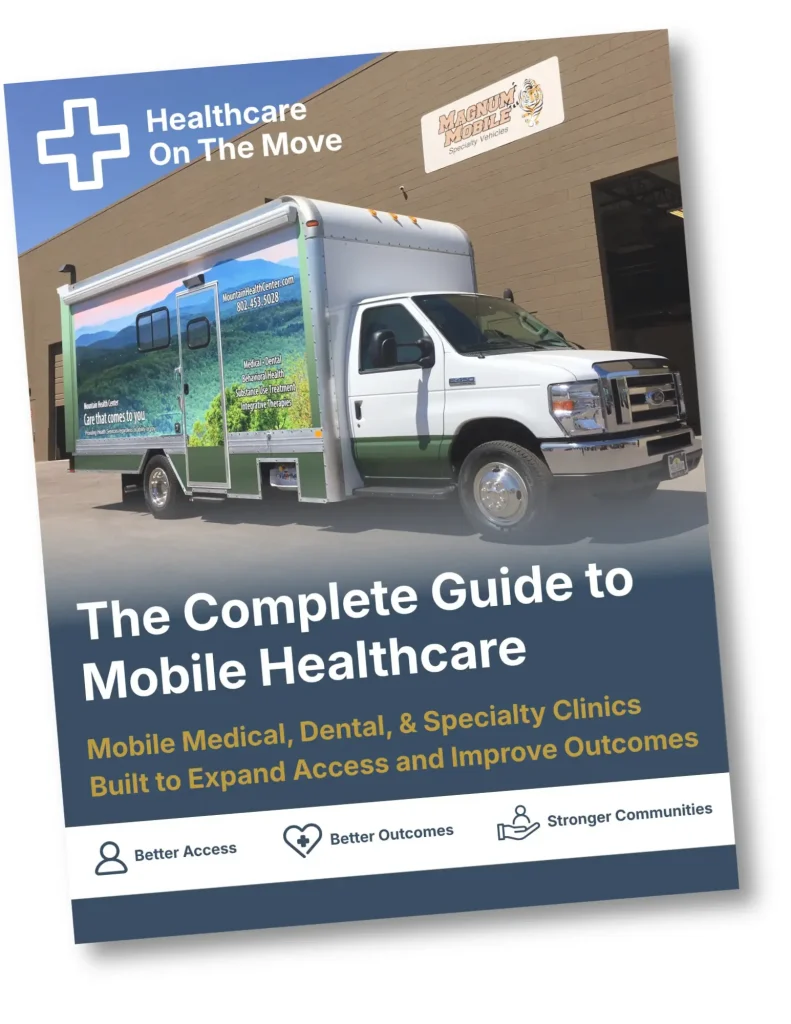
Mobile Healthcare Buyer Guide
Prepare your vehicle-planning questions with Magnum’s mobile healthcare buyer guide.
Trusted Nationwide
Trusted by Leading Healthcare Organizations
Trusted by healthcare providers, public agencies, universities, and nonprofit organizations to deliver high-quality mobile specialty vehicles.







Built to Support
Organizations Across Every Sector
Delivering mobile solutions for healthcare, education, government, nonprofit, and commercial applications.
Healthcare
Education
Government
Non-Profit
Public Safety
Corporate
Ready to Get Started
Let’s Build a Solution That Moves Care Forward
Tell us about your operation and our team will help build the right mobile vehicle solution for your needs.