
Manufacturer & Operator Roles
Mobile Clinic Manufacturer vs. Program Operator: Who Does What?
Clarify the vehicle build, program operations, equipment, and launch responsibilities before buying.
A mobile clinic manufacturer builds and configures the vehicle; a program operator organizes the services delivered from it. The operator may be your own organization or a separately contracted provider. Understanding that distinction helps you plan staffing, equipment, sites, and the steps needed to launch.
A vehicle purchase and a care-delivery program are connected projects with different responsibilities. A well-designed clinic supports the work, while the operating team makes the service available to the people or animals it serves.
Magnum manufactures mobile clinics and specialty vehicles. Its published information states that it does not provide healthcare, veterinary, or transportation services. Start the discussion with that scope in mind.
Before comparing proposals, ask whether you are buying a vehicle, contracting for program operations, or arranging both through separate agreements. Similar language such as “mobile clinic solution” can describe very different scopes.
Assign every launch task to a named owner. A responsibility checklist helps keep vehicle design, program preparation, and delivery aligned.
Manufacturer vs. Operator: A Responsibility Checklist
Manufacturer vs. operator: a planning comparison
- Vehicle design and construction: builder scope as agreed in the proposal
- Equipment supply and integration: assign item by item
- Clinical services and staffing: operator responsibilities
- Hosts, routes, scheduling, and records: operator responsibilities
- Delivery, walkthroughs, and support: confirm builder scope
- Daily checks and maintenance: assign operating roles and support arrangements
For each task, record: the responsible organization, named contact, required information, deadline, and evidence that the task is complete.
This comparison is a planning framework. The actual agreements define what each supplier or partner provides, including any services beyond a vehicle build.
Bring the checklist to your proposal review. If a responsibility has no clear owner, resolve it before assuming it is covered by the purchase.
Magnum’s build process describes consultation, design and configuration, manufacturing, and delivery and support. Use those stages to organize the vehicle side of your launch.
What the Manufacturer Builds and Configures
The builder needs your program requirements to design a useful vehicle. Describe the services, staffing, equipment, access needs, and locations you plan to serve.
Magnum’s buyer guides emphasize defining services, volume, equipment, and operating needs before choosing a configuration. A clear description of the work gives the design team something specific to review.
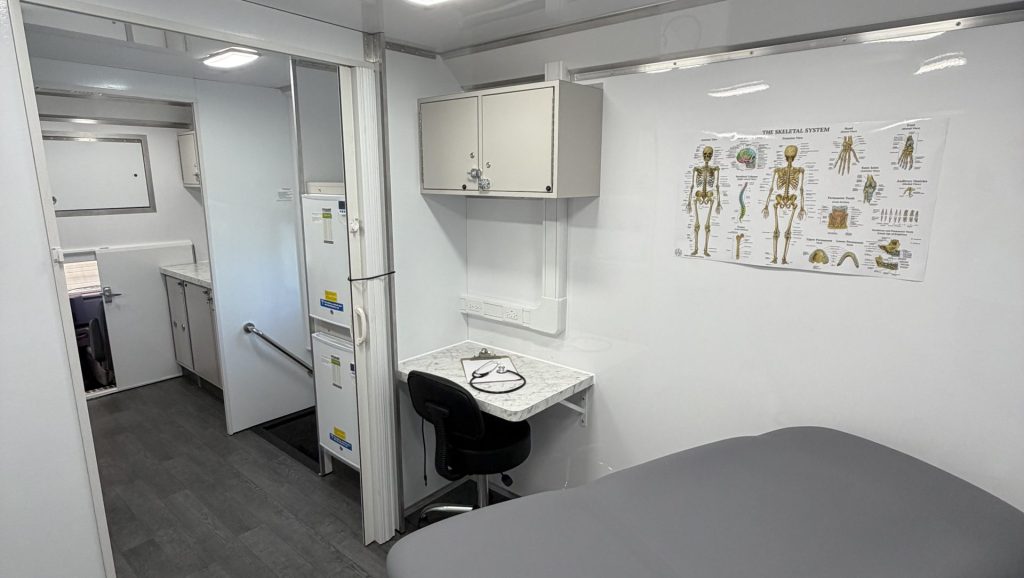
Ask for a proposal and floor plan that identify the agreed vehicle, layout, installed systems, equipment integration, and selected options. The scope should be detailed enough for your operating team to assess.
What the Program Operator Organizes
The operator prepares and runs the service program. That includes choosing the services offered and organizing the qualified people who will deliver them.
It also includes planning the calendar, patient or animal intake, appointments or event arrangements, records, follow-up, supplies, and day-to-day responsibilities.
For healthcare, dental, or veterinary programs, the clinical team defines its care procedures and equipment requirements. Buying a vehicle does not provide the clinicians, approvals, or operational arrangements needed to deliver those services.
If your organization uses an external operator, document what that agreement includes. Review staffing, scheduling, services, reporting, vehicle use, maintenance duties, and the boundaries between partners.
Invite the operating team into the vehicle review early. The people who will work inside the unit can identify layout and installation requirements before they become late changes.
Where Equipment and Utilities Need Clear Handoffs
Equipment is a common point where responsibilities meet. An item can be supplied by one party, installed by another, and operated and maintained by a third.
Create an equipment schedule with model numbers, dimensions, utility needs, mounting requirements, and delivery dates. Identify whether each item is in the builder’s quote or supplied by your organization.
Agree on the installation and checking scope. Clarify which tests the builder performs, which the equipment supplier performs, and which the program must complete before using the device.
Use the same approach for records systems and connectivity. Vehicle hardware, service subscriptions, software access, network coverage, and staff training may involve different providers.
Host-site utilities also need an owner. The vehicle proposal may specify a connection; the program still needs to coordinate the suitable site arrangement and who manages it during operation.
A detailed handoff plan makes these boundaries visible. Keep equipment decisions connected to the floor plan and vehicle systems as the project develops.
How Delivery Connects to Program Launch
Delivery is a transition between building and operating. Plan the walkthrough with the people responsible for driving, setup, installed systems, equipment, and ongoing care of the vehicle.
Ask what documentation and instruction are included, who should attend, and which tasks your team must practice before the first service day.
Agree on how any open items will be recorded and resolved. Compare the delivered unit with the agreed scope and the checks your team has prepared.
Set up the program’s own launch checklist for staffing, locations, supplies, scheduling, communications, and the approvals or procedures its work requires.
Magnum’s delivery and support stage provides a vehicle handoff. Your operator’s preparation turns that handoff into a planned service launch.
Who Handles Daily Checks, Maintenance, and Support
Support and daily operation work together. Identify the people responsible for routine checks, maintenance scheduling, service records, and contacting the appropriate supplier when an issue arises.
Clarify which issues relate to the chassis, coach, installed equipment, connectivity service, or operating program. Different systems may have different service channels and terms.
Discuss the support process before you need it: information to provide, how a request is submitted, where work may be performed, and the documentation your team should keep.
Keep the responsibility checklist current as staff or partners change. The unit’s daily operator should know who handles each system and which tasks are part of its own routine.
Explore Magnum’s support information and confirm the arrangements relevant to your configuration. Pair that with a practical operating plan your organization can sustain.
Mobile Clinic Manufacturer and Operator FAQs
Does a mobile clinic manufacturer provide the medical or veterinary team?
Do not assume it does. Magnum manufactures vehicles and does not provide healthcare, veterinary, or transportation services. Your organization must arrange the program’s operating team or a separate operator.
Is medical equipment automatically included with the vehicle?
Confirm the actual proposal. List each item, who supplies it, and the agreed installation and checking responsibilities. Photos and broad descriptions do not replace a configured equipment scope.
Can we purchase a clinic and use a separate program operator?
That is a structure your organization can evaluate with the relevant partners. Define the operator’s scope and involve it in reviewing the vehicle requirements, responsibilities, and handoff.
What should we discuss with Magnum first?
Describe your mission, services, operating team, equipment, access needs, locations, budget, and launch goals. Identify decisions still open so the consultation can focus on the vehicle configuration and project scope.
Plan the Vehicle Side of Your Program with Magnum
Give your program a builder that works from its requirements. Magnum’s consultation, configurable layouts, manufacturing, and delivery support help your team develop the vehicle side of its mobile-service plan.
Explore Magnum’s mobile clinics and specialty vehicles and bring your operating team into the configuration discussion.
Prepare with the healthcare buyer guide or animal care buyer guide, depending on your program.
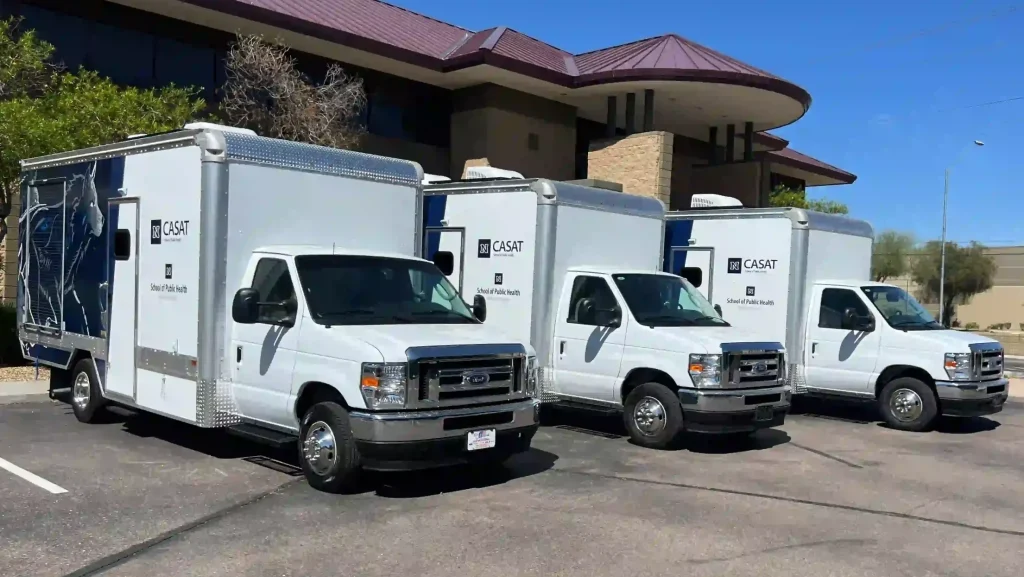
Explore Magnum Mobile Vehicles
Connect the vehicle scope with your operating plan.
Explore Magnum’s vehicles and discuss the layout, systems, equipment integration, and delivery requirements your team needs.
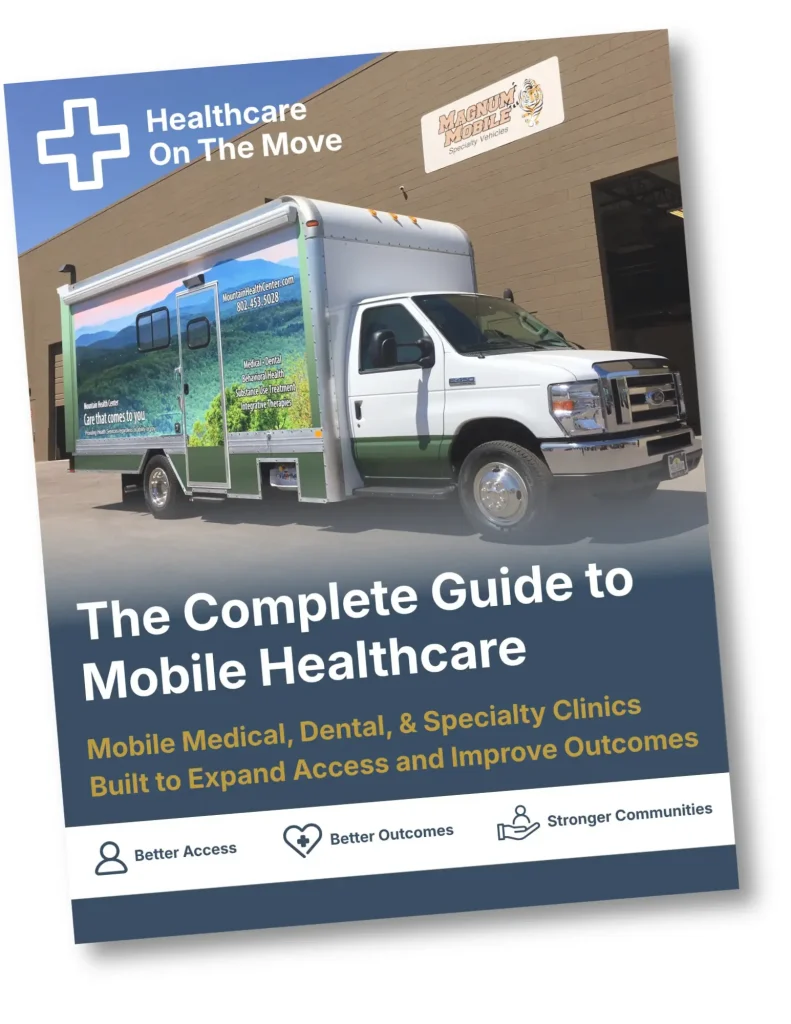
Mobile Healthcare Buyer Guide
Use Magnum’s mobile healthcare buyer guide to organize your program’s vehicle-planning questions.
Trusted Nationwide
Trusted by Leading Healthcare Organizations
Trusted by healthcare providers, public agencies, universities, and nonprofit organizations to deliver high-quality mobile specialty vehicles.







Built to Support
Organizations Across Every Sector
Delivering mobile solutions for healthcare, education, government, nonprofit, and commercial applications.
Healthcare
Education
Government
Non-Profit
Public Safety
Corporate
Ready to Get Started
Let’s Build a Solution That Moves Care Forward
Tell us about your operation and our team will help build the right mobile vehicle solution for your needs.