
Mobile Clinic Operating Costs
What to Include in a Mobile Clinic Operating Budget
Budget for the Full Operation Behind Each Mobile Visit
Quick answer
A mobile clinic operating budget should include staffing, clinical supplies, travel, power and connectivity, insurance, maintenance, storage, administration, and follow-up. Keep vehicle acquisition and startup costs identifiable, document the service schedule behind each estimate, and compare the recurring costs with confirmed funding and payment timing.
The purchase quote is one part of a mobile program’s financial plan. The ongoing budget explains what it takes to prepare the unit, deliver services, keep it available, and support patients after each visit.
Build the budget around the actual operating plan: services, staffing, locations, miles, deployment days, and expected appointment activity. A spreadsheet is easier to review when those assumptions are visible beside the costs.
Magnum Mobile can help clarify the proposed vehicle configuration and equipment integration. Bring that information into your program budget while your own finance and operating teams develop the service costs and funding plan.
Define the Operating Assumptions Behind the Budget
Describe the operation before estimating its costs. List the assumptions the team expects to use and mark which ones are confirmed, provisional, or still being researched.
Services and schedule: Specify the intended services, deployment days, service hours, setup time, and activities that happen between visits.
Team and travel: Record staffing roles, total work time, travel routes, expected miles, and transportation arrangements.
Activity: Identify expected appointments, likely attendance, supplies per service, and the evidence supporting those estimates.
Mobile Health Map’s startup resources recommend planning operations and finances for the initial three to five years. Use a longer view to discuss how the program will continue after launch.
Separate Startup Purchases From Recurring Costs
Keep acquisition, startup, and recurring costs distinguishable even when they appear in the same overall plan. This makes it clearer which expenses repeat and which are tied to getting the program ready.
Startup items may include the vehicle, initial equipment and supplies, branding, systems setup, training, and deployment preparation. Confirm what each quote includes before adding separate estimates for the same item.
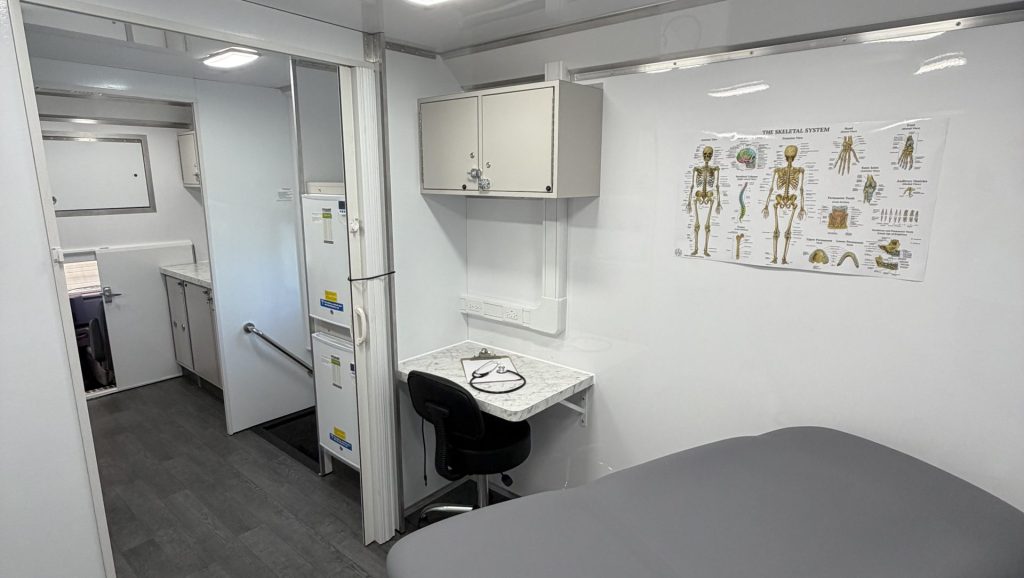
For recurring items, record frequency and the basis of the estimate. Your finance team can decide the appropriate accounting treatment while the program team ensures the operational costs are represented.
Include Staffing and the Complete Service Workflow
Staffing and clinical operations extend beyond the patient encounter. Use the full task map so the budget includes preparation, travel, care, documentation, cleaning, and follow-up.
Personnel: Include the roles, total working time, benefits or contracted charges, coverage, training time, and administrative support in your organization’s model.
Supplies: List consumables and replenishment by service, along with storage, handling, and disposal arrangements that the operating plan requires.
Equipment services: Review supplier costs for upkeep, consumables, software, calibration, or service agreements where applicable to the selected equipment.
Patient support: Account for appointment coordination, communication, records, referrals, and results or other follow-up responsibilities.
Account for Deployment, Utilities, and Vehicle Upkeep
Review the costs of keeping the vehicle ready and moving it between locations. A donated parking space or host utility connection does not automatically cover the rest of the deployment costs.
Travel and sites: Include fuel, route mileage, parking or host charges where applicable, and the transport arrangements your program will use.
Utilities and technology: Estimate power, connectivity, water-related services where relevant, communication tools, and the systems supporting the planned workflow.
Vehicle availability: Budget for routine maintenance, repairs, inspections, cleaning, storage, and the support needed when the unit is unavailable.
Insurance and administration: Ask the responsible teams for estimates covering the vehicle and program, applicable fees, purchasing support, and other organizational overhead.
Discuss the selected configuration and support arrangements with Magnum. Coordinate the resulting vehicle information with supplier estimates and your team’s upkeep plan rather than assuming every operating expense is covered by the purchase.
Review Funding Commitments and Cash Timing
List funding sources beside the expenses they are expected to cover. Identify whether support is confirmed, restricted to certain uses, time-limited, or still an application or proposal.
Recurring support: Review the commitments intended to cover the ongoing team, services, and vehicle operation.
Revenue assumptions: Have the responsible team validate any reimbursement or payment estimates. Do not treat every planned appointment as an attended, payable encounter.
Cash timing: Show when expenses fall due and when funding or payments are expected to arrive. A balanced annual total can still hide a gap during the year.
Review a lower-activity or delayed-funding scenario with finance leadership. Decide how service commitments would be adjusted and which assumptions need confirmation before approving the program.
Compare Actual Costs With the Operating Plan
Assign someone to compare the budget with actual spending and operating activity. Use the review to improve the plan rather than waiting until funds are nearly exhausted.
Cost tracking: Record vehicle, staffing, clinical, and administrative costs consistently, including shared resources contributed by the parent organization.
Activity tracking: Compare deployments, miles, service hours, appointments, and staffing time with the assumptions used to build the budget.
Change control: Update the budget when services, equipment, routes, staffing, or host arrangements change. Record who reviews the revised commitments.
Bring vehicle-related findings back into planning discussions. Magnum can discuss configuration and support questions as your program defines what it needs for dependable ongoing operation.
Mobile Clinic Operating Budget FAQs
Is the vehicle purchase price the full mobile clinic budget?
No. The overall plan also needs startup preparation and recurring operating costs such as staffing, supplies, travel, utilities, administration, and upkeep.
What is the annual cost of operating a mobile clinic?
There is no single cost that fits every program. Build an estimate from your services, staffing, schedule, miles, equipment, and support arrangements using current quotes and documented assumptions.
Should donated resources appear in the budget?
Record what is contributed, who provides it, and how long the commitment lasts. Your finance team can determine how it is represented, while the operating plan identifies any dependency on that support.
How often should the operating budget be reviewed?
Set a regular review schedule with your finance and program teams, and review it when services or operating assumptions change. Compare actual costs and activity with the approved plan.
Clarify Your Vehicle Budget With Magnum
Magnum Mobile can help define the specialty vehicle part of your operating plan. Clear decisions about layout, equipment integration, utilities, and deployment give your team more specific inputs for its budget.
Explore Magnum’s vehicle configurations and build process to prepare for a consultation around your services and operating requirements.
Request the Mobile Healthcare Buyer Guide for practical planning considerations covering vehicle selection, layouts, and equipment needs.
Ready to clarify the vehicle requirements behind your program budget? Contact Magnum Mobile with your service plan, deployment assumptions, and equipment list to discuss a configured quote.
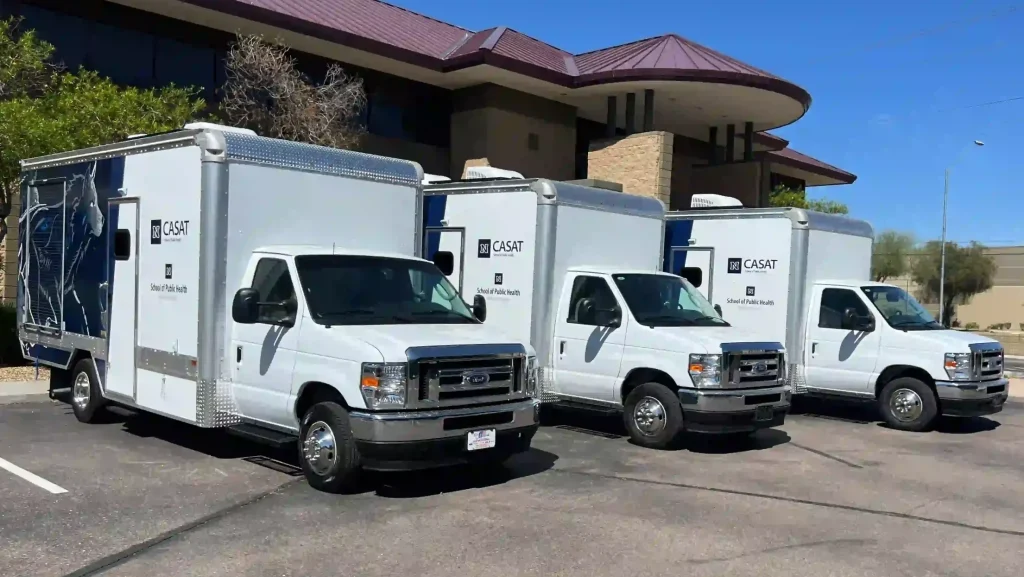
Discuss Your Vehicle
Bring your service plan, equipment needs, and deployment assumptions to a Magnum consultation.
Discuss a vehicle configuration that gives your program team clearer budgeting inputs.
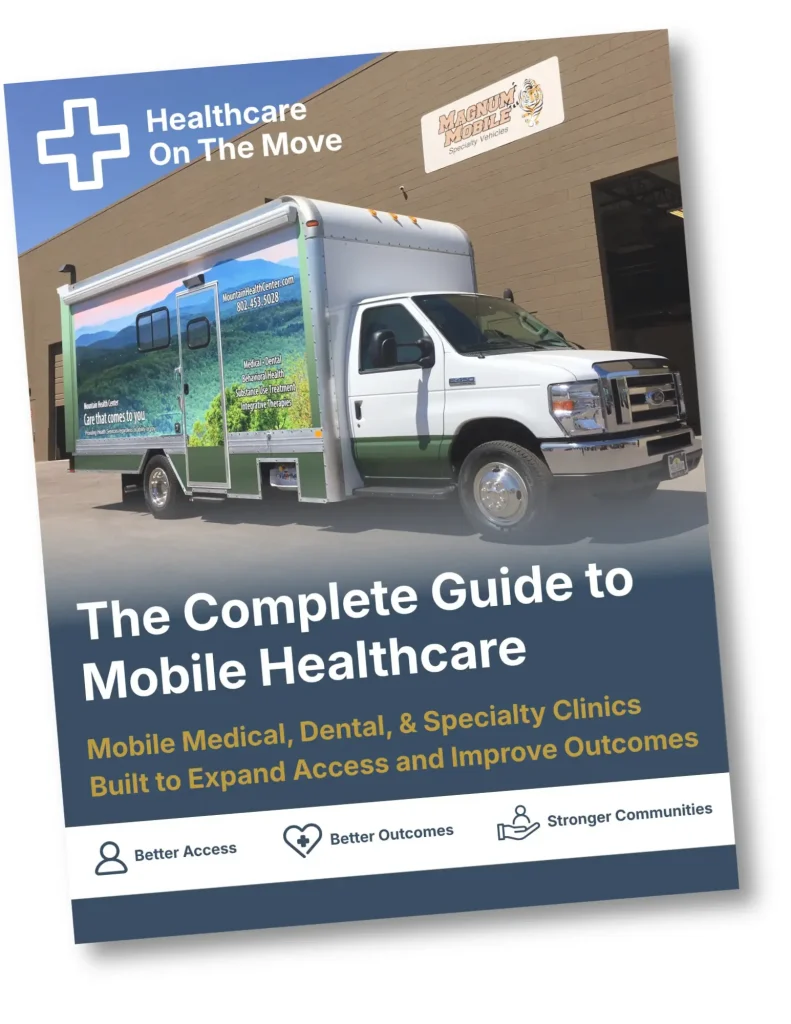
Get the Free Buyer Guide
Get planning considerations for services, layouts, equipment, and vehicle selection.
Trusted Nationwide
Trusted by Leading Healthcare Organizations
Trusted by healthcare providers, public agencies, universities, and nonprofit organizations to deliver high-quality mobile specialty vehicles.







Built to Support
Organizations Across Every Sector
Delivering mobile solutions for healthcare, education, government, nonprofit, and commercial applications.
Healthcare
Education
Government
Non-Profit
Public Safety
Corporate
Ready to Get Started
Let’s Build a Solution That Moves Care Forward
Tell us about your operation and our team will help build the right mobile vehicle solution for your needs.