
Mobile Clinic Storage • Overnight Parking and Readiness
How to Prepare a Mobile Clinic for Overnight Parking and Storage
Plan where your clinic rests and how it returns to service
Quick answer
Prepare mobile clinic storage by confirming a secure parking location, vehicle access, system instructions, equipment and supply requirements, weather preparation, and staff responsibility. Use separate checklists for an overnight stop and longer storage, then review readiness before the vehicle returns to service.
Mobile clinic storage is part of deployment planning. Where the vehicle remains between visits affects security, preparation time, maintenance access, and the next service day.
An overnight stop during an active schedule differs from taking a unit out of service for weeks or a season. Define the situation first so your team can follow the appropriate vehicle and equipment instructions.
Magnum Mobile can discuss storage needs during vehicle planning. Explore our mobile medical clinics and mobile dental clinics, then bring your parking and operating plans to our team.
1. Define the storage situation
Begin with where, how long, and under whose supervision the vehicle will remain parked. These details help identify the preparation and support it needs.
Between daily visits: Describe the normal closing routine and next departure. Include restocking, cleaning, equipment readiness, and any checks your program requires overnight.
Away from home base: Confirm the host’s permission, access hours, available utilities, and responsible contact. Decide how staff will reach the unit and respond to an issue.
Extended storage: Identify the expected inactive period and follow applicable chassis, vehicle-system, and equipment instructions. Longer storage can require different preparation and return-to-service tasks.
Changing conditions: Include seasonal weather and the possibility that the next visit moves to another site. Record who reviews the plan when the storage period or location changes.
2. Review the parking location
Evaluate the proposed parking location for the actual vehicle. Confirm both the space needed to remain parked and the access needed for preparation or departure.
Security and responsibility: Agree on site authorization, key control, access permissions, and who responds to a concern. Magnum’s support guidance recommends secure, well-lit parking where possible as a theft-deterrence consideration.
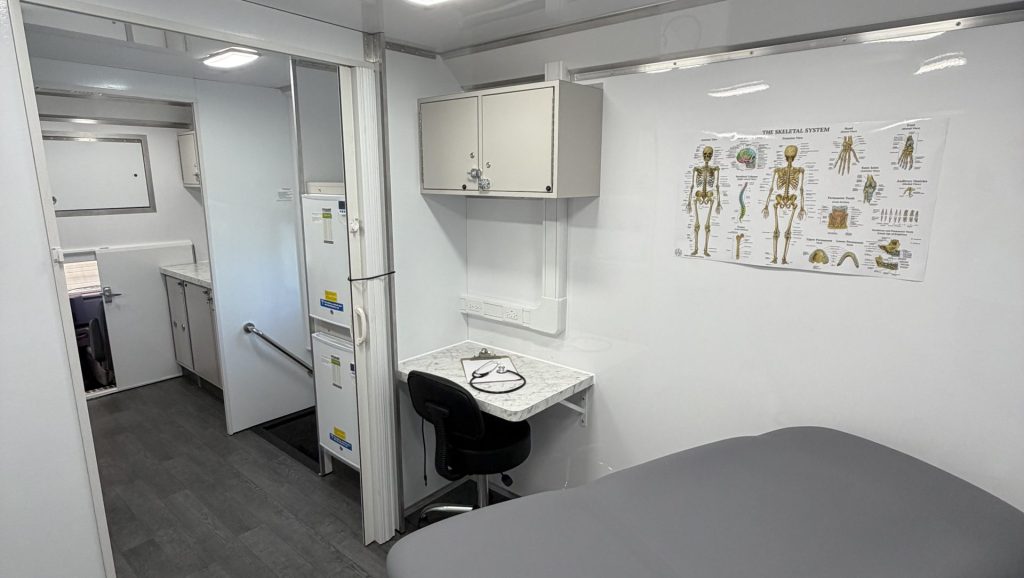
Vehicle and staff access: Review entry clearance, turning space, parking restrictions, and the ability to reach doors or required service areas. Include the tow vehicle and trailer combination where applicable.
3. Prepare vehicle systems
Use the documentation for the completed unit to create system-specific preparation tasks. A general parking checklist does not replace equipment instructions.
Power arrangements: Identify which systems, if any, need power while parked. Confirm the approved connection, availability, responsibilities, and response if power is interrupted with the appropriate technical team.
Water systems: Review closing, inactive-period preparation, and seasonal requirements. Ask how freezing exposure should be addressed and who verifies readiness before reuse.
Chassis and installed equipment: Follow the relevant storage and maintenance guidance. Keep manuals and service contacts accessible to the person responsible for the unit.
Exterior readiness: Confirm that doors, compartments, and deployed features are prepared according to the vehicle instructions. Record unresolved concerns so the next driver does not inherit an undocumented issue.
4. Manage supplies and equipment
Decide what may remain onboard and what must return to another approved location. Your clinical and operational teams should define the requirements for their supplies and equipment.
Storage conditions: Verify the requirements for each item and the proposed overnight or inactive-period arrangement. A temperature-controlled cabin does not automatically establish suitable conditions for every supply.
Monitoring and interruptions: Identify any checks required by your program and what happens if conditions cannot be maintained. Assign responsibility for reviewing an alert or failed check.
Equipment readiness: Follow manufacturer guidance for shutdown, inactive periods, and preparation for use. Review the actual models installed rather than using a generic procedure.
Cleaning and restocking: Separate tasks performed after a visit from tasks completed before departure. Confirm the staff, supplies, and time needed at the storage location.
Records and belongings: Follow your organization’s policies for information, valuables, and staff items. Include these responsibilities in the closing handoff.
5. Assign checks and handoffs
A reliable plan names who closes the unit, checks it while parked, and authorizes its next deployment. Make the handoff easy for different staff members to follow.
Closing record: Document completed tasks, the parking location, access arrangements, and any system or maintenance issue. Record who received the handoff.
Checks while parked: Set the schedule and responsibilities using the applicable instructions and your organization’s needs. Confirm access for authorized staff and service providers.
Return-to-service review: Verify required inspections, system preparation, supplies, and equipment readiness before leaving for the next site. Address concerns through your program’s normal review process.
Schedule changes: If the next visit is delayed, reassess the plan instead of extending an overnight arrangement indefinitely. Confirm whether additional preparation or checks are required.
6. Bring storage needs to Magnum Mobile
Storage arrangements can inform the vehicle conversation before the build is finalized. Share the location, utilities, climate, and tasks your team expects to complete there.
Describe the usual parking pattern: Explain whether the vehicle returns to one base, stays with hosts, or moves between storage locations. Include extended inactive periods you expect.
Explain support availability: Identify access to approved utilities, restocking, cleaning, maintenance, and responsible staff. Flag what remains uncertain so it can be discussed.
Request the relevant guidance: Ask which manuals, training resources, and system-specific instructions will support your team’s closing and readiness routines.
Review Magnum’s consultation-to-delivery process and support resources, then discuss your storage plan with our team. Clear ownership planning helps connect the vehicle with your real operation.
Frequently Asked Questions About Mobile Clinic Storage
Can a mobile clinic remain parked at a host site overnight?
Confirm the host’s permission, vehicle access, security arrangements, required utilities, and staff responsibilities. Review the actual unit’s preparation needs before relying on an overnight location.
Does a stored clinic need to stay connected to power?
It depends on the installed systems and what remains onboard. Review the vehicle and equipment instructions, approved connection, monitoring needs, and interruption plan with the appropriate technical and program teams.
Can supplies remain inside the vehicle while it is stored?
Your responsible clinical team should verify each item’s storage requirements and the conditions the unit can maintain. Define monitoring, removal, and interruption procedures before leaving supplies onboard.
What changes when storage lasts longer than one night?
Review the expected inactive period against the chassis, system, and equipment instructions. Longer storage may require additional preparation, checks, maintenance, and a return-to-service review.
Plan Ownership With Magnum Mobile
Include life between visits in your vehicle plan. Bring your parking locations, storage periods, utilities, and readiness routines to Magnum Mobile.
Explore mobile medical vehicles and mobile dental vehicles for your program.
Request the free Mobile Healthcare Buyer Guide for broader purchase planning.
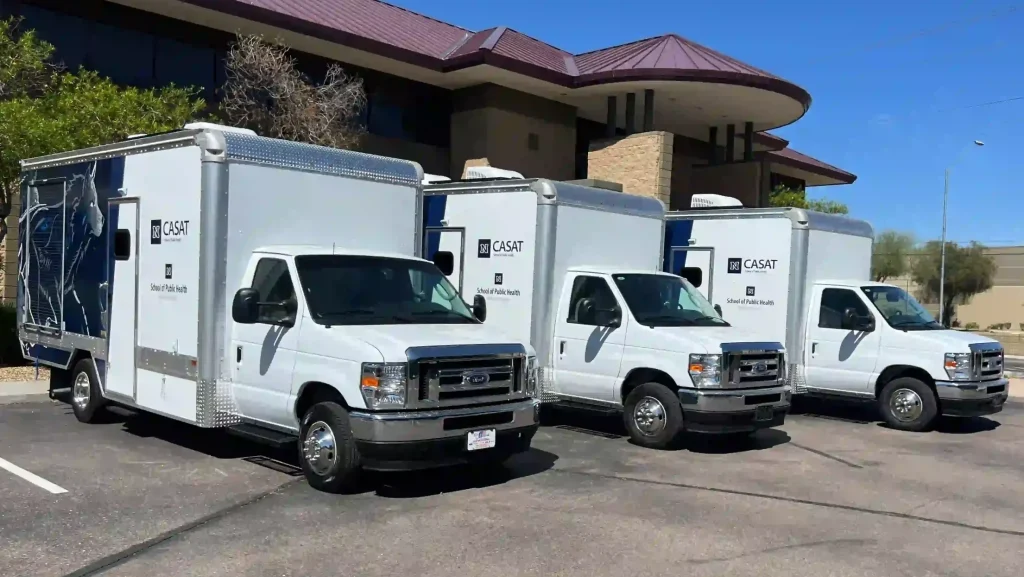
Discuss Your Vehicle
Review mobile medical clinic options alongside your storage plan.
Explore mobile dental clinic options for your team.
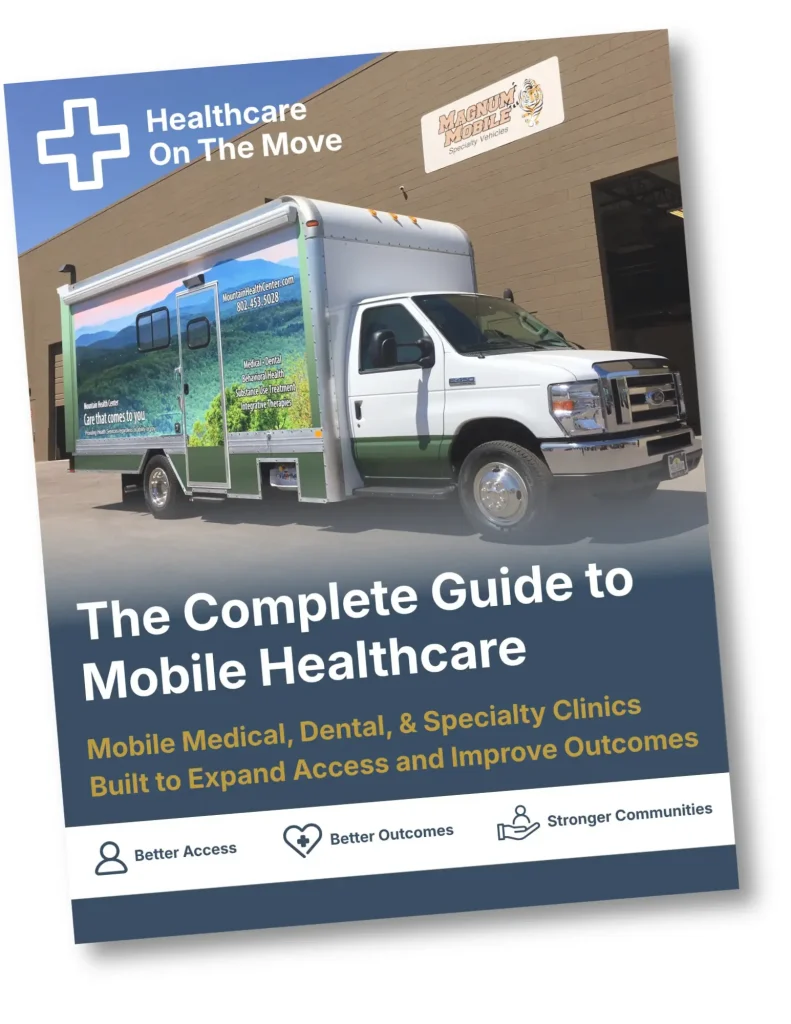
Get the Free Buyer Guide
Request the Mobile Healthcare Buyer Guide through the guide page.
Trusted Nationwide
Trusted by Leading Healthcare Organizations
Trusted by healthcare providers, public agencies, universities, and nonprofit organizations to deliver high-quality mobile specialty vehicles.







Built to Support
Organizations Across Every Sector
Delivering mobile solutions for healthcare, education, government, nonprofit, and commercial applications.
Healthcare
Education
Government
Non-Profit
Public Safety
Corporate
Ready to Get Started
Let’s Build a Solution That Moves Care Forward
Tell us about your operation and our team will help build the right mobile vehicle solution for your needs.