
Mobile Program Pilot Planning
How to Pilot a Mobile Program Before Committing to a Vehicle
Test the Program’s Key Questions Before Choosing a Vehicle
Pilot a mobile program by choosing a small set of questions, running a limited outreach service with appropriate resources, and documenting what happens. Test demand, host suitability, staffing, visit workflow, and follow-up where practical. Use the findings to refine the program and vehicle brief before making a purchase commitment.
A pilot should answer a decision, not simply create an event. Identify what your organization needs to learn and how the results will influence services, scheduling, staffing, or vehicle requirements.
Some questions can be tested through a suitable partner-hosted service or an existing outreach arrangement. Others require access to an appropriately configured vehicle. Be clear about what the chosen format can and cannot demonstrate.
Magnum Mobile can discuss early vehicle requirements while your team tests the operating model. Sharing the proposed services and open questions can help identify which findings will matter to the eventual layout and equipment plan.
Use these steps to design a focused pilot and turn the experience into practical information for the next planning decision.
Choose the Decisions Your Pilot Should Inform
List the assumptions creating uncertainty in the proposal. Choose a manageable group that the pilot can reasonably investigate.
Demand question: Will the intended audience use the proposed service at this location and time, given the planned communication and appointment approach?
Workflow question: Can the team manage intake, care, documentation, turnover, and departure within the proposed operating day?
Partner question: Can the host support access, outreach, space, utilities where needed, and communication when the schedule changes?
For each question, write the decision it informs, the evidence you will collect, and the person responsible. Avoid trying to prove the entire long-term program through one short test.
Select a Suitable Format and Understand Its Limits
Select the pilot format around the services and questions. Use a setting and equipment that the qualified clinical and operations teams consider appropriate for the proposed activities.
A partner-hosted outreach session may help test scheduling, communication, attendance, and follow-up. It may not establish whether a particular vehicle’s rooms, utilities, or setup footprint will work.
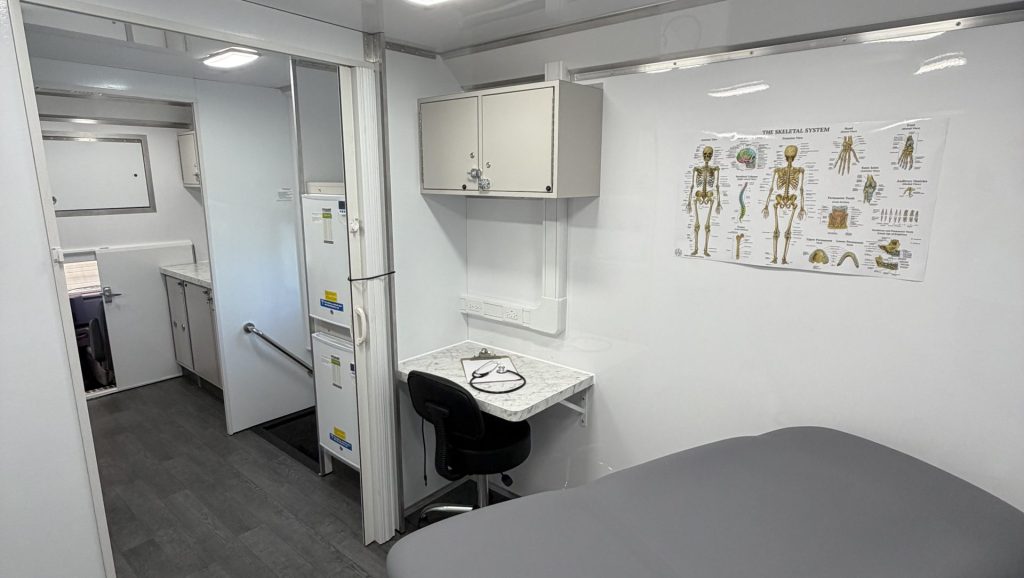
If a suitable existing mobile unit or other vehicle arrangement is available, confirm the configuration, responsibilities, support, and operating conditions before using it. Do not assume Magnum provides rental or pilot vehicles; discuss your project needs directly.
Prepare Services, Staff, Hosts, and Backup Plans
Build a small operating plan with defined services, sites, dates, staff, supplies, communication, and backup arrangements. The pilot still needs accountable preparation.
Service boundaries: State what the team will provide and what will be handled elsewhere. Have the responsible professionals define the clinical or service protocols.
Staff roles: Assign care, intake, documentation, host coordination, supplies, setup, and follow-up. Include driving responsibilities if a vehicle is involved.
Host arrangements: Confirm permission, access, waiting arrangements, utilities, schedule communication, and the contact responsible for the site.
Changes and interruptions: Decide how cancellations, weather, staff absence, equipment issues, and unavailable space will be handled and communicated.
Collect a Small Set of Useful Operational Measures
Choose a small set of measures that answers the pilot questions. Document definitions so the team records consistent information across sessions.
Participation: Record inquiries, bookings, attendance, and completed visits separately. Note how people heard about the service and the barriers they describe.
Time and workload: Observe preparation, travel where applicable, setup, appointments, documentation, cleaning, restocking, and shutdown.
Follow-up: Track the handoffs relevant to the service, such as referral actions or subsequent appointments, with the responsible team.
Resources and feedback: Record supplies used, staff time, costs the team identifies, host observations, and patient or client feedback.
Keep data collection appropriate to the program and its established privacy practices. A vehicle planning discussion can use summarized operational findings without sharing individual patient records.
Interpret the Results With Their Context
Review results against the starting assumptions and the conditions of the test. Explain the context before applying the findings to a larger program.
What worked: Identify the service, scheduling, host, communication, or workflow choices that supported the intended experience.
What needs adjustment: Describe bottlenecks, missed handoffs, access problems, or resource gaps. Give each proposed change an owner.
What remains uncertain: Separate questions the pilot answered from those requiring another session, equipment review, site check, or vehicle consultation.
A single event can be affected by timing, outreach, weather, or its host. Use the findings as evidence with limits, and avoid presenting one attendance figure as guaranteed future demand.
Turn Pilot Findings Into a Vehicle Brief
Translate the useful findings into requirements for the next stage. The output should be a clearer program and vehicle brief, not only a summary of attendance.
Service and staffing: Update the initial offering, appointment approach, roles, operating schedule, and follow-up responsibilities.
Space and equipment: Document movement, privacy, storage, equipment access, and utilities that need to be discussed in the design.
Deployment and resources: Revise host-site requirements, routes, setup tasks, supplies, recurring costs, and backup arrangements.
Decide whether to continue testing, refine the model, request a vehicle proposal, or reconsider the approach. Make the decision using the evidence and the remaining questions.
Mobile Clinic Pilot Program FAQs
Do we need a vehicle to pilot every part of a mobile program?
Some questions, such as scheduling and attendance, may be tested through a suitable outreach arrangement. Vehicle-specific layout, utilities, access, and setup questions need an appropriate vehicle review or test.
How long should a mobile clinic pilot last?
Choose the duration around the questions, service schedule, and evidence needed. There is no universal period; one event may leave important attendance or workflow questions unresolved.
What should we measure during a pilot?
Select measures tied to the decision, such as attendance, visit workflow, staff workload, host reliability, follow-up, and resources used. Keep definitions and collection responsibilities clear.
When should we involve a vehicle manufacturer?
Discuss the initial service model and open vehicle questions early. After the pilot, share summarized findings that affect rooms, equipment, storage, utilities, staffing, or deployment.
Discuss the Next Vehicle-Planning Step With Magnum
Magnum Mobile helps organizations turn an operating concept into specialty vehicle requirements. Pilot findings can give that conversation a concrete basis in your team’s experience.
Explore Magnum’s vehicle configurations and consultation-to-delivery process. Bring your revised service brief and the vehicle questions the pilot could not resolve.
Request the Mobile Healthcare Buyer Guide for considerations covering services, staffing, layouts, equipment, and vehicle selection.
Ready to discuss the next stage? Contact Magnum Mobile with your program plan and pilot findings to explore a configuration around the intended operation.
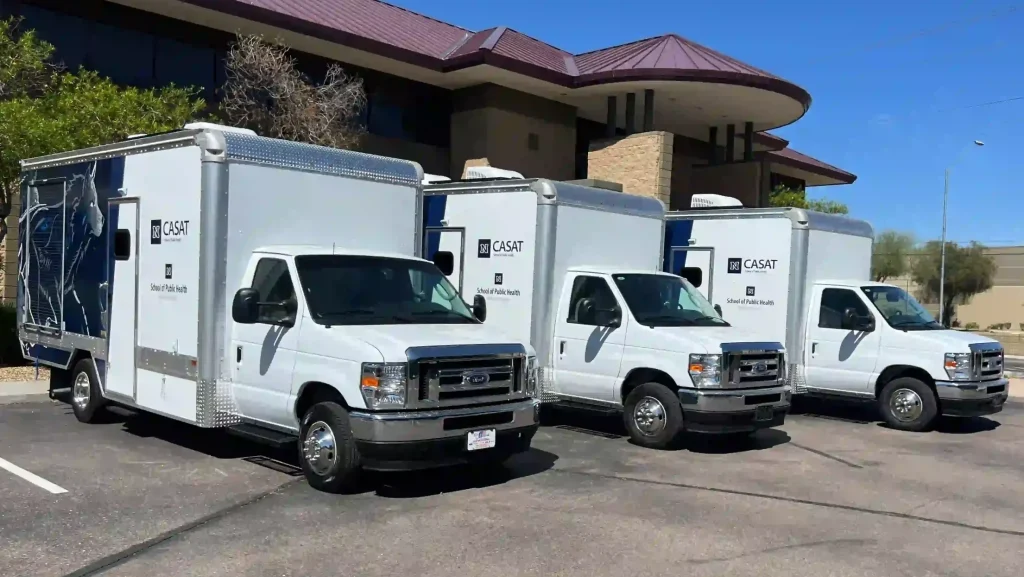
Discuss Your Pilot Findings
Bring your pilot findings, revised workflow, and open vehicle questions to a Magnum consultation.
Explore vehicle configurations around what your team has learned from outreach testing.
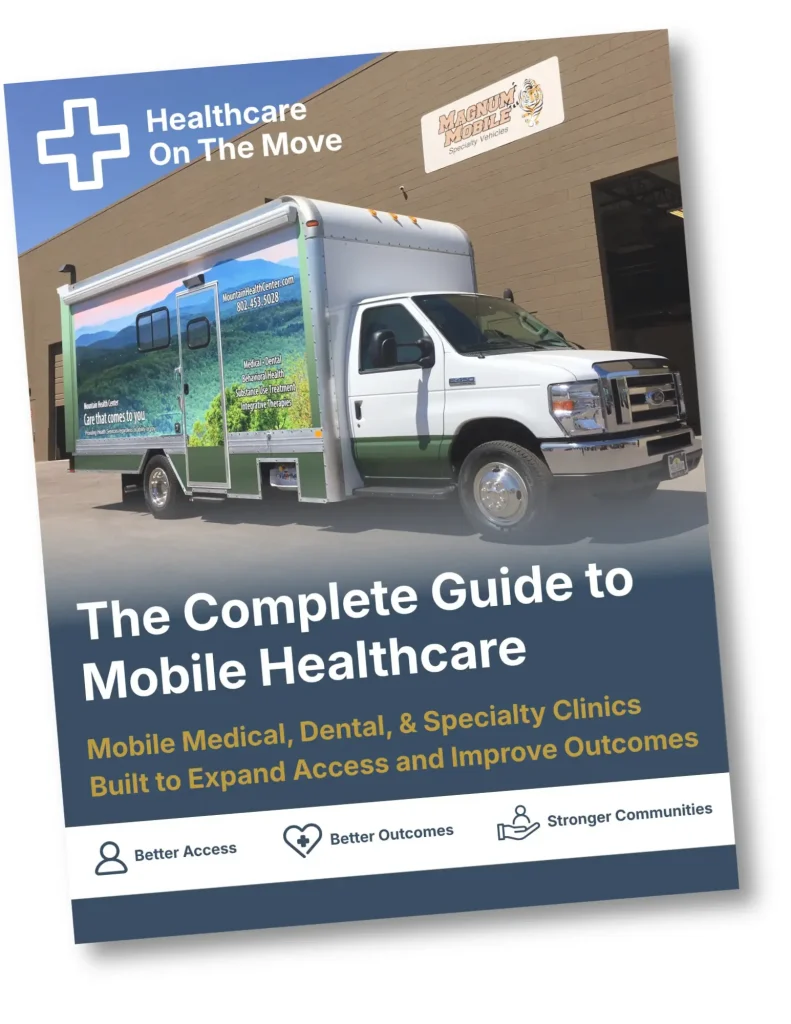
Explore Magnum Vehicle Options
Request the Mobile Healthcare Buyer Guide to prepare for your next vehicle-planning step.
Trusted Nationwide
Trusted by Leading Healthcare Organizations
Trusted by healthcare providers, public agencies, universities, and nonprofit organizations to deliver high-quality mobile specialty vehicles.







Built to Support
Organizations Across Every Sector
Delivering mobile solutions for healthcare, education, government, nonprofit, and commercial applications.
Healthcare
Education
Government
Non-Profit
Public Safety
Corporate
Ready to Get Started
Let’s Build a Solution That Moves Care Forward
Tell us about your operation and our team will help build the right mobile vehicle solution for your needs.