
Mobile Clinic Board Proposal
How to Present a Mobile Clinic Proposal to Your Board
Lead with a clear decision request, then connect need, services, vehicle scope, costs, and accountability.
Present a mobile clinic proposal to your board by leading with the decision you need, then showing the community need, service plan, vehicle scope, resources, and measures that support it. Give members a concise presentation and a written proposal with the detail they need to assess the request.
A board presentation turns the program plan into a decision. Its job is to help members understand the opportunity, the commitments involved, the assumptions still open, and the next step you recommend.
Connect the project to your organization’s mission in concrete terms: whom the program would serve, where it would operate, and how those activities fit existing services. Bring evidence your team can explain and questions you are prepared to answer.
Magnum can help make the vehicle part of the discussion tangible through configurations, layouts, installed systems, and a defined proposal. Your team brings the local need, clinical model, staffing, and funding plan that guide that scope.
Ask for a clear next step. Approval to investigate, run a pilot, or purchase a configured vehicle involves different commitments. State which decision is on the table.
Organize the Proposal Around the Board’s Decision
Suggested board presentation order
- The decision requested
- The community need and service model
- The vehicle scope and alternatives considered
- Acquisition and ongoing operation
- Assumptions, responsibilities, and results
- The next steps following approval
Build the presentation around the board’s decision. Put detailed equipment lists, budget worksheets, and supporting materials in an appendix so members can review them without losing the main argument.
Ask your internal sponsor about the agenda, available presentation time, materials deadline, and decision process. Plan your summary and supporting documents around those arrangements.
Use the same service scope and assumptions in the presentation, budget, and vehicle proposal. Conflicting versions make it harder for members to understand what they are approving.
Discuss the vehicle requirements through a Magnum consultation before presenting a configuration as the basis of the request.
Explain the Community Need and Service Model
Open with the access problem and the proposed response. Describe the intended community, the services needed, and why selected mobile locations would help your organization address that need.
Use a small number of relevant local facts or partner observations your team can support. Explain the source, the time period, and the connection to the proposed service schedule.
Explain how the program connects with existing care, referrals, and follow-up. Members should understand the service being proposed beyond the arrival of a vehicle.
Make the Vehicle Scope and Alternatives Concrete
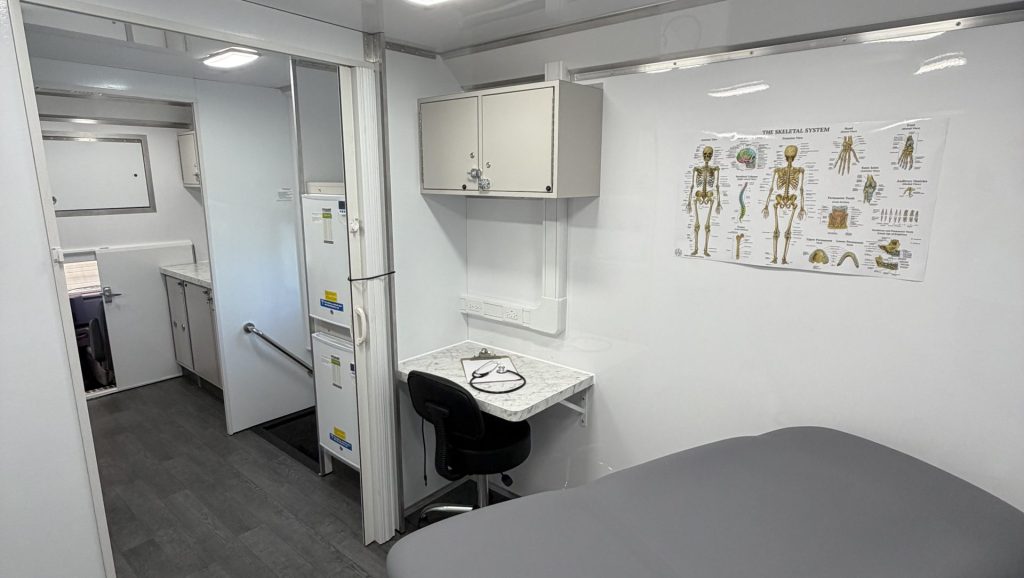
Show a vehicle configuration tied to the program’s work. A floor plan can help members see patient flow, staff work areas, equipment, storage, privacy, and access.
Identify the proposed format and important installed systems, then explain why they matter for the selected services and operating locations. Label a conceptual layout as conceptual if design decisions are still open.
Describe the alternatives you considered, such as other layouts, vehicle formats, or approaches through existing sites and partners. Explain the criteria used to narrow the options.
Use Magnum’s mobile medical clinic options to illustrate the available range, then anchor the request to the actual configuration and scope under review.
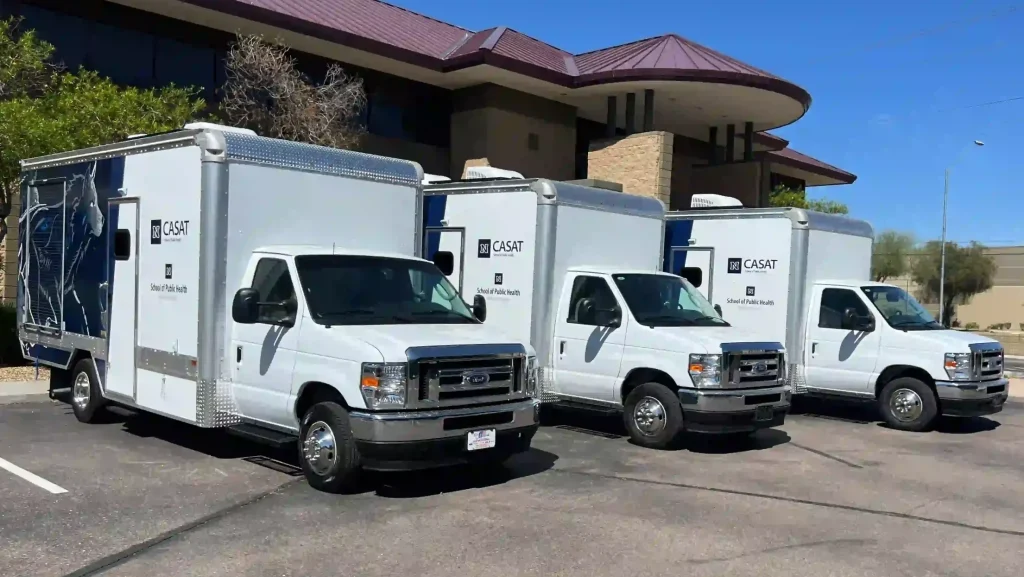
A vehicle photograph makes the concept easier to understand. Pair it with the relevant layout and scope so a representative image does not imply equipment or options outside the proposal.
Present Acquisition and Operating Resources Clearly
Explain both acquisition and ongoing operation. Show the proposed vehicle investment separately from the resources required to staff, travel, supply, maintain, and manage the program.
Identify the quote date, configuration, included items, exclusions, and decisions still affecting scope. Bring the detailed proposal as supporting material rather than reducing the purchase to an unexplained total.
Explain the operating estimate using the planned service days, staff roles, travel, equipment, supplies, and upkeep. State who reviewed it and which estimates still need confirmation.
Show committed support separately from funding that is being sought. If support comes with conditions or ends after a defined period, explain the implications for the plan.
Discuss a review period agreed with finance and leadership. Members need to understand how recurring operation will be supported after acquisition and initial launch activities.
Use clearly labeled scenarios for important uncertainties. Explain what a change in demand, staffing, funding, or scheduling would mean for the proposed resources and next decisions.
Explain Responsibilities, Readiness, and Results
Show who will make the program work. Identify the internal sponsor, operating lead, clinical leadership, and owners of finance, staffing, sites, and vehicle preparation.
Describe the work required between approval and service launch: confirming partners, finalizing requirements, preparing staff, coordinating equipment, and setting the operating calendar.
Distinguish confirmed commitments from conversations in progress. A potential host or funding partner should not appear as a secured resource until your team has confirmed the arrangement.
Define a few measures your team can collect consistently, such as service days, visits, access feedback, completed follow-up steps, or operating workload. Choose measures aligned with the program’s purpose.
Propose when leadership will receive progress reports and who will prepare them. Explain how findings will guide adjustments to services, scheduling, or resources.
Prepare for Questions and Confirm Next Steps
Close by restating the decision and its boundaries. Specify the scope, resources, conditions, and next step covered by the request so approval has a shared meaning.
Prepare for questions about demand, alternatives, recurring costs, staffing, host locations, vehicle scope, and timing. Identify the person best placed to answer each topic.
If an answer is still open, explain what is known and how the team will resolve it. An estimate with a stated source and next step is easier to review than an unsupported promise.
Keep a list of board questions and conditions raised in the discussion. After the meeting, confirm the decision, owners, and follow-up actions through your organization’s usual process.
Align approved vehicle-planning steps with Magnum’s consultation, design, manufacturing, and delivery process. Coordinate that work with the operating team’s preparation.
Mobile Clinic Board Proposal FAQs
What should be on the first slide of a mobile clinic board proposal?
State the decision requested, the need the program addresses, and the proposed response. Members should understand the purpose of the discussion before reviewing detailed specifications.
Should we bring a vehicle quote to the board?
If the request concerns acquisition, bring a configured proposal with its scope, assumptions, and date. If you are seeking approval to investigate, explain the information and resources needed for that next step.
How much detail should the presentation include?
Include enough to support the decision within the meeting’s available time. Put detailed budgets, layouts, quotes, and supporting evidence in materials members can review alongside the presentation.
How can Magnum help prepare the vehicle portion?
Magnum can discuss configurations, layouts, equipment requirements, and installed systems to help your team develop the vehicle scope. Your organization presents and reviews its program and funding request.
Build the Vehicle Portion of Your Proposal with Magnum
Give your board a clear view of the vehicle you are proposing. Magnum’s configurable mobile clinics help organizations connect service requirements with practical layouts and integrated systems.
Explore Magnum’s mobile medical clinics and discuss the configuration that deserves a place in your proposal.
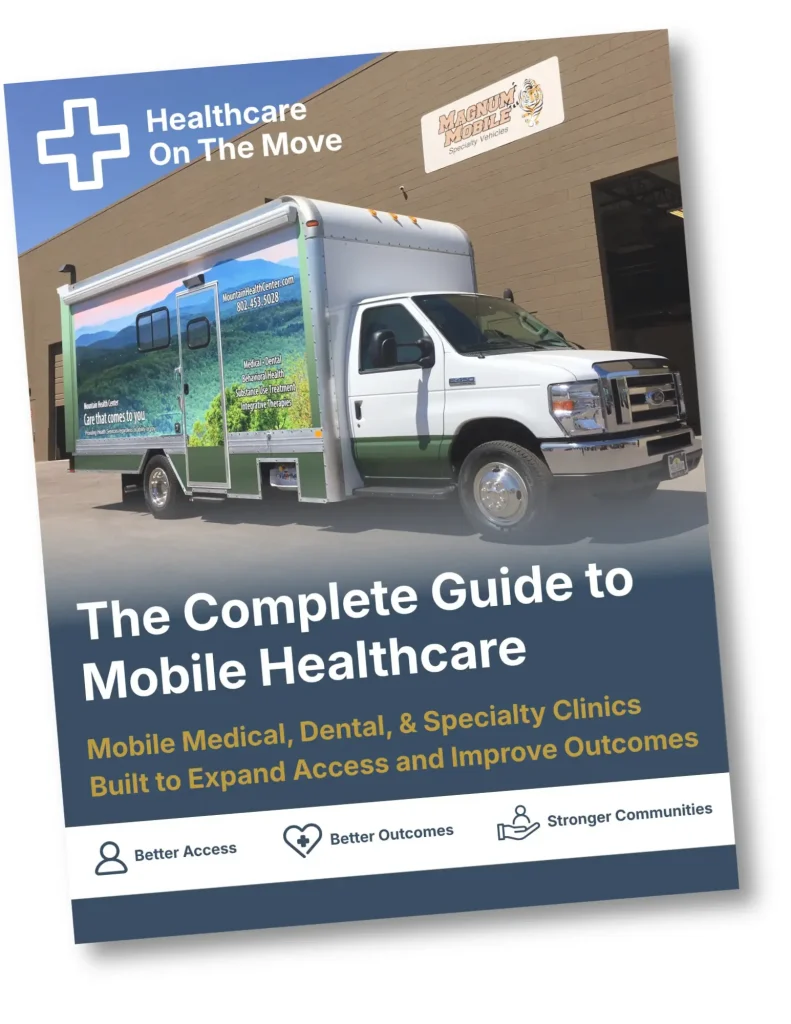
Use the mobile healthcare buyer guide to organize the vehicle-planning questions before your leadership discussion.
Explore Magnum Clinic Options
Make the proposed vehicle concrete for your leadership team.
Explore Magnum’s clinic options and develop a scope that supports your board’s next decision.
Mobile Healthcare Buyer Guide
Prepare your vehicle-planning questions with Magnum’s mobile healthcare buyer guide.
Trusted Nationwide
Trusted by Leading Healthcare Organizations
Trusted by healthcare providers, public agencies, universities, and nonprofit organizations to deliver high-quality mobile specialty vehicles.







Built to Support
Organizations Across Every Sector
Delivering mobile solutions for healthcare, education, government, nonprofit, and commercial applications.
Healthcare
Education
Government
Non-Profit
Public Safety
Corporate
Ready to Get Started
Let’s Build a Solution That Moves Care Forward
Tell us about your operation and our team will help build the right mobile vehicle solution for your needs.