
Mobile Specialty Vehicles • Proposal Preparation
How to Write a Mobile Clinic Request for Proposal
Give vendors the information needed to propose comparable vehicle solutions
Quick answer
A mobile clinic request for proposal should explain the program, required workflow, staffing, equipment, operating sites, vehicle and system requirements, delivery preparation, support expectations, and response instructions. Distinguish mandatory requirements from preferences and define how proposals will be evaluated. Have your procurement team align the document with the organization’s applicable purchasing and funding requirements.
A strong RFP makes the operating problem clear enough for vendors to respond with comparable scope. A long list of features can still leave major questions unanswered if the program’s workflow and deployment needs are missing.
Build the document with the people who will operate, maintain, purchase, and oversee the vehicle. Give each requirement a purpose and ask for evidence that helps the reviewers evaluate the response.
Magnum Mobile can discuss configurable layouts, commercial-grade materials, and integrated vehicle systems around your operating plan. Explore our mobile specialty vehicles and request the Mobile Healthcare Buyer Guide through its guide page.
1. Describe the program and the procurement scope
Start with a concise explanation of the services the vehicle is intended to support and the work included in the purchase.
Program: Identify intended users, services, staff roles, visit patterns, and the purpose of the mobile operation.
Scope: State whether the request includes a chassis, upfit, equipment, installation, graphics, delivery, training, or other defined services.
Constraints: Identify confirmed purchasing conditions, organizational requirements, budget information your process allows you to share, and relevant planning dependencies.
Review: Have the responsible procurement and program teams check the document before release. Follow the organization’s actual process rather than treating a general article as a procurement template.
2. Separate requirements from preferences
Classify what the program needs to operate and what the team would prefer. Ask vendors to explain any exception or alternative within the response rules.
Clear language: Describe required performance or workflow and the evidence requested. Avoid an unexplained feature list that prevents reviewers from understanding the operating need.

| RFP section | Information to include |
|---|---|
| Program requirements | Services, users, staffing, workflow, and deployment |
| Configuration | Layout, equipment, utilities, access, storage, and servicing |
| Project scope | Responsibilities, approvals, delivery, training, and documents |
| Response and evaluation | Required format, evidence, pricing scope, and published criteria |
3. Give vendors an equipment and workflow brief
Provide enough detail for a meaningful configuration proposal. Mark uncertain information and explain how it will be resolved.
Workflow: Describe arrival, setup, access, service delivery, records, supplies, cleanup, closing, and travel preparation.
Equipment: Provide exact models and specifications where selected, including dimensions, weight, utilities, installation needs, and service access.
Responsibilities: Identify buyer-supplied items and ask vendors to state who mounts, connects, tests, and provides instruction for each major item.
Drawings: Ask for the layout information needed to review circulation, work areas, access, equipment locations, and support spaces.
4. Document site, system, and ownership requirements
The vehicle needs to work on the intended route and remain supportable after delivery. Include those requirements in the scope.
Deployment: Describe representative sites, access constraints, complete operating footprint, available utilities, and storage arrangements.
Systems: Ask how the proposed configuration supports selected equipment and intended simultaneous operation. Request the assumptions and any exceptions.
Maintenance: Identify the information needed to evaluate service access, routine care, manuals, and available support.
Coverage: Request actual chassis, upfit, and equipment warranty terms and service responsibilities. Avoid assuming they form one identical coverage package.
Training: Define the people and operating tasks that need instruction, including setup, shutdown, travel preparation, systems, and applicable equipment.
5. Make responses and evaluation comparable
Set response instructions and evaluation criteria through the procurement team’s approved process. Use them consistently.
Proposal format: Ask vendors to respond to the same sections and identify compliance, exceptions, assumptions, and requested clarifications.
Pricing: Request a clear scope, inclusions, exclusions, options, and other information your process requires. Compare equivalent configurations.
Timing: State the required planning information and ask vendors to describe delivery assumptions and dependencies. Do not assume a general timeline applies to every configuration.
Evaluation: Define the evidence reviewers will use for program fit, configuration, ownership needs, delivery scope, and cost within the applicable process.
6. Use Magnum’s vehicle information to clarify requirements
Magnum Mobile can discuss configurable layouts, commercial-grade materials, and integrated vehicle systems around your operating brief. Use vehicle discussions in a way that fits your organization’s purchasing process.
Bring the brief: Share services, staff workflow, selected equipment, host requirements, and the scope questions your team needs to resolve.
Ask practical questions: Discuss the information needed to compare configurations, installation responsibilities, service access, and delivery preparation.
Explore options: Review Magnum’s specialty vehicles and our consultation-to-delivery process. Have the procurement team determine the final RFP and evaluation approach.
Discuss your vehicle requirements with Magnum Mobile. A clear operating brief helps make the technical configuration questions more useful.
Mobile Clinic RFP FAQs
What belongs in a mobile clinic RFP?
Include the program, workflow, staff roles, equipment, operating sites, systems, access, maintenance, delivery, training, response requirements, and approved evaluation criteria.
Should every preferred feature be mandatory?
Have the program and procurement teams distinguish requirements from preferences and define the evidence needed. Explain the operating purpose behind important specifications.
How can buyers compare proposal prices fairly?
Ask for clear inclusions, exclusions, options, assumptions, and responsibilities. Compare proposals against the same operating brief and configuration scope.
Who should approve the RFP?
Use the organization’s applicable procurement and approval process, involving the program, operating, technical, financial, and other responsible reviewers as needed.
Turn Your Operating Requirements Into a Clear Vehicle Brief
Magnum Mobile can discuss vehicle configuration questions around the services and sites your program intends to support. Bring the brief to clarify layout, equipment interfaces, and ownership needs within your purchasing process.
Explore Magnum’s mobile specialty vehicles and compare configurations for your program.
Discuss Your Vehicle
Write an RFP around the complete operation and comparable proposal scope.
Bring clear configuration questions to your Magnum vehicle discussion.
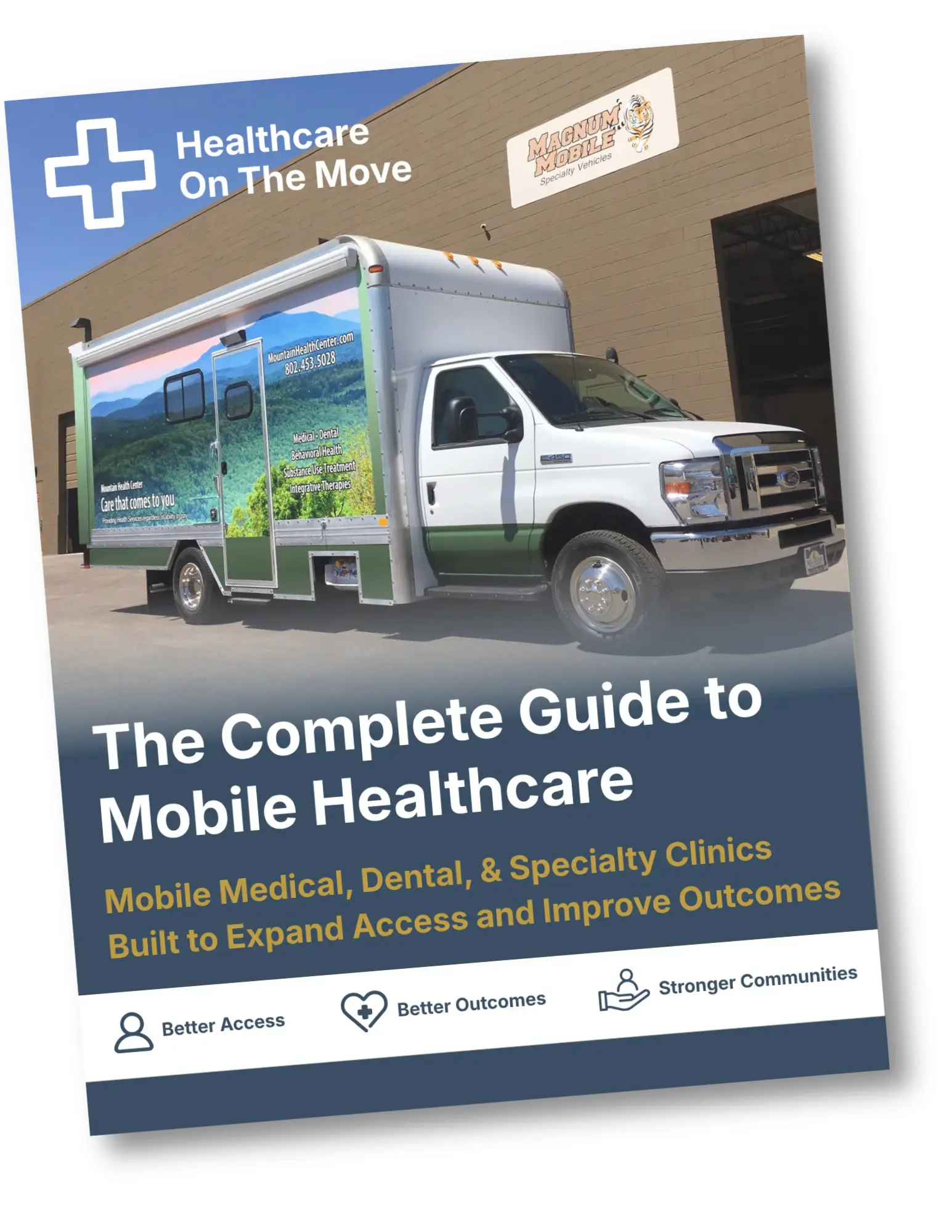
Get the Free Buyer Guide
Request the Mobile Healthcare Buyer Guide through the guide page.
Trusted Nationwide
Trusted by Leading Organizations
Trusted by healthcare providers, animal care programs, public agencies, universities, and nonprofit organizations for mobile specialty vehicles.






Built to Support
Organizations Across Every Sector
Delivering mobile solutions for healthcare, education, government, nonprofit, and commercial applications.
Healthcare
Education
Government
Non-Profit
Public Safety
Corporate
Ready to Get Started
Let’s Build a Solution That Moves Care Forward
Tell us about your operation and our team will help build the right mobile vehicle solution for your needs.