
Mobile Clinic Pricing Explained
What Does a Mobile Clinic’s Starting Price Include—and Exclude?
Use a practical checklist to confirm the base vehicle, options, equipment, delivery, and costs outside your quote.
A mobile clinic’s starting price is the price of a specified base vehicle and equipment package. It is not automatically the price of a fully equipped, delivered, staffed, and operating program. The written quote should identify exactly what your selected configuration includes.
Different models can include different chairs, tables, cabinetry, power systems, plumbing, and access features. Options and customer-supplied equipment may add costs or require installation work.
The most useful question is not simply “What does the vehicle cost?” It is “What must we add to this quoted scope before our team can deliver the services we have planned?”
This checklist helps medical, dental, and animal care organizations understand a starting price, prepare a complete equipment scope, and avoid comparing quotes that describe different projects.
Use published model specifications to prepare your questions, then have the builder confirm the current configuration in writing. A photograph, feature label, or general description is not a substitute for the agreed purchase scope.
Define the Base Vehicle and Quoted Scope
Start with six scope questions
- Which vehicle and floor plan are quoted?
- What equipment is included by model and quantity?
- What options are priced separately?
- Who supplies and installs each clinical device?
- What delivery, training, and warranty scope applies?
- What launch and operating expenses are outside the quote?
Ask the builder to identify the chassis or trailer, dimensions, floor plan, finishes, cabinetry, included equipment, and installed utilities. These details define the base package you are actually purchasing.
Compare models by their specifications rather than length alone. For example, Magnum’s 26-foot medical and Professional Series models have different equipment and utility packages despite sharing a nominal vehicle length.
For a trailer, confirm what is supplied with the unit and what your organization needs for towing. Do not treat an available tow vehicle or host-site power connection as an included purchase item unless the quote says so.
Shortlist vehicles from Magnum’s model lineup, then request a scope that matches your program. The final configured quote is the basis for approval and funding.
Make an Equipment Responsibility Checklist
Create an equipment schedule with five columns: item, required quantity, supplier, installation responsibility, and quoted cost. Add dimensions and connection requirements when the item needs to be integrated into the vehicle.
Mark each item as included, optional, customer-supplied, or unresolved. An unresolved item should become a follow-up question rather than a zero in the budget.
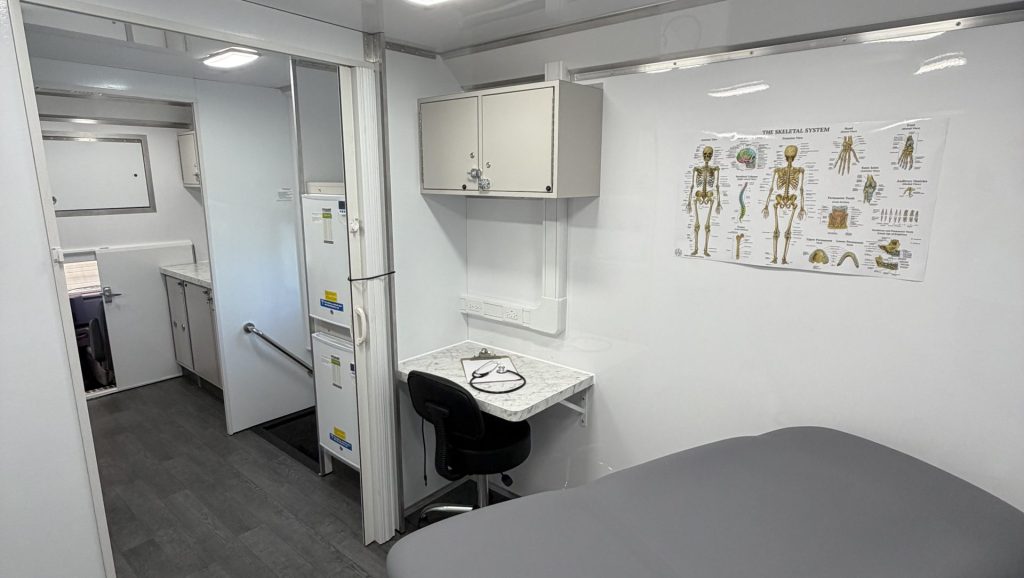
Ask whether mounting, electrical connections, plumbing, ventilation, setup, and testing are included where relevant. A device purchase and its integration into the clinic can involve separate responsibilities.
Check the Selected Model’s Equipment Details
Specific model examples show why equipment needs a line-by-line review. Use the selected vehicle’s product page and your clinical team’s requirements together.
Magnum’s 26-foot dental clinic lists a dental chair among standard equipment, while a dental cart with scaler and light appears among options. A chair does not establish that the full dental treatment package is included.
The 26-foot spay and neuter clinic lists a surgical table and space for up to 19 cages. Ask how many cages are supplied and which anesthesia or other surgical equipment is included in the configuration.
Medical programs should confirm examination equipment, refrigeration, diagnostic devices, and any specialized integrations. The equipment required for your service scope may differ from what is shown in a standard floor plan.
Do not assume equipment seen in a project photo is included in every model. Photos may show a customer’s configured vehicle; request the equipment list for your own quote.
Confirm Utilities and Accessibility
Utilities should be part of the quote review, not a question postponed until delivery. Identify the equipment your team intends to operate and the locations where it will use the clinic.
Ask what generator, shore-power connection, battery system, heating and cooling, and installed outlets are included. Compare power packages separately for vans, trailers, and larger drivable clinics.
Confirm fresh-water and holding-tank capacities, sinks, hot water, and any device-specific connections. The clinical team and builder should agree on the requirements for the proposed services.
List wheelchair access, lift or ramp needs, door clearances, and interior circulation requirements. Ask which features are included and which are configuration-dependent options.
Collect information from likely host locations about parking, access, power, and water. If a location needs additional preparation or equipment, identify who supplies it and which budget covers it.
A useful quote should make the clinic’s operating requirements clear enough for your facilities and field teams to prepare. Ask for clarification when a general feature description does not explain the actual connection or equipment.
Review Delivery, Training, Graphics, and Warranties
Confirm delivery arrangements, destination, handover, orientation, and any training included in the proposal. Delivery and training responsibilities should be stated rather than inferred.
Ask what exterior graphics, design work, installation, and revisions are covered. Your launch plan may also require branding materials outside the vehicle build.
Review warranty documents for the chassis, coach, and installed equipment separately. Coverage, exclusions, service channels, and maintenance requirements can differ between components.
Ask how customer-supplied equipment will be handled and supported. Confirm who coordinates service when an issue involves both the device and its vehicle installation.
Before approving the quote, identify remaining decisions and their effect on price or production. Request an updated scope when equipment or layout choices change.
Separate the Purchase, Launch, and Operating Budgets
Keep the purchase quote separate from the launch budget. Initial instruments, clinical supplies, insurance, registration, staffing preparation, communications, storage, and host-site setup may need their own estimates.
Keep recurring costs separate too: staff, fuel, consumables, utilities, maintenance, equipment service, insurance, administration, and storage. A vehicle price does not answer how the organization will fund care over time.
For internal review, use three subtotals: quoted vehicle and equipment, other one-time launch costs, and annual operating costs. Identify the source and owner of each estimate.
Add a reserve based on your organization’s budgeting policy and remaining uncertainties. Confirm tax, financing, and other purchase-related treatment with the responsible finance team instead of assuming every cost is inside the advertised figure.
When comparing builders, give each the same equipment schedule and delivery requirements. Differences in quoted scope should be resolved before concluding that one offer is less expensive.
Mobile Clinic Starting Price FAQs
Does a mobile clinic’s starting price include everything needed to open?
No assumption should be made. A starting price describes a base package. Confirm clinical equipment, installation, utilities, access features, delivery, training, launch expenses, and recurring program costs separately.
Are equipment items shown in photos included?
Photos can show a customer-specific build or optional equipment. Use the selected model’s written specifications and the agreed quote to confirm what your organization will receive.
Can we supply our own clinical equipment?
Discuss the item with the builder before purchase or installation. Provide dimensions, weight, utility needs, mounting information, and supplier details so compatibility and installation responsibility can be confirmed.
How can we compare two mobile clinic quotes fairly?
Use the same service scope, floor-plan requirements, equipment schedule, utility needs, delivery destination, and support questions. Compare the included items and responsibilities alongside the total price.
Turn a Starting Price into a Clear Purchase Scope
Prepare your service list, staffing plan, likely host locations, required equipment, and preferred vehicle type. Mark which decisions are confirmed and which need the builder’s input.
Ask for a quote review with the people responsible for clinical care, vehicle operation, facilities, purchasing, and finance. Each team may spot a different missing requirement.
Explore Magnum’s healthcare vehicles and animal care vehicles to see the available starting platforms.
Request a configured quote with your equipment schedule and program goals. A clear scope helps turn a starting price into a budget your organization can evaluate.
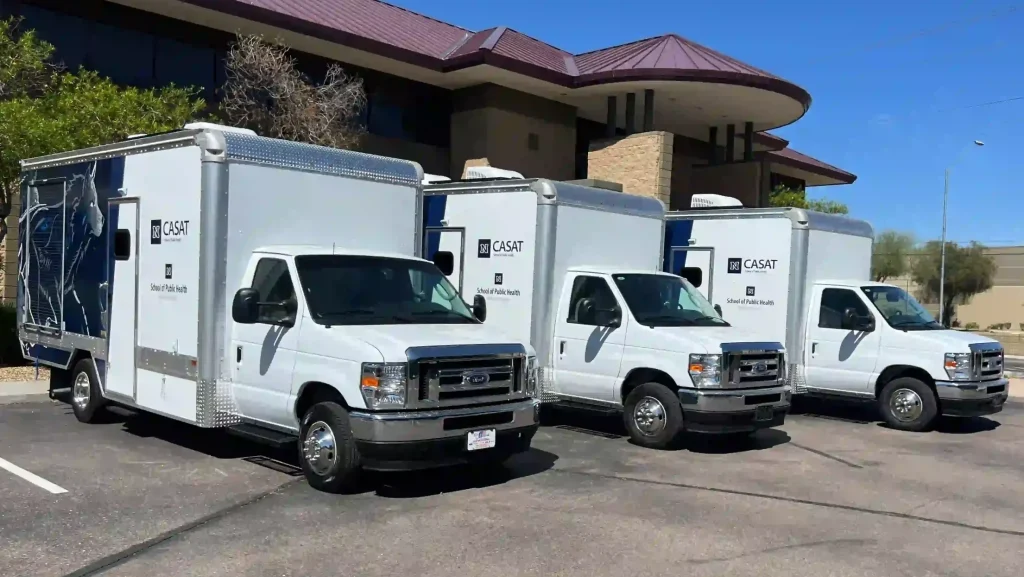
Review Your Quote with Magnum
Compare vehicle and equipment packages using a written list of your program’s requirements.
Ask Magnum to clarify included items, options, installation, delivery, and support.
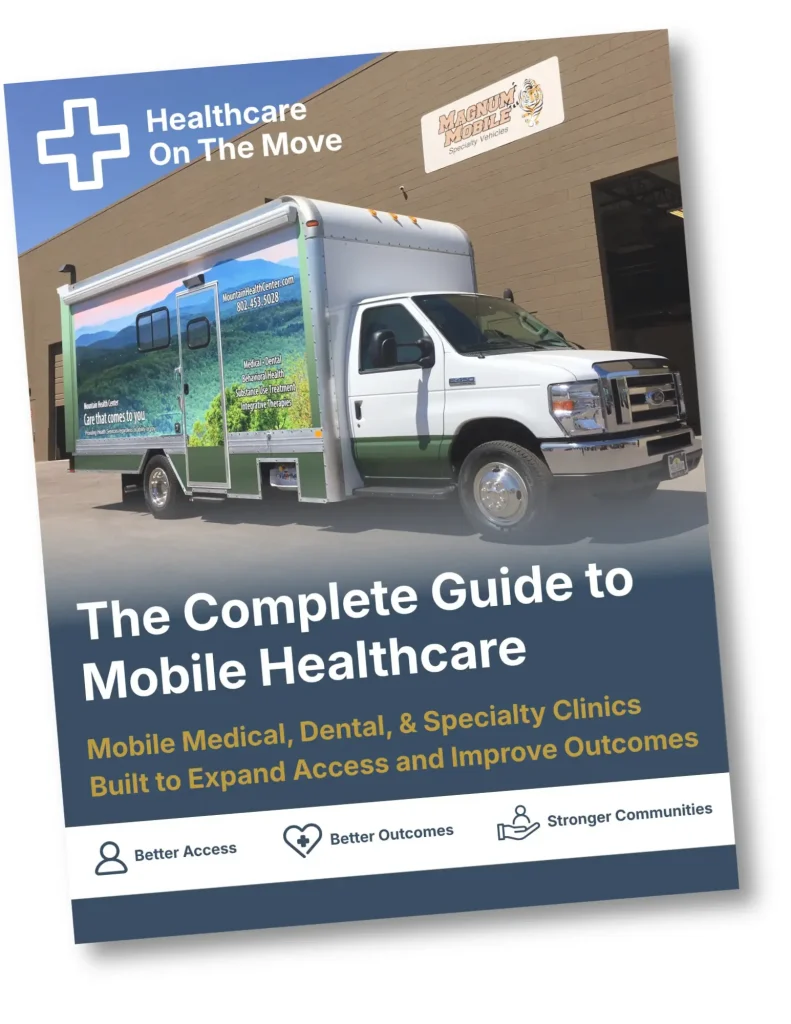
Prepare Your Purchasing Questions
Use the buyer’s guide to organize your services, vehicle requirements, and purchasing questions.
Trusted Nationwide
Trusted by Leading Healthcare Organizations
Trusted by healthcare providers, public agencies, universities, and nonprofit organizations to deliver high-quality mobile specialty vehicles.







Built to Support
Organizations Across Every Sector
Delivering mobile solutions for healthcare, education, government, nonprofit, and commercial applications.
Healthcare
Education
Government
Non-Profit
Public Safety
Corporate
Ready to Get Started
Let’s Build a Solution That Moves Care Forward
Tell us about your operation and our team will help build the right mobile vehicle solution for your needs.