
Mobile Clinic Funding and Sustainability
How to Sustain a Mobile Program After Initial Grant Funding
Plan for the Operation Beyond the Launch Award
Quick answer
Plan mobile clinic sustainability after grant funding by identifying recurring costs, the grant’s end date and conditions, confirmed ongoing support, and the services the program can maintain. Begin before launch funding runs out. Assign owners to funding, operations, reporting, and vehicle upkeep, then review the continuation plan with program and finance leadership.
A grant can make the first vehicle or launch possible, while the program still needs resources for staff, supplies, travel, follow-up, and maintenance in later years. Plan those recurring commitments from the beginning.
Start with the operation your organization can sustain. A continuation plan should connect service commitments with the people, funding, and vehicle availability needed to deliver them consistently.
Magnum Mobile can discuss configuration, deployment, and support questions that affect the vehicle side of the plan. Your program and finance teams remain responsible for confirming funding and ongoing service commitments.
Review What the Initial Grant Covers and When It Ends
Create a clear summary of the initial award using the actual funding documents. Ask the responsible grants and finance teams to identify what it covers and what happens when the funding period ends.
Covered expenses: Distinguish the vehicle, equipment, launch preparation, and operating costs supported by the award.
Timing: Record payment dates, spending deadlines, reporting milestones, and the expected end of support.
Conditions: Have the responsible team review restrictions, commitments, and any requirements affecting later use of the funded assets.
Use this review to identify the gap the continuation plan must address. Do not assume a possible extension or future award is available until the funding team confirms it.
Build a Budget for the Recurring Operation
Build an operating budget for the period after initial support ends. Include the full service day and the resources contributed by the parent organization or partners.
Account for staffing, clinical supplies, travel, utilities, technology, insurance, administration, follow-up, vehicle maintenance, and storage. Mark estimates that still need current quotes or internal review.
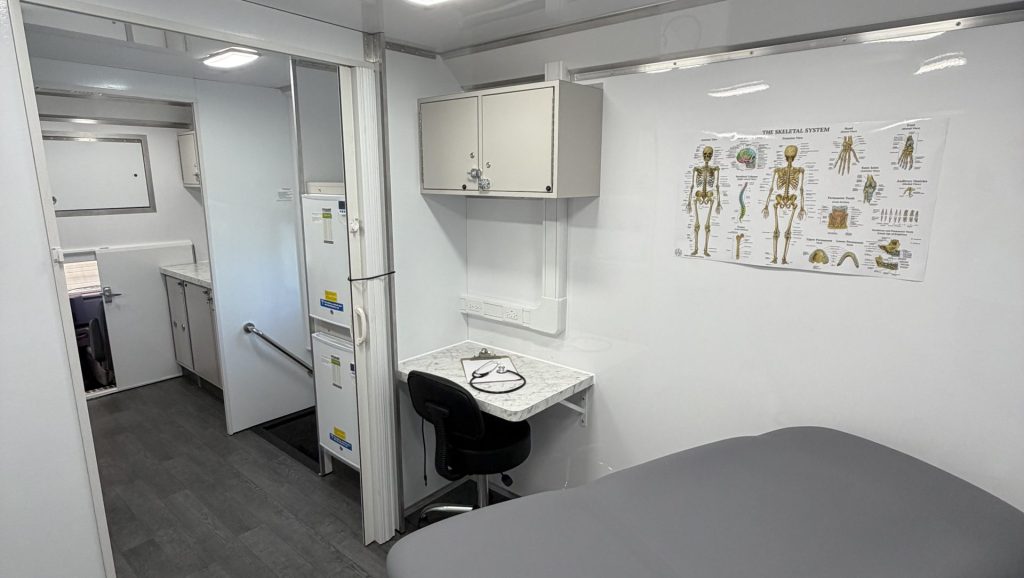
Mobile Health Map’s startup resources encourage a three-to-five-year operational and financial plan. Use that time horizon to discuss recurring commitments alongside the initial launch.
Map Potential Support and Confirmed Commitments
List the sources your team plans to explore and record their status. Potential support and committed support should remain distinct in the plan.
Organizational support: Discuss whether the parent organization intends to fund the program through its recurring budget, and who approves that commitment.
Community and donor support: Identify relevant partners or donors, the proposed contribution, and the expected duration. Confirm any restrictions before counting support toward a cost.
Service-related funding: Have your finance team review any payment, reimbursement, or service-agreement assumptions that fit the program.
Future awards: Record applications and proposals separately from awarded funds. Identify the decision date and the plan if support is delayed or unavailable.
Align Services and Scheduling With Available Resources
Match the services and schedule with resources that the organization can actually commit. Expansion can wait until the ongoing operation has a dependable foundation.
Core services: Identify the work that most directly supports the program’s purpose and the minimum resources needed to deliver it responsibly.
Schedule: Review deployment days, routes, host locations, travel, and staff coverage against the recurring budget.
Care connections: Confirm ownership of appointments, referrals, results communication, and other follow-up when funding or staffing changes.
Contingencies: Agree on how the team will review service commitments if funding is lower or arrives later than expected.
Record decisions and communicate approved changes through the organization’s normal processes. Avoid committing to new locations or services using funding assumptions that have not been resolved.
Keep Vehicle Upkeep in the Continuation Plan
The vehicle remains an operating asset after the grant period. Give upkeep a named owner and a place in the recurring budget.
Maintenance and storage: Plan routine service, inspections, cleaning, secure storage, and the checks required by the selected vehicle and equipment.
Support: Keep vehicle, equipment, and supplier contacts available. Confirm the relevant support and warranty terms for each system instead of assuming all future costs are covered.
Availability: Decide how the program handles a service day when the vehicle or a required system is unavailable.
Bring configuration and upkeep questions to Magnum early. Clear equipment and deployment requirements help the vehicle conversation fit the resources your program plans to maintain.
Review Funding Progress and Program Evidence
Review the continuation plan regularly before the initial funding ends. Combine budget information with evidence of the work delivered and the needs that remain.
Progress: Track confirmed commitments, pending decisions, reporting deadlines, and the work assigned to each owner.
Program evidence: Share consistently defined activity, community reach, feedback, operational findings, and costs with the appropriate stakeholders.
Decisions: Record what leadership has approved, what is provisional, and when the next review must happen.
Keep the vehicle plan aligned with those decisions. A configuration chosen around a sustainable service model gives the organization a clearer basis for purchasing and long-term use.
Mobile Program Sustainability FAQs
When should a mobile program plan for funding after its first grant?
Begin during initial program planning and revisit the plan before the award ends. Identify recurring costs, decision dates, committed support, and the services the organization intends to maintain.
Does a grant-funded vehicle guarantee a sustainable program?
No. The vehicle can support the service, but the program still needs staff, supplies, deployment resources, follow-up, upkeep, and reliable ongoing funding.
Should a future grant be included as confirmed funding?
No. Track proposals and applications as potential support until the responsible team confirms an award and its conditions. Review what the program would do if the expected funding does not arrive.
How does sustainability planning affect vehicle selection?
It helps define the services, team, equipment, routes, and upkeep resources the program can sustain. Share those requirements with the builder before approving the vehicle configuration.
Plan Your Long-Term Vehicle Requirements With Magnum
Magnum Mobile builds configurable specialty vehicles around the intended operation. A clear continuation plan helps the vehicle discussion focus on services, equipment, layouts, and deployment conditions your organization expects to support.
Explore Magnum’s vehicle configurations, build process, and support resources as you prepare your long-term vehicle requirements.
Request the Mobile Healthcare Buyer Guide for practical considerations covering services, vehicle selection, layouts, and equipment.
Ready to plan the vehicle for your ongoing mobile program? Contact Magnum Mobile with your service plan, equipment needs, and deployment requirements for a consultation.
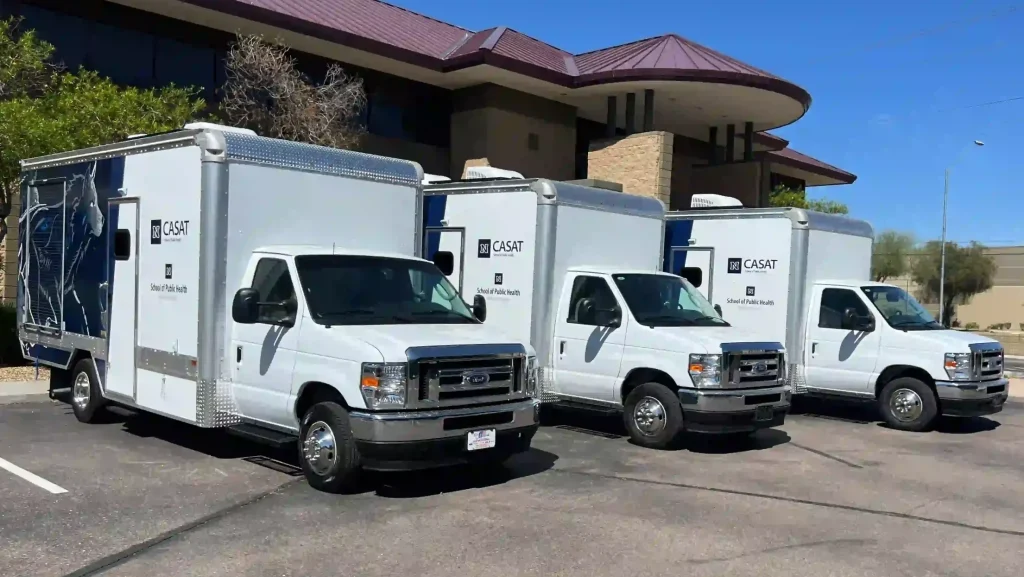
Discuss Your Vehicle
Bring your long-term service plan and deployment requirements to a Magnum consultation.
Discuss a configuration around the operation your organization intends to sustain.
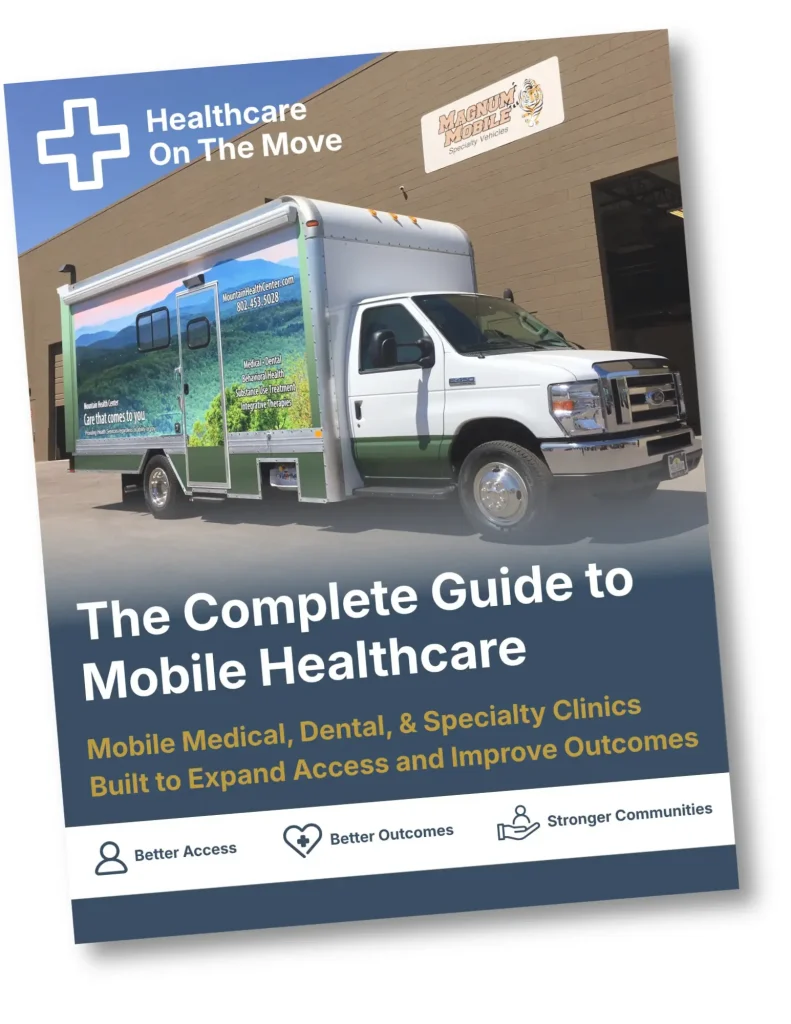
Get the Free Buyer Guide
Get planning considerations for services, layouts, equipment, and vehicle selection.
Trusted Nationwide
Trusted by Leading Healthcare Organizations
Trusted by healthcare providers, public agencies, universities, and nonprofit organizations to deliver high-quality mobile specialty vehicles.







Built to Support
Organizations Across Every Sector
Delivering mobile solutions for healthcare, education, government, nonprofit, and commercial applications.
Healthcare
Education
Government
Non-Profit
Public Safety
Corporate
Ready to Get Started
Let’s Build a Solution That Moves Care Forward
Tell us about your operation and our team will help build the right mobile vehicle solution for your needs.