
Mobile Specialty Vehicles • Team Readiness
What Training Should Your Team Complete Before Its First Visit?
Prepare the people who will move, set up, operate, and close the unit
Quick answer
Before the first visit, assign and train the people responsible for driving, site setup, access features where specified, vehicle systems, installed equipment, routine care, shutdown, travel preparation, records, and fault reporting. Practice a complete deployment using the actual configuration and program procedures. Vehicle instruction complements the organization’s clinical or service qualifications; it does not replace them.
The first deployment should not be the first time staff connect the vehicle’s systems with the program’s workflow. A practical training plan prepares people for the tasks between departure and return as well as the services delivered onboard.
Use the actual vehicle configuration, current instructions, and defined staff roles. Include backup personnel so knowledge does not remain with one person.
Magnum Mobile can discuss configurable layouts, commercial-grade materials, and integrated vehicle systems around your operating plan. Explore our mobile specialty vehicles and request the Mobile Healthcare Buyer Guide through its guide page.
1. Assign training by role and operating task
List the work required for a complete visit and name the people who will perform it. Identify which tasks need specialist instruction or organizational approval.
Vehicle operation: Assign driving, maneuvering, positioning, travel checks, and vehicle records to appropriately prepared personnel. Confirm applicable requirements through the responsible teams.
Setup and closing: Name the people responsible for connections, access features, controls, equipment preparation, shutdown, and secure travel storage.
Services: Have the organization’s responsible leads define clinical or service qualifications, workflows, infection-prevention or care procedures, and other relevant training.
Backups: Include substitute operators and clear handover arrangements for staff changes or absence.
2. Use a task-based training matrix
A simple matrix makes missing instruction visible. Record the task, responsible person, instruction source, practice completed, and follow-up required.
Evidence: Define how the organization will confirm that personnel can perform assigned tasks. Attendance at a walkthrough alone does not establish readiness for every responsibility.

| Training area | What staff should review |
|---|---|
| Vehicle and site | Travel, positioning, footprint, access, and site coordination |
| Systems | Installed controls, connections, startup, shutdown, and routine care |
| Equipment | Applicable supplier instructions and role-specific operation |
| Program workflow | Service procedures, records, communication, and follow-up |
3. Practice setup and system operation on the actual unit
Use the installed configuration rather than a general description. Have the relevant builder or equipment personnel explain responsibilities within the agreed instruction scope.
Site setup: Review the complete operating footprint, required clear areas, entrances, assistance features where specified, and host coordination.
Connections and controls: Learn the applicable utility arrangements and controls using the current instructions. Confirm the response when a required host connection is unavailable.
Equipment: Have authorized personnel review operation, routine care, travel preparation, and limits for the selected devices.
Shutdown: Practice closing, securing supplies and equipment, preparing systems for travel or storage, and completing the assigned records.
4. Rehearse the complete service day
Run a practice deployment before the first public visit. Use representative tasks and include the people who need to coordinate with one another.
Departure: Review the organization’s vehicle preparation, supplies, communications, documentation, and route procedures.
Arrival: Confirm the host handoff, positioning, setup, system checks, and the process for deciding the unit is ready under program requirements.
Workflow: Walk through participant access, service delivery, records, supply retrieval, cleaning arrangements, and next steps using approved procedures.
Disruption: Discuss staff absence, missing supplies, site changes, equipment faults, or other common interruptions. Define who makes operating decisions and communicates changes.
Return: Include closing, travel, restocking, routine care, records, and preparation for the next visit.
5. Organize instructions, support contacts, and refreshers
Give staff a practical way to find the current information after training. Make ongoing review part of normal operations.
Documents: Keep relevant vehicle, upfit, system, and equipment instructions accessible to the people who use them.
Reporting: Define how staff document a fault, missing instruction, or training gap and which contact handles the issue.
Changes: Update the training plan when equipment, staffing, services, sites, or procedures change. Confirm the relevant instruction before using a changed configuration.
Review: Schedule refreshers appropriate to the assigned tasks and organizational requirements. Use experience from early visits to identify additional practice needs.
6. Prepare your operating team with Magnum resources
Magnum Mobile provides support and training resources for specialty vehicle customers. Use them alongside the current instructions and arrangements for your actual vehicle.
Before delivery: Discuss which staff should attend the walkthrough, the relevant system questions, and any additional instruction needed from equipment suppliers.
After delivery: Keep the applicable support contacts and documents together, and resolve open questions before the team relies on an unfamiliar function.
Resources: Review Magnum’s support and training information and our delivery process. Confirm which materials apply to your configuration.
Discuss your vehicle training questions with Magnum Mobile. Bring the staff roles and operating tasks behind your first deployment plan.
Mobile Clinic Team Training FAQs
Who needs vehicle training?
Identify everyone assigned to driving, setup, systems, equipment, closing, routine care, records, or fault reporting, including relevant backup personnel. Training should match the actual role.
Does a delivery walkthrough replace clinical training?
No. Vehicle instruction and the organization’s clinical or service qualifications serve different purposes. The responsible program leads must define the applicable requirements.
Should the team practice before the first public visit?
A full rehearsal helps staff connect tasks and identify gaps. Use the actual configuration, representative site conditions, and the program’s approved procedures.
When should training be updated?
Review it when people, equipment, services, sites, or operating procedures change, and use organizational requirements and early deployment experience to plan refreshers.
Prepare the Team Behind Your Mobile Program
Magnum Mobile can discuss vehicle walkthrough and support questions around your configuration. Bring the roles, systems, equipment, and deployment tasks your team needs to understand before its first visit.
Explore Magnum’s mobile specialty vehicles and compare configurations for your program.
Discuss Your Vehicle
Train for the complete deployment, from departure through return.
Bring role-specific vehicle and system questions to Magnum.
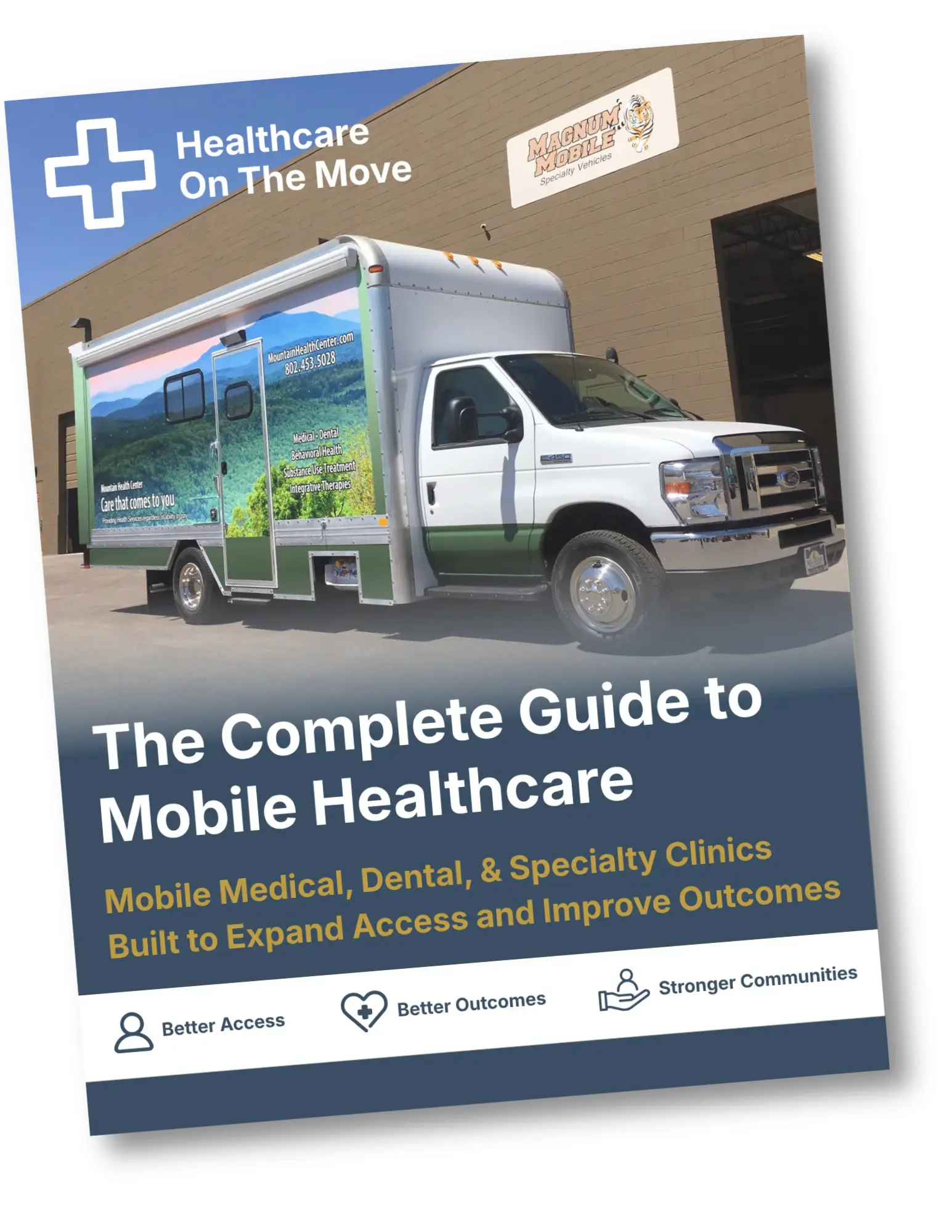
Get the Free Buyer Guide
Request the Mobile Healthcare Buyer Guide through the guide page.
Latest From Our Blog
Trusted Nationwide
Trusted by Leading Organizations
Trusted by healthcare providers, animal care programs, public agencies, universities, and nonprofit organizations for mobile specialty vehicles.







Built to Support
Organizations Across Every Sector
Delivering mobile solutions for healthcare, education, government, nonprofit, and commercial applications.
Healthcare
Education
Government
Non-Profit
Public Safety
Corporate
Ready to Get Started
Let’s Build a Solution That Moves Care Forward
Tell us about your operation and our team will help build the right mobile vehicle solution for your needs.