
Mobile Clinic Weather Planning • Seasonal Deployment
How Weather Should Influence Your Vehicle and Operating Plans
Plan the vehicle and service day for your climate
Quick answer
Weather should influence a mobile clinic’s climate-control needs, power plan, water-system preparation, patient access, travel, and storage arrangements. Share expected conditions with your builder and establish an operating plan for delays, postponements, and changing site conditions.
Mobile clinic weather planning begins before you buy the vehicle. The conditions where your program will work help define what the unit and your team need to support a practical service day.
A vehicle specification and an operating policy address different questions. One covers the unit’s systems and configuration; the other covers how your organization decides when and where to deliver services.
Magnum Mobile can discuss your climate and deployment needs as part of vehicle planning. Explore our mobile medical clinics and mobile dental clinics to start the conversation.
1. Describe your operating climate
Tell your builder where and when the vehicle will operate. A broad label such as “year-round outreach” leaves important details unanswered.
Locations and seasons: List the service region, seasonal conditions, and whether routes cross areas with different climates. Include the conditions at the storage location as well as at host sites.
Hours and occupancy: Describe service duration, staff and visitor presence, and how frequently doors will open. These details help explain the real operating environment.
Indoor and outdoor tasks: Identify registration, waiting, loading, and other activities outside the vehicle. Interior climate control does not cover the entire visitor experience.
Known limitations: Record seasonal site closures, unreliable utility access, or travel concerns your team already encounters. Keep uncertain assumptions visible so they can be reviewed.
2. Review climate control and power
Ask how heating and cooling will support the proposed layout, equipment, and service hours. Review power needs at the same time.
Rooms and use patterns: Explain which areas will be occupied and what comfort or equipment-environment requirements apply. Share the actual equipment models and their manufacturer instructions rather than assuming one setting suits everything.
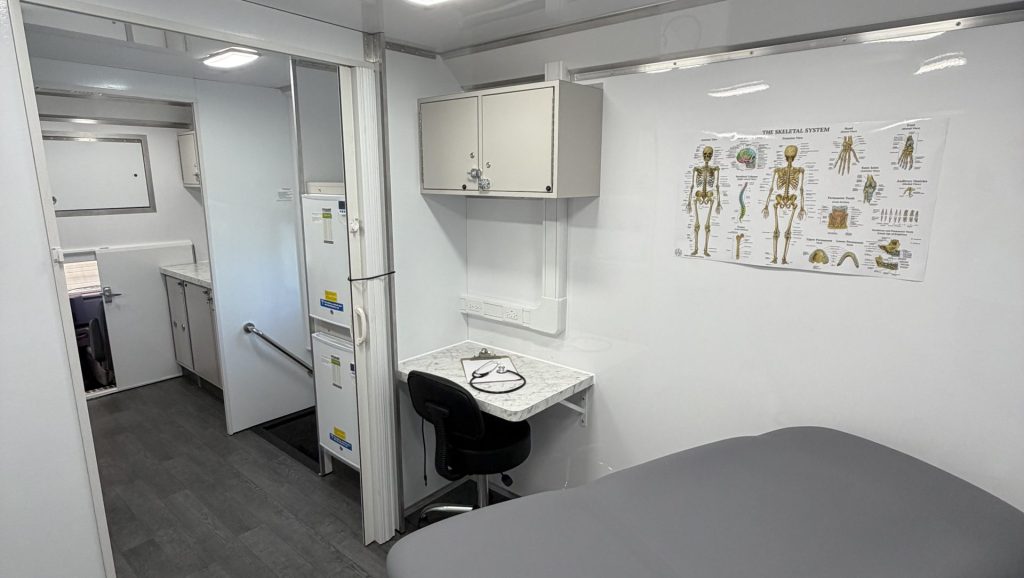
Available power: Confirm how climate control and other equipment will be powered at each type of site. Ask Magnum to review the intended operating scenario, including concurrent loads and the length of the service day.
3. Plan seasonal system preparation
Seasonal readiness includes the systems used while working and the preparation needed between visits. Follow the instructions for the completed vehicle and its installed equipment.
Water systems: Ask about preparation before freezing conditions, who performs it, and how the unit returns to service. Magnum’s support resources identify winterization before freezing exposure as an ownership consideration.
Power equipment: Review the applicable operating, inspection, and maintenance instructions. Make sure the team knows how to recognize an issue and who to contact for support.
Equipment and supplies: Your responsible clinical team should define storage and operating conditions for its supplies and equipment. Cabin comfort alone does not verify those requirements.
Seasonal handoffs: Document preparation, checks, and responsibility when the unit moves between regions or changes from active service to storage. Include the return-to-service review.
4. Consider access and site conditions
Review the host site under the conditions your program may encounter. A location that works on a dry day may need another review after weather changes.
Patient approach: Consider the route from parking or drop-off to the vehicle, including waiting areas and entry features. Assign responsibility for reviewing and addressing site conditions before visitors arrive.
Operating space: Confirm that doors, steps, lifts or ramps, and necessary work areas remain usable. Do not assume an open parking space provides the full operating footprint.
Ground and drainage: Review the proposed parking surface and site conditions with the host and fleet team. Establish what staff should do if the approved area becomes unavailable.
Travel and departure: Include the journey and exit route in weather decisions. The plan should cover the full deployment, including the return trip.
Exterior features: Follow the instructions and limits for any awning or other deployed equipment. Ask for the relevant documentation during vehicle planning and staff preparation.
5. Assign weather decisions
Establish who monitors conditions and who can change the schedule. A useful policy connects information with a clear decision and communication process.
Monitor authoritative information: Identify the weather alerts and local information your team will use. The National Weather Service’s thunderstorm safety resources can support general preparedness planning.
Assign decision authority: Name the person responsible for proceeding, delaying, relocating, or canceling. Your organization should develop criteria appropriate to its vehicle, services, sites, and responsible professional guidance.
Coordinate with hosts: Agree on how both teams report changed access or site conditions. Keep contact details available to staff for each deployment.
Communicate changes: Define how patients, partners, and staff receive schedule updates. Review a changed location before using it and document the approved plan.
6. Bring a climate brief to Magnum Mobile
A clear climate brief helps Magnum connect your deployment conditions with vehicle configuration and integrated systems. Bring practical examples rather than a request for an undefined “all-weather” unit.
Describe the demanding day: Share service hours, expected occupancy, equipment, utility access, and the seasonal conditions you want the design conversation to address.
Explain storage arrangements: Include where the vehicle will remain overnight or between seasons, available support, and who will oversee checks and preparation.
Ask for documented requirements: Review the proposed systems, operating instructions, maintenance responsibilities, and questions that need confirmation before finalizing the build.
Explore Magnum’s planning and build process, then discuss your climate brief with our team. Purpose-built planning starts with how your organization expects to use the vehicle.
Frequently Asked Questions About Weather Planning
Can a mobile clinic operate throughout the year?
Year-round plans require a suitable vehicle configuration, utilities, maintenance, site access, staffing, and an operating policy for changing conditions. Review your particular region and program rather than assuming every day is suitable.
Does climate control protect everything stored inside?
Not automatically. Equipment and supplies can have specific requirements. Your responsible team should verify those requirements, monitoring, power arrangements, and procedures for interruptions or storage.
What should we ask about freezing weather?
Ask about the installed water system’s preparation instructions, storage arrangements, responsibilities, and return-to-service checks. Review the actual vehicle and equipment documentation with the appropriate support team.
Can Magnum tell us when to cancel a visit?
Magnum can discuss vehicle systems and their documented requirements. Your organization establishes its weather policy and makes deployment decisions with its hosts, fleet team, and responsible program leaders.
Discuss Your Operating Environment With Magnum
Plan a vehicle around your actual service environment. Share your climate, sites, equipment, and operating hours with Magnum Mobile.
Request the free Mobile Healthcare Buyer Guide for broader vehicle-planning considerations.
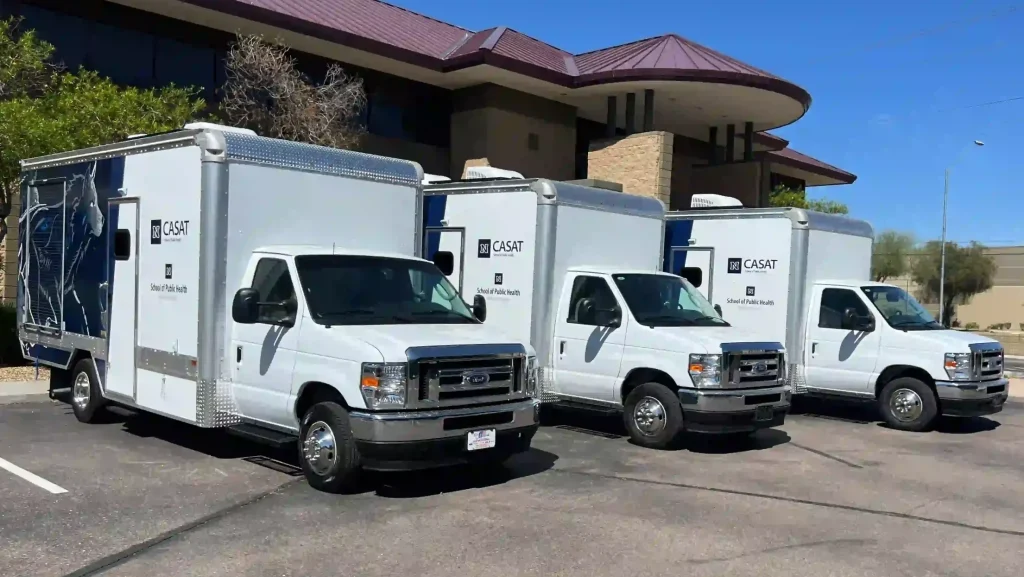
Discuss Your Vehicle
Review Magnum’s mobile medical clinics as you develop your climate brief.
Explore Magnum’s mobile dental clinics for your program.
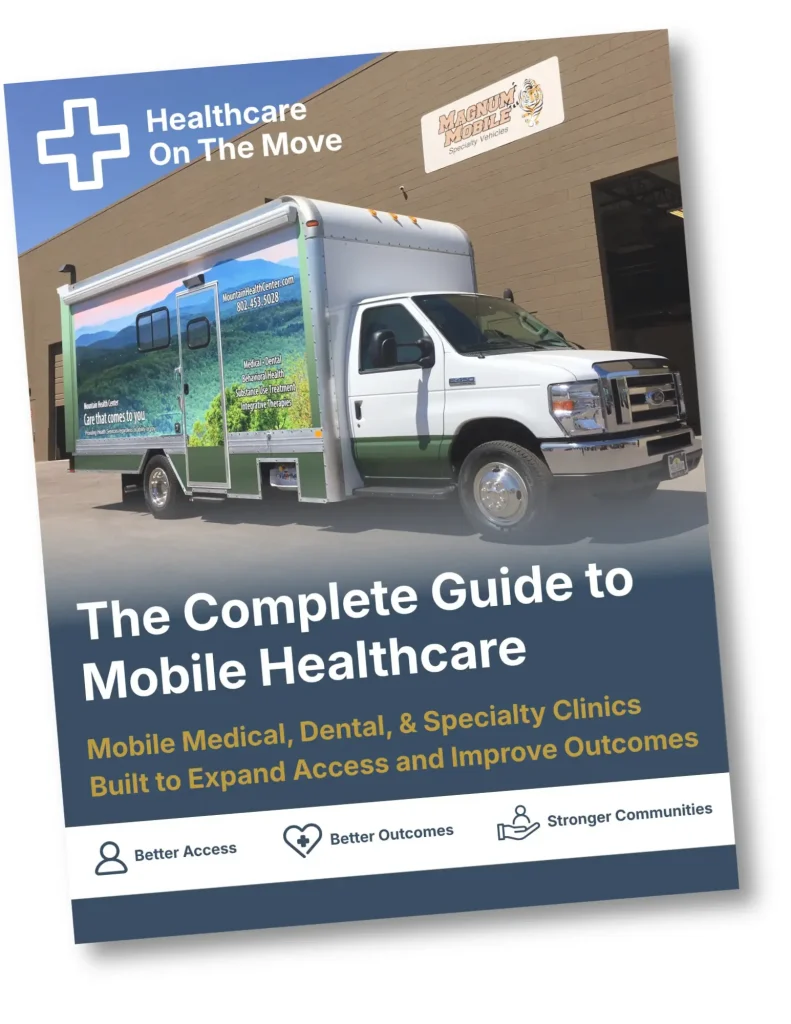
Get the Free Buyer Guide
Access the Mobile Healthcare Buyer Guide request page.
Trusted Nationwide
Trusted by Leading Healthcare Organizations
Trusted by healthcare providers, public agencies, universities, and nonprofit organizations to deliver high-quality mobile specialty vehicles.







Built to Support
Organizations Across Every Sector
Delivering mobile solutions for healthcare, education, government, nonprofit, and commercial applications.
Healthcare
Education
Government
Non-Profit
Public Safety
Corporate
Ready to Get Started
Let’s Build a Solution That Moves Care Forward
Tell us about your operation and our team will help build the right mobile vehicle solution for your needs.