
Vehicle Selection
Mobile Medical Clinic Manufacturers Compared: Capabilities and Services
Compare documented vehicle capabilities and program services before building your shortlist.
Compare mobile medical clinic manufacturers by the vehicle formats they offer, how they design around your services, and the support included in the contract. Also distinguish a vehicle purchase from an agreement that includes staffing or program operations.
A company with the most options is not automatically the right fit. Your shortlist should reflect where you will park, the patients you will serve, the equipment you need, and who will run the clinic.
This guide compares publicly documented capabilities from Magnum Mobile Specialty Vehicles, AVAN Mobility, and Mission Mobile Medical. It is a starting point for buyer questions, not a ranking of quality, price, or clinical outcomes.
Company information was reviewed on October 6, 2026. Models, service packages, and availability can change. Request a current proposal that identifies the exact vehicle and responsibilities being offered.
Start with a service brief: intended visits, staff roles, exam-space needs, access requirements, operating locations, and the budget available for both the vehicle and the program.
Mobile Medical Clinic Manufacturers at a Glance
| Company | Documented focus |
|---|---|
| Magnum Mobile Specialty Vehicles | Medical vans, trailers, and larger drivable clinics; consultation, design, manufacturing, delivery, and support. |
| AVAN Mobility | Mobile medical van solutions, including clinic and outreach configurations; in-house design and manufacturing with customer-care support. |
| Mission Mobile Medical | Clinic purchase and leasing, plus full-service program options. Vehicle-only and operational-service scopes should be distinguished. |
What the table means: these businesses offer different paths to a mobile program. Select the path first, then compare the specific proposals within that path.
A van-focused proposal, a multi-room drivable clinic, and a staffed service agreement can solve different needs. Their headline prices do not represent the same purchase.
Ask every supplier to show the exact chassis or trailer, floor plan, included equipment, utility systems, and delivery scope. A company-level description does not confirm an individual model configuration.
Use the same written service brief for all bidders. Record missing answers as unconfirmed rather than assuming that a feature or service is included.
Why Magnum Belongs on Your Mobile Clinic Shortlist
Magnum gives organizations room to choose around their mission. Its medical clinic range spans vans, trailers, and multiple sizes of drivable clinics. Buyers can compare formats around exam-space needs, travel, and host-site constraints within one manufacturer’s range.
Magnum’s consultation-to-delivery process brings program goals into design and configuration, then carries the project through manufacturing, delivery, and support. That creates a clear path for turning an outreach idea into a vehicle specification your team can evaluate.
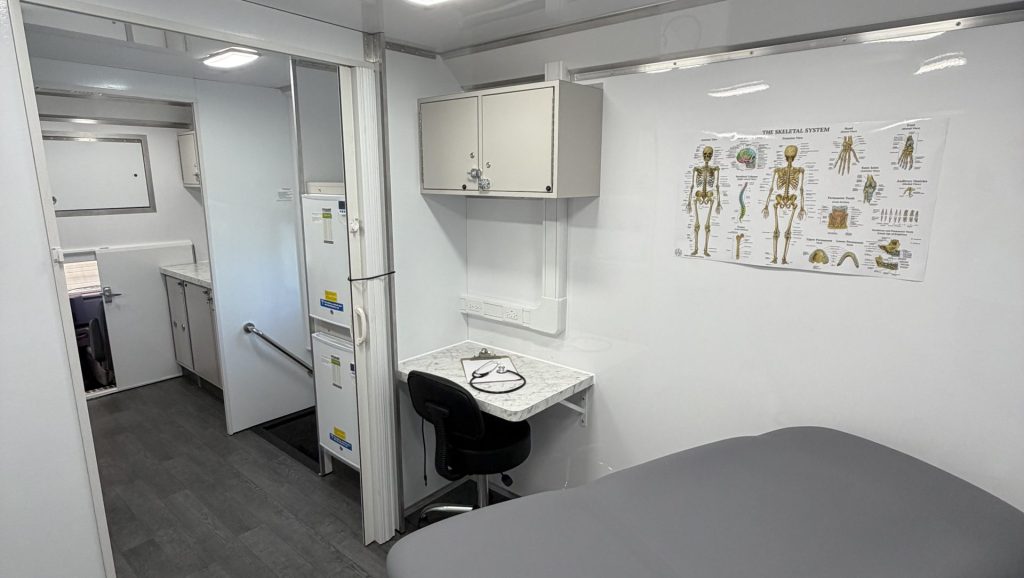
Why put Magnum on your shortlist? If your organization plans to operate its own clinic and wants to explore several vehicle formats and configurable layouts, Magnum offers a useful place to start. Ask the team to recommend a format and explain equipment, training, and support responsibilities for your proposal.
AVAN Mobility: Mobile Medical Van Solutions
AVAN Mobility describes mobile medical van solutions, including clinic, outreach, and other service configurations, with in-house engineering and manufacturing. Its public information also describes discovery and needs analysis before build and delivery.
AVAN describes customer-care resources after delivery. Buyers should confirm the current chassis options, layout choices, training, and service arrangements for the configuration under consideration.
Ask AVAN: Can the proposed van fit our exam workflow, equipment, and patient-access needs? What are its usable space and loaded-vehicle constraints? Which modifications are available?
A van can be worth exploring when frequent travel and smaller sites matter. Evaluate the actual layout and operating footprint before deciding that a van will fit every location.
Where multiple private rooms or larger equipment are required, ask for a measured layout review. That question is more useful than assuming a vehicle format is always suitable or unsuitable.
Mission Mobile Medical: Vehicle and Program Options
Mission Mobile Medical documents clinic purchasing, leasing, and full-service paths. Its offerings include medical, dental, behavioral, and specialized clinic options.
Mission also describes program support, with full-service options that can include an operator, planning, workflows, maintenance, and, when requested, clinicians. The agreed service scope determines what an organization actually receives.
Ask Mission: Are we buying or leasing a clinic, or contracting for an operated program? Who provides clinical staff, schedules sites, handles maintenance, and owns the equipment?
For a service agreement, request a responsibility schedule and renewal terms. Compare operating days, service levels, exclusions, and exit arrangements as well as the vehicle itself.
A program that needs outside operational help may have a different shortlist from an organization with its own clinical and fleet teams. Define that need before requesting prices.
Do not compare a bundled operating agreement with a vehicle-only quote without separating the included work and contract duration.
What to Compare in Every Manufacturer Proposal
Vehicle and layout: confirm dimensions, doors, usable rooms, patient entry, storage, staff circulation, and how equipment is secured for travel.
Systems and integration: document power demand, water, climate control, connectivity, and equipment installation. Identify what is standard, optional, or supplied by your organization.
Design and acceptance: ask who approves the floor plan, when changes become chargeable, and how the configured unit will be inspected before handover.
Support: request written warranty terms and service contacts for the chassis, conversion, installed systems, and clinical devices. These can involve different providers.
Commercial scope: compare payment milestones, freight, training, quote validity, and current availability. Confirm all timing and coverage commitments in the proposal.
How to Build a Useful Shortlist
Build a simple comparison sheet with one column per proposal and one row per requirement. Mark each item included, optional, excluded, or unconfirmed.
Give the most weight to requirements that determine whether the clinic can perform its intended work. A layout mismatch can outweigh an attractive accessory or lower starting price.
Include your clinical lead, fleet manager, and facilities or IT contact in the review. They can spot different risks in the same proposal.
For example, a program with its own team might compare configured vehicles and delivery support. A program without an operator may need a separate staffing plan or an operated-service proposal.
Shortlist the suppliers that can document a fit, then resolve remaining questions in writing. Keep the final comparison tied to specific configurations rather than general marketing claims.
Mobile Medical Clinic Manufacturer FAQs
Who is the best mobile medical clinic manufacturer?
There is no single best choice for every program. Compare vehicle fit, design capabilities, equipment integration, contractual support, and the services your organization needs.
Do all mobile clinic manufacturers operate the clinic?
No. A vehicle build and an operated healthcare program are different scopes. Ask who supplies drivers, clinicians, scheduling, maintenance, and ongoing management.
Can I compare manufacturers by starting price?
A starting price is useful for early research, but it does not establish comparable scope. Request configured quotes with equipment, options, delivery, training, and exclusions listed.
What should I send when requesting a mobile clinic quote?
Send your service plan, staff and room needs, equipment list, access requirements, operating locations, budget range, and target launch date. Ask the supplier to identify assumptions.
Bring Your Mobile Healthcare Vision to Magnum
Bring your mobile healthcare vision to Magnum. Start with the patients you want to reach and the services you want to deliver. Magnum’s team can help translate those needs into vehicle formats and a configuration worth evaluating.
Explore Magnum’s mobile medical clinics to see how different sizes and layouts can support your program. A focused consultation helps narrow the options before you commit to a build.
You do not need every design detail settled before the first conversation. Bring your service goals, preliminary equipment list, and site constraints, then work with Magnum toward an itemized scope.
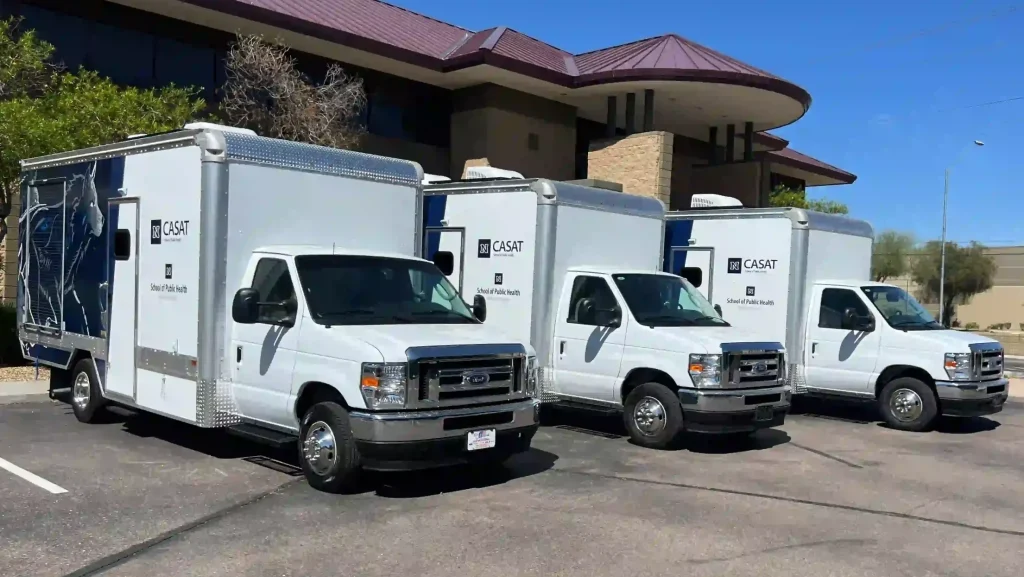
Find a Fit for Your Program
Choosing a manufacturer starts with your services, locations, and operating team.
Compare vehicle formats and clarify the responsibilities in each proposal.
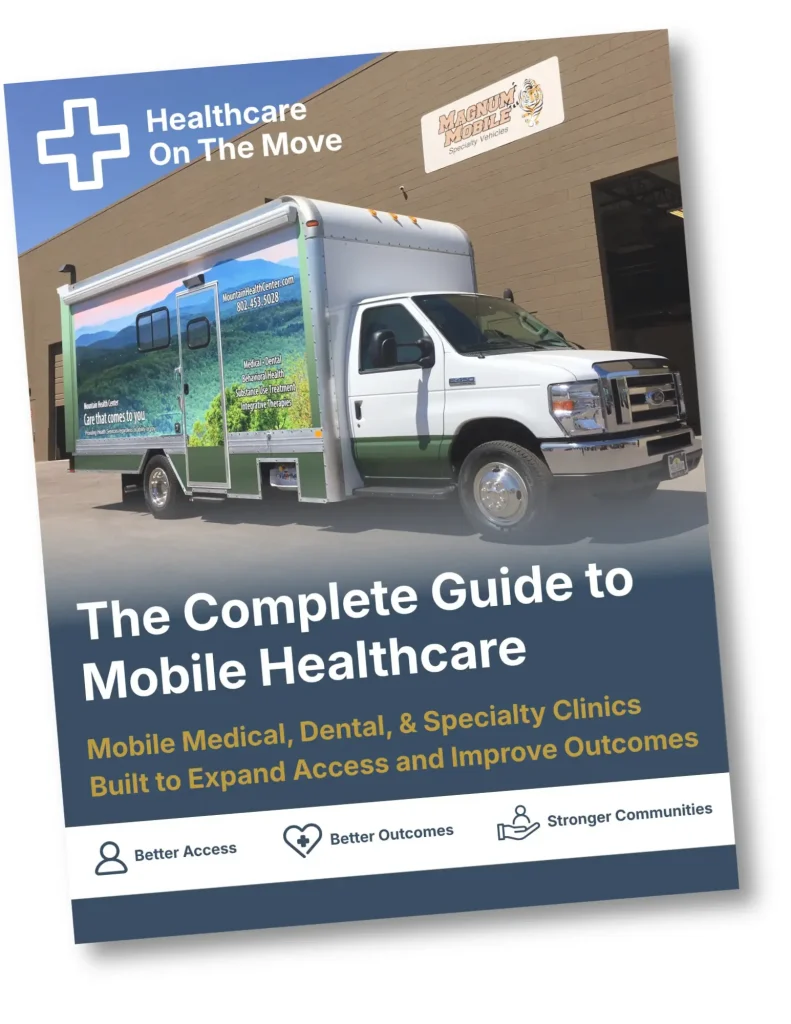
Mobile Healthcare Buyer Guide
Use the buyer guide to prepare your mobile healthcare vehicle shortlist.
Trusted Nationwide
Trusted by Leading Healthcare Organizations
Trusted by healthcare providers, public agencies, universities, and nonprofit organizations to deliver high-quality mobile specialty vehicles.







Built to Support
Organizations Across Every Sector
Delivering mobile solutions for healthcare, education, government, nonprofit, and commercial applications.
Healthcare
Education
Government
Non-Profit
Public Safety
Corporate
Ready to Get Started
Let’s Build a Solution That Moves Care Forward
Tell us about your operation and our team will help build the right mobile vehicle solution for your needs.