
Mobile Preventive Screening • Program and Vehicle Planning
Planning a Mobile Preventive Screening Program
Connect screening outreach with results and follow-up
Quick answer
Plan a mobile screening program around a defined audience, clinically approved services, suitable host sites, patient flow, equipment, and a clear results and referral process. Bring those requirements to Magnum Mobile to discuss the vehicle, then test the complete deployment and follow-up workflow before expanding.
A mobile screening program starts with the people you want to reach and the service your clinical team has approved. The vehicle should support that plan, including what happens after a screening visit.
Access to a screening appointment is only one part of the program. Results communication, referral arrangements, and follow-up responsibilities help connect outreach with the next stage of care.
Magnum Mobile can discuss a vehicle around your screening workflow and equipment needs. Explore our mobile medical clinics, then bring your program brief to our team.
1. Define the audience and screening scope
Begin with a specific population and a clearly defined service. Your clinical leadership should decide which screenings are appropriate and how the program will deliver them.
Community need: Talk with local partners about access barriers and the intended audience. Use that information to choose locations and outreach methods rather than assuming attendance.
Approved screening scope: Identify the services, eligibility process, required staff, and applicable procedures with the responsible clinical team. Translate that approved scope into space and equipment requirements.
Patient expectations: Explain what the visit includes and what it does not establish. Screening results may require further evaluation; your clinical team should define the appropriate patient messaging.
Program ownership: Name the people responsible for staffing, supplies, scheduling, records, partnerships, and operating funds. A vehicle needs a sustainable program behind its recurring visits.
2. Build the results and referral pathway
Design the follow-up pathway before scheduling the first deployment. Establish who communicates results and how patients connect with the appropriate next step.
Results process: Confirm how results are reviewed, communicated, and documented through your organization’s approved process. Assign responsibility when results become available after the vehicle leaves.
Referral arrangements: Confirm partners, contact methods, and the handoff process. Your clinical team should define responses to findings that require further evaluation and review how follow-up completion will be tracked.
3. Map patient flow and host support
Walk through the full visit with the staff who will operate the program. Distinguish vehicle-based tasks from activities supported by the host site.
Arrival and registration: Decide where patients check in, receive information, and wait. Review communication needs, appointment scheduling, and how the team handles incomplete information.
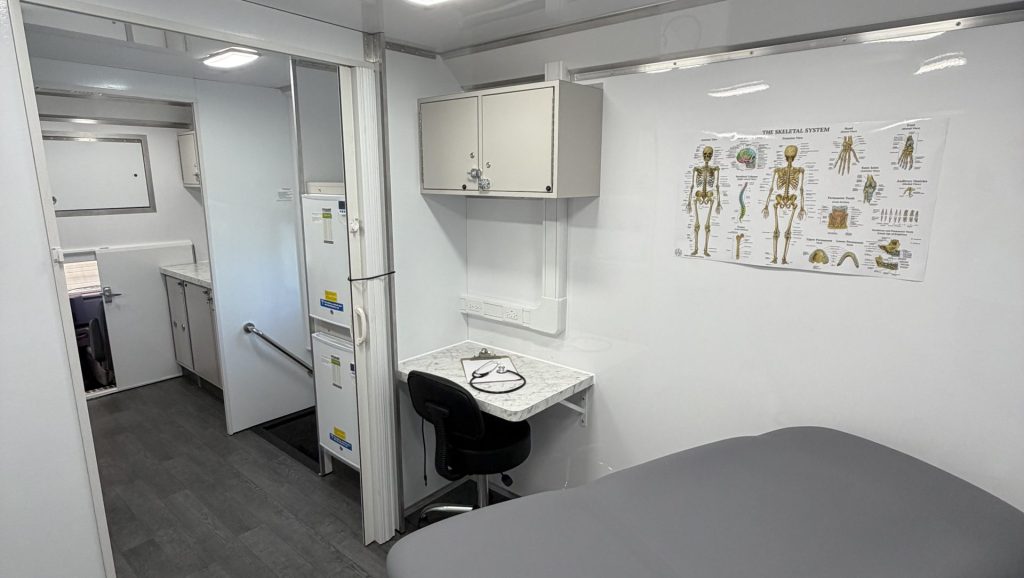
Service areas: Define the space needed for the approved screening workflow, staff movement, equipment access, and private conversations. Discuss those requirements with Magnum before choosing a layout.
Entry and circulation: Review the visitor approach, vehicle entry features, and interior movement. Include doors, lifts or ramps, staff work areas, and any supporting host facilities in site planning.
Departure and next steps: Explain how patients receive instructions and follow-up information. Confirm how staff document the visit and hand off outstanding tasks.
4. Review equipment and vehicle needs
The equipment list should reflect the screening services your clinical team has approved. Exact specifications make the vehicle integration discussion more useful.
Model information: Provide dimensions, operating requirements, utilities, and access needs for each item. Identify equipment installed in the vehicle and equipment your team will carry between locations.
Layout and privacy: Review equipment position, patient movement, staff circulation, and the space needed for conversations. A floor plan should be evaluated against the actual visit sequence.
Power and connectivity: Describe simultaneous equipment use, service duration, host utilities, and documentation systems. Have the appropriate technical and IT teams review the proposed arrangements and interruption plans.
Supplies and handling: Define storage, cleaning, waste, and any specimen-related requirements through your organization’s approved procedures. Bring the resulting equipment and space needs to the builder.
Deployment conditions: Include climate, travel, parking access, setup, and overnight storage. These conditions help explain what the vehicle must support outside the screening appointment itself.
5. Test the program and follow-up
Test the proposed deployment and the work that follows it. A pilot is more useful when it checks both on-site workflow and the handoff after the visit.
Rehearse the day: Account for preparation, travel, host access, setup, appointments, closing, and return tasks. Use the rehearsal to identify missing arrangements and unrealistic timing assumptions.
Check the handoffs: Review how staff transfer responsibility for records, results, referrals, and patient questions. Confirm that unresolved tasks have an owner.
Track practical measures: Review attendance, workflow delays, completed results communication, and referral follow-up as appropriate to your program. Separate operational measures from clinical outcomes.
Refine before expanding: Address equipment, site, staffing, and follow-up issues before adding routes or promising more capacity. Record what changed and review the next deployment against the updated plan.
6. Prepare a vehicle brief for Magnum Mobile
Your vehicle brief should connect the approved screening program with its day-to-day operation. Magnum can use those requirements to discuss configuration and integration.
Services and workflow: Bring the audience, approved scope, visit sequence, staffing, privacy needs, and activities supported by the host. Explain whether other services may be added later.
Equipment and deployment: Share model specifications, utilities, operating hours, representative sites, travel patterns, and storage arrangements. Flag unresolved questions for review.
Clinical planning resource: For cancer-related screening, the National Cancer Institute’s screening resources discuss screening concepts, tests, and potential benefits and harms. Your qualified team should determine the services appropriate to your population.
Explore Magnum’s consultation-to-delivery process and discuss your screening vehicle requirements with our team. A clear program brief helps turn outreach goals into a focused vehicle conversation.
Frequently Asked Questions About Mobile Screening Programs
What screenings can a mobile clinic provide?
Your qualified clinical team determines the approved services, staffing, equipment, and procedures. Magnum can discuss the vehicle configuration and equipment integration needed to support that defined scope.
Does a screening result establish a diagnosis?
Screening and diagnostic evaluation have different roles. Your clinical team should explain what each service can establish and define appropriate review, further evaluation, and patient communication.
How many people can a mobile screening program serve?
Capacity depends on the screening workflow, visit requirements, staffing, equipment, service hours, and host arrangements. Test the complete process before committing to a daily number.
Who handles follow-up after the vehicle leaves?
Your organization should assign responsibility for results communication, referrals, documentation, and patient questions before deployment. Confirm the handoff with participating staff and referral partners.
Plan Your Screening Vehicle With Magnum Mobile
Build the vehicle plan around the complete screening pathway. Bring your services, equipment, workflow, and deployment needs to Magnum Mobile.
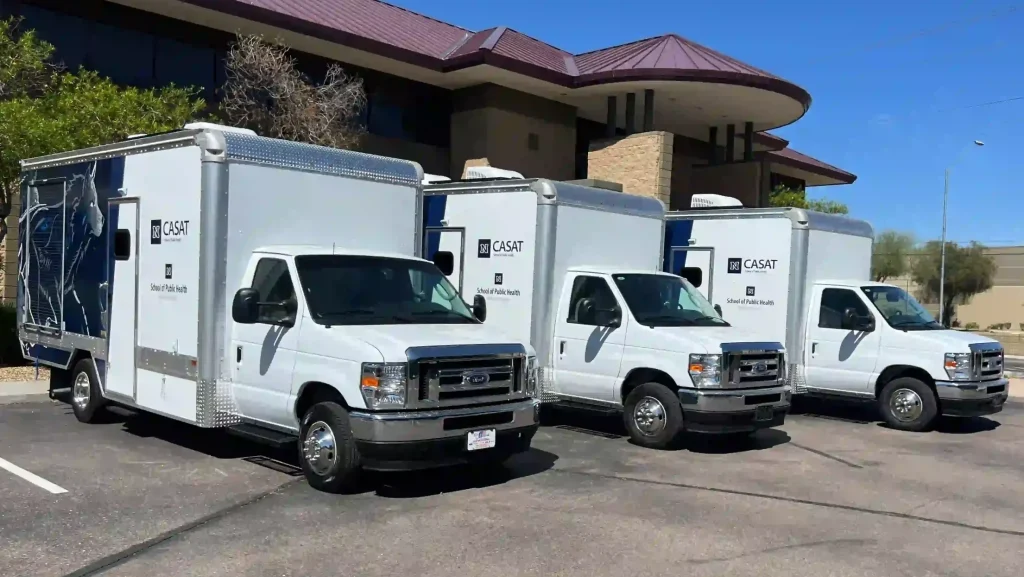
Explore Magnum’s mobile medical vehicles for your approved program.
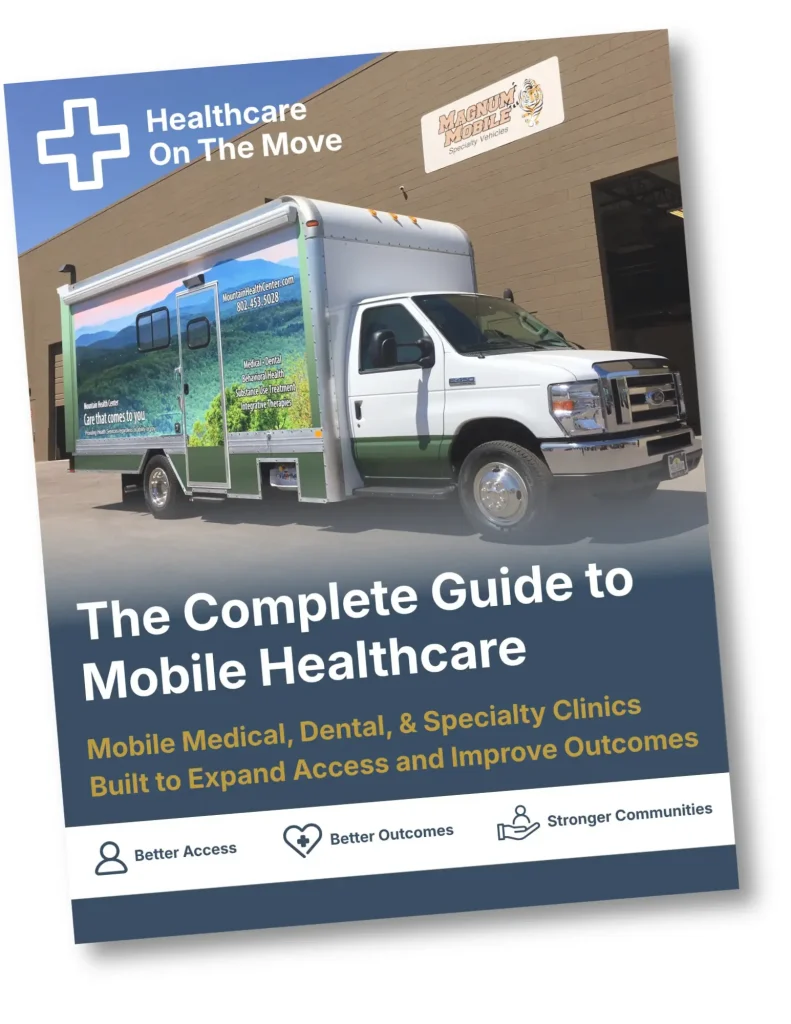
Request the free Mobile Healthcare Buyer Guide for broader purchase planning.
Discuss Your Vehicle
Review mobile medical clinic options for your screening workflow.
Explore Magnum’s planning and build process before your consultation.
Get the Free Buyer Guide
Request the Mobile Healthcare Buyer Guide through the guide page.
Trusted Nationwide
Trusted by Leading Healthcare Organizations
Trusted by healthcare providers, public agencies, universities, and nonprofit organizations to deliver high-quality mobile specialty vehicles.







Built to Support
Organizations Across Every Sector
Delivering mobile solutions for healthcare, education, government, nonprofit, and commercial applications.
Healthcare
Education
Government
Non-Profit
Public Safety
Corporate
Ready to Get Started
Let’s Build a Solution That Moves Care Forward
Tell us about your operation and our team will help build the right mobile vehicle solution for your needs.