
Veterinary Program Funding • Donor Presentation
How to Present a Mobile Veterinary Project to Donors
Show how the vehicle supports a defined, sustainable animal-care program
Quick answer
Present a mobile veterinary project to donors by connecting a documented community need with a specific service plan, the vehicle and equipment required, a complete budget, and measurable reporting. Explain who will operate the program, what support is confirmed, what remains to be funded, and how services continue after the vehicle is delivered. Keep projections clearly labeled and the funding request tied to a defined scope.
A vehicle photo can help a donor visualize the project, but the presentation also needs to explain the work behind that image. Who will provide care, where will visits happen, and what resources will keep the program operating?
Build the case around your organization’s evidence and operating decisions. Use the vehicle configuration to show how the program can be delivered, rather than treating the purchase itself as proof of future results.
Magnum Mobile can discuss configurable layouts, commercial-grade materials, and integrated vehicle systems around your operating plan. Explore our mobile animal care vehicles and request the Mobile Animal Care Buyer Guide through its guide page.
1. Start with the animals and community need
Explain the problem your organization intends to address in plain language. Describe the animals, owners, or communities involved and the specific barrier the proposed service would help address.
Local evidence: Use dated records, partner observations, service requests, or relevant research. Identify the source, geography, time period, and limitations instead of borrowing an unrelated national figure as a local forecast.
Service fit: Explain why the proposed services and locations respond to that need. Show how the mobile program connects with existing veterinary care, shelters, hosts, or referral partners.
Honest framing: Separate a documented access problem from assumptions about participation or outcomes. Describe the evidence you have and what the launch period will help you learn.
Opening summary: Prepare a short statement covering who the program serves, what it will do, where it will operate, and the support being requested. Use the same scope throughout the presentation.
2. Explain the operating plan behind the vehicle
Give donors a practical picture of the proposed service day. Have the responsible veterinary and operating teams review the services, animals, staffing, sites, and follow-up arrangements before using them in a funding request.
Delivery model: Describe the initial schedule, host responsibilities, animal intake and care sequence, client communication, records, cleaning, restocking, and vehicle storage. Identify which commitments are confirmed.
| Donor question | Evidence to prepare |
|---|---|
| Who will deliver care? | Responsible clinical leadership, staff roles, and coverage assumptions |
| Where will the program operate? | Proposed route, suitable host sites, and the status of partner commitments |
| What happens after a visit? | Client instructions, records, follow-up, and referral arrangements |
| What is ready and what is unresolved? | A dated launch checklist with owners and dependencies |
3. Connect the vehicle configuration to the services
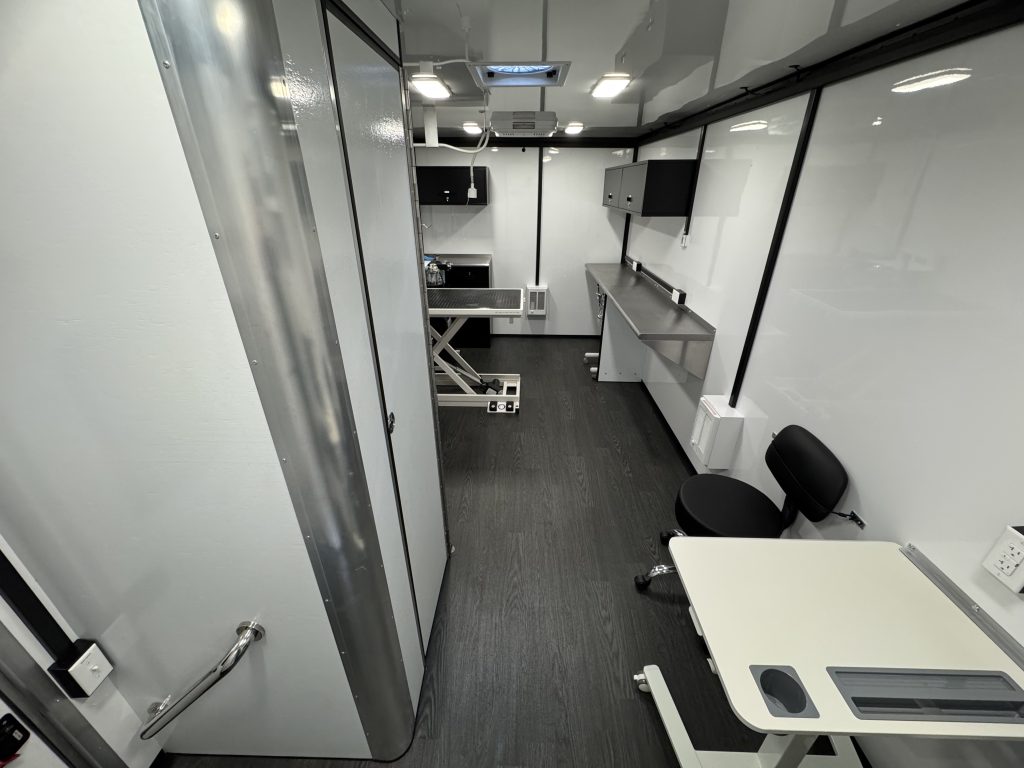
Explain the purpose of the main spaces and systems in the proposed vehicle. Show why they belong in the service model rather than presenting a feature list without context.
Clinical space: Link examination, treatment, preparation, and any holding or recovery arrangements to the veterinarian-approved workflow. Describe the animals and staff the layout must accommodate.
Equipment: Identify the actual proposed devices and who supplies them. Distinguish included, optional, organization-supplied, and future items so the proposal matches the budget.
Deployment systems: Explain power, climate control, water where applicable, communications, storage, and site access in terms of the intended operation. Confirm current configuration details with the builder.
Presentation materials: Use the current drawing, configuration description, and written proposal with their dates and status. Clearly identify illustrative photos so donors do not mistake another organization’s vehicle for your final specification.
4. Show the acquisition and operating budget together
Present the resources needed to acquire the unit and launch services alongside the resources needed to operate it. Have your organization’s finance and development teams review the assumptions and presentation.
Acquisition: Identify the configured vehicle, equipment, integration, branding, delivery, and other relevant project costs. Base figures on the current written scope and identify items still being estimated.
Recurring operation: Include staff, clinical supplies, fuel, storage, utilities, communications, cleaning, upkeep, equipment service, and program coordination as appropriate to the plan.
Funding status: Separate confirmed support, the current request, and any remaining gap. Label pending grants, prospective donations, and unconfirmed in-kind contributions accurately.
Timing: Explain when resources are needed and which milestones depend on funding, staffing, host readiness, and vehicle decisions. Avoid presenting a hoped-for delivery or launch date as a confirmed commitment.
Proposal resource: Candid’s guidance on proposal budgets can help the development team connect the project narrative, required resources, and support being requested. Follow each funder’s own instructions.
5. Define what you will report to supporters
Choose a small set of measures the team can collect consistently. Explain what the measures show, how they will be recorded, and how often supporters will receive an update.
Activities: Track deployments, locations served, service days, appointments, and services delivered using clear definitions. Distinguish unique animals from visits and individual services.
Operating experience: Review attendance, cancellations, staff workload, follow-up needs, host feedback, costs, and downtime. These measures can help explain whether the operating assumptions are workable.
Targets and results: Label prelaunch figures as estimates or goals and explain their basis. Report actual results with their time period and context rather than presenting planned capacity as completed care.
Learning: Describe how the organization will use findings to adjust outreach, scheduling, staffing, or services. Keep reporting expectations aligned with the commitments the team can support.
6. Make a specific request and prepare the next conversation
Close the presentation with a clear request tied to the approved project scope. Identify the next step, the responsible contact, and the information the donor can review.
Donor packet: Include a concise case statement, service plan, current configuration and budget, funding status, implementation milestones, and reporting plan. Keep supporting detail available without crowding the main presentation.
Internal review: Ask clinical, operations, finance, and development leaders to check that the narrative, numbers, drawings, and commitments describe the same project.
Vehicle discussion: Review Magnum’s veterinary vehicle configurations and our consultation-to-delivery process to prepare questions about your proposed unit. Confirm the actual scope before using specifications in the funding case.
Discuss your mobile veterinary project with Magnum Mobile and request a configured proposal your team can use in its planning.
Mobile Veterinary Donor Presentation FAQs
What should a mobile veterinary donor presentation include?
Include the documented need, animals and communities served, services, operator and staffing plan, sites, vehicle scope, acquisition and operating budgets, funding request, implementation dependencies, and reporting plan.
Should we request a vehicle quote before approaching donors?
A current configured proposal can help make the vehicle scope and cost assumptions concrete. Your team can also begin early donor conversations with clearly labeled planning estimates and unresolved decisions.
Can projected appointments be presented as program impact?
Present projections as targets or planning assumptions, with their basis and limits. Keep actual completed care separate from available capacity, and distinguish animals served, visits, and individual services.
How can Magnum support the vehicle-planning part of the proposal?
Bring approved services, animal sizes, workflow, equipment, staffing, sites, utilities, budget, and timing. Magnum can discuss configurations and clarify the proposed vehicle and integration scope for your planning.
Build a Clear Veterinary Vehicle Proposal With Magnum
Magnum Mobile connects your program brief with configurable animal-care spaces, commercial-grade materials, and integrated vehicle systems. Share the services and operating plan behind your funding case so our team can discuss a specific vehicle configuration.
Explore Magnum’s mobile animal care vehicles and compare configurations for your program.
Request the free Mobile Animal Care Buyer Guide to prepare your purchase planning questions.

Discuss Your Vehicle
Make the donor case around a defined service plan and a complete operating budget.
Bring your veterinary project scope, equipment, staffing, sites, and planning questions to Magnum.
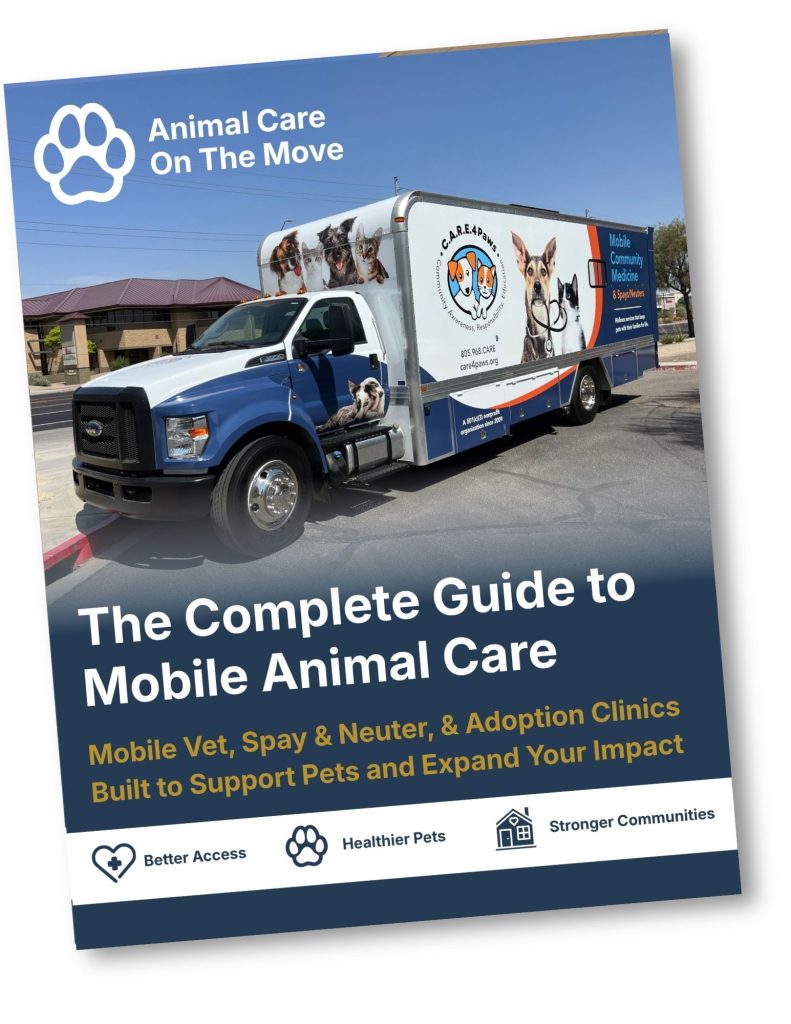
Get the Free Buyer Guide
Request the Mobile Animal Care Buyer Guide through the guide page.
Trusted Nationwide
Trusted by Leading Organizations
Trusted by healthcare providers, animal care programs, public agencies, universities, and nonprofit organizations for mobile specialty vehicles.







Built to Support
Organizations Across Every Sector
Delivering mobile solutions for healthcare, education, government, nonprofit, and commercial applications.
Healthcare
Education
Government
Non-Profit
Public Safety
Corporate
Ready to Get Started
Let’s Build a Solution That Moves Care Forward
Tell us about your operation and our team will help build the right mobile vehicle solution for your needs.