
Veterinary Outreach • Vaccination Program Planning
How to Plan a Mobile Veterinary Vaccination Program
Connect veterinary protocols, community access, and a practical service-day plan
Quick answer
Plan a mobile veterinary vaccination program by defining the animals and communities served, securing veterinary oversight, choosing reliable host sites, and mapping the complete appointment. Establish product-specific storage and handling, staff roles, records, client instructions, follow-up, and clinical contingency procedures with the responsible veterinarian. Use those decisions to specify the vehicle’s workspace, equipment, power, storage, and deployment needs.
A vaccination event needs more than a vehicle and a line of waiting clients. The program has to connect community communication, appointment preparation, veterinary decisions, animal handling, product management, documentation, and ongoing client support.
Begin with the veterinarian’s approved service model and a realistic first schedule. A focused launch gives the organization a clearer basis for planning staff, supplies, hosts, and the mobile workspace.
Magnum Mobile can discuss configurable layouts, commercial-grade materials, and integrated vehicle systems around your operating plan. Explore our mobile animal care vehicles and request the Mobile Animal Care Buyer Guide through its guide page.
1. Define the audience and veterinary service model
Describe who the program intends to reach and the access problem it addresses. Use local partner input and your organization’s experience to define an initial service area and schedule.
Animals and scope: Identify the species, expected sizes, and services under consideration. Have the veterinarian define clinical eligibility, assessment, vaccination protocols, and referral or follow-up arrangements.
Program boundaries: Explain what the event can provide and what it cannot. Distinguish the planned outreach appointment from broader ongoing veterinary care so clients receive clear information.
Oversight: Confirm the clinical leadership, staff roles, supervision, records, and location-specific operating requirements before announcing services. Identify who resolves clinical questions at each event.
Professional resource: Veterinary teams planning canine services can consult the AAHA canine vaccination guidelines. Species- and patient-specific decisions belong with the responsible veterinarian.
2. Choose hosts and explain the appointment clearly
Evaluate potential hosts for community access and operational reliability. Confirm the proposed location, schedule, communication responsibilities, and resources each party will provide.
Client preparation: Have the veterinary team specify appointment instructions, records to bring, animal-handling arrangements, expected services, and how clients can ask questions before attending.
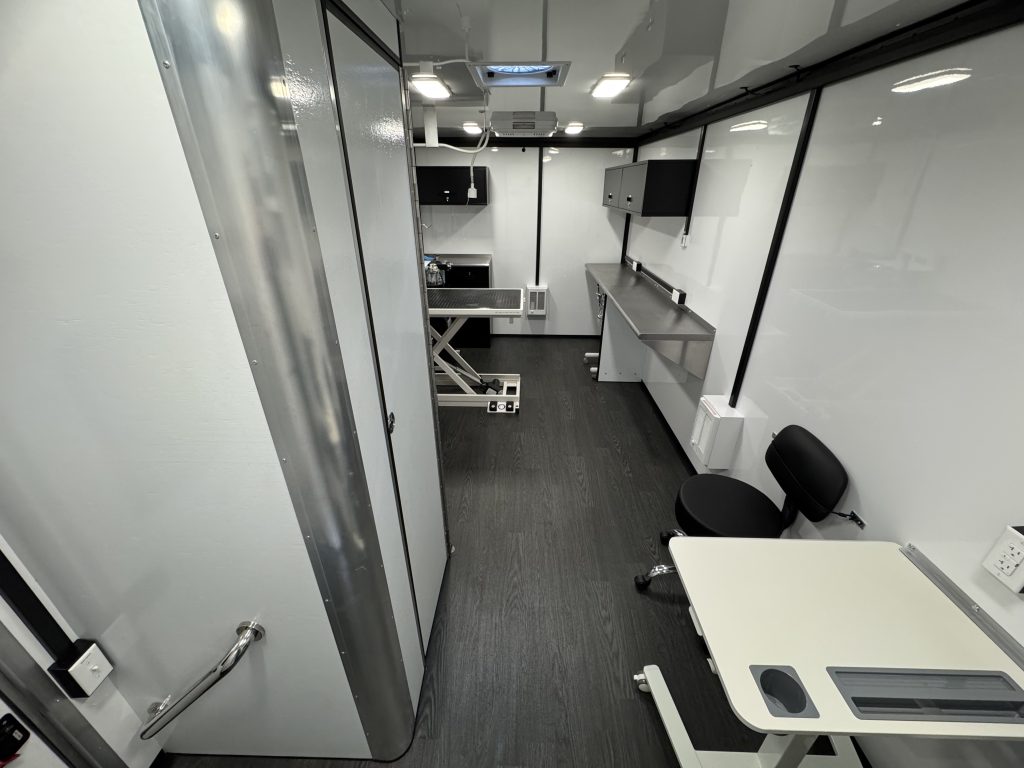
| Host-site question | Planning decision |
|---|---|
| Where will people and animals arrive and wait? | Agreed routes, check-in, waiting, and weather alternatives |
| Can the vehicle operate there? | Measurements for parking, turning, doors, access equipment, and utilities |
| Who communicates changes? | A named contact and a plan for delays or cancellations |
| What support is confirmed? | Written responsibilities for host space, utilities, staffing, and event coordination |
3. Map animal flow and the full appointment
Walk through a representative visit with the clinical team and handlers. Include the client, animal, records, supplies, and staff handoffs at every stage.
Intake: Define identification, history or documentation review, client communication, and the process for animals needing a different appointment or service.
Clinical workspace: Have the veterinarian define the examination or treatment setup, handling approach, supplies, and equipment. Test staff access around the intended animal sizes.
Departure: Plan the record, instructions, follow-up information, and any observation or other clinical requirements established by the veterinarian. Keep the client’s next steps clear.
Turnover: Include cleaning, restocking, documentation, and waste handling in the schedule. Appointment capacity should reflect the entire workflow and available staff, rather than the time needed for one task.
4. Plan vaccine storage, handling, and supporting systems
Give product management a defined place in the operating plan and vehicle brief. Assign trained staff to the procedures established by the veterinarian and product suppliers.
Product requirements: Follow each product’s labeling and manufacturer instructions for storage and handling. AAHA’s vaccine storage and handling guidance directs teams to product-specific recommendations.
Equipment: Identify the proposed storage, transport, monitoring, and documentation equipment with the veterinary team. Provide the builder with specifications and the space, access, and utility requirements.
Power: Discuss what must remain powered during travel, setup, appointments, and storage between events. Review the planned operating response if power or equipment becomes unavailable.
Inventory: Define ordering, receipt, stock control, preparation, return, and disposal procedures under the program’s protocols. Plan secure storage for supplies and a clear separation from waste or used items.
Accountability: Record who checks and documents equipment and product readiness, who can resolve a concern, and when services must be delayed. Do not assume installing a refrigerator completes the product-handling plan.
5. Confirm staffing, records, and event contingencies
Build a staffing plan for the complete day, including driving, setup, client coordination, clinical work, animal handling, documentation, cleaning, and shutdown.
Coverage: Identify which roles can reasonably overlap and which need dedicated attention. Review breaks, absences, and an event that runs longer than expected.
Records: Choose how the team identifies animals, records services, provides client documentation, and accesses information at later visits. Include connectivity, devices, privacy, and backup arrangements in the workspace review.
Clinical contingencies: Have the veterinarian establish procedures for an animal needing additional assessment, an adverse event, urgent care, or referral. Identify how the site, equipment, staff, and communications support that plan.
Program review: Track attendance, completed visits, cancellations, staff workload, product use, operating costs, and follow-up questions. Use the findings to revise scheduling and outreach before expanding the route.
6. Translate the program into a Magnum vehicle brief
Magnum Mobile can discuss a veterinary vehicle configuration around the service workflow, equipment, animals, and sites your program defines. Bring the operating plan into the layout conversation early.
Clinical and equipment brief: Provide approved services, animal sizes, staff roles, visit flow, storage and handling requirements, equipment specifications, supplies, records, and client communication needs.
Deployment brief: Share site measurements, host commitments, utilities, weather conditions, routes, storage arrangements, schedule, budget, and launch goals. Identify assumptions still being tested.
Configuration review: Compare Magnum’s mobile veterinary clinic options and confirm the proposed equipment and integration scope in writing. Review the specific vehicle rather than assuming all vaccination programs need the same format.
Mobile Veterinary Vaccination Program FAQs
What vehicle does a veterinary vaccination program need?
Compare specific configurations against the approved services, animals, staffing, equipment, storage and handling, records, sites, and visit workflow. A focused service does not eliminate the need to review the complete operating day.
Can a mobile vehicle’s refrigerator be the whole vaccine-storage plan?
No. The veterinary team must define product-specific handling, transport, monitoring, inventory, documentation, staff responsibilities, and responses to equipment or power problems, following manufacturer instructions.
How many animals can a mobile vaccination program see per day?
There is no universal number. Review intake, clinical work, animal handling, documentation, any veterinarian-required steps, cleaning, staffing, setup, and travel before setting a schedule.
What should we prepare before asking Magnum for a quote?
Bring your approved service plan, species and sizes, staffing, workflow, equipment specifications, storage and power requirements, host sites, budget, and timing so Magnum can discuss a configured proposal.
Plan a Veterinary Outreach Vehicle With Magnum Mobile
Magnum Mobile brings configurable animal-care spaces, commercial-grade materials, and integrated vehicle systems to your outreach planning. Share your veterinary service model, equipment, staff workflow, and operating sites so our team can discuss a configuration around your program.
Explore Magnum’s mobile animal care vehicles and compare configurations for your program.
Request the free Mobile Animal Care Buyer Guide to prepare your purchase planning questions.

Discuss Your Vehicle
Plan the full veterinary outreach visit, from client preparation to records and follow-up.
Bring your service scope, vaccine-handling equipment, power needs, staffing, and sites to Magnum.
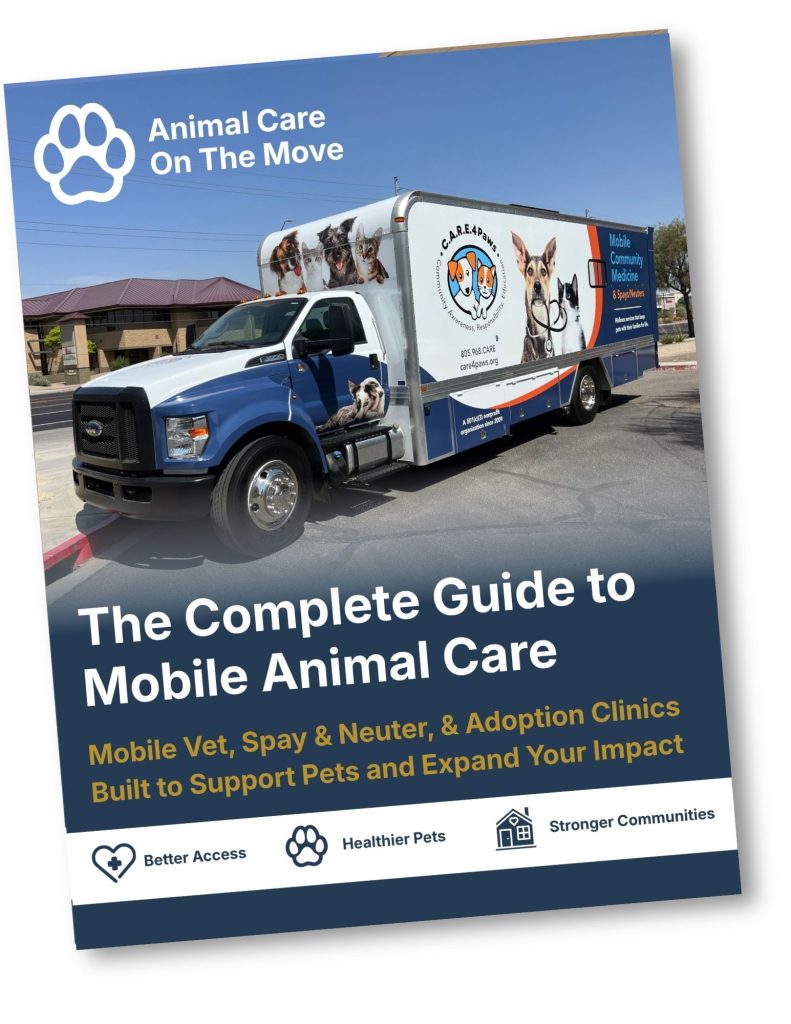
Get the Free Buyer Guide
Request the Mobile Animal Care Buyer Guide through the guide page.
Trusted Nationwide
Trusted by Leading Organizations
Trusted by healthcare providers, animal care programs, public agencies, universities, and nonprofit organizations for mobile specialty vehicles.







Built to Support
Organizations Across Every Sector
Delivering mobile solutions for healthcare, education, government, nonprofit, and commercial applications.
Healthcare
Education
Government
Non-Profit
Public Safety
Corporate
Ready to Get Started
Let’s Build a Solution That Moves Care Forward
Tell us about your operation and our team will help build the right mobile vehicle solution for your needs.