
Multi-Service Mobile Clinic Planning
How to Plan a Mobile Clinic for Multiple Services
Connect the Service Mix With a Practical Vehicle Configuration
Quick answer
Plan a multi-service mobile clinic by defining each service, its staff, equipment, space, utilities, and patient pathway. Decide which activities run together and which occur on different schedules. Compare shared and dedicated areas, room preparation, storage, and deployment before approving the floor plan with your operating team and builder.
A broader service list creates more design decisions. Each activity needs a clear operating role, suitable equipment, and enough supporting space to work within the complete vehicle plan.
Start with the services the program is ready to operate. Separate those confirmed requirements from future possibilities so the initial configuration has a practical, reviewable scope.
Magnum Mobile designs configurable specialty vehicles around operational needs. Bring a service-by-service brief to the design discussion to connect your program with rooms, equipment integration, storage, and supporting systems.
Define the Requirements of Each Intended Service
Define the intended activities before comparing vehicle formats. A service name alone does not describe the equipment, staffing, or room requirements needed to support it.
Activities: Have the clinical team describe what happens during the visit and which spaces the patient uses.
Equipment: Identify proposed models, dimensions, installation information, working clearances, and relevant supplier requirements.
Staff: List the roles involved, who uses each workspace, and which activities depend on the same person.
Mark services as confirmed, pending, or possible future additions. Discuss how unresolved choices affect the design rather than treating every possible service as an approved requirement.
Decide When and How the Services Will Operate
Decide whether services operate concurrently, sequentially during one visit, or on different days. These arrangements create different demands on rooms, equipment, staff, and supporting systems.
A shared room may serve different activities on separate schedules when the responsible team confirms the arrangement. Review equipment changes, preparation, supplies, and storage needed between uses.
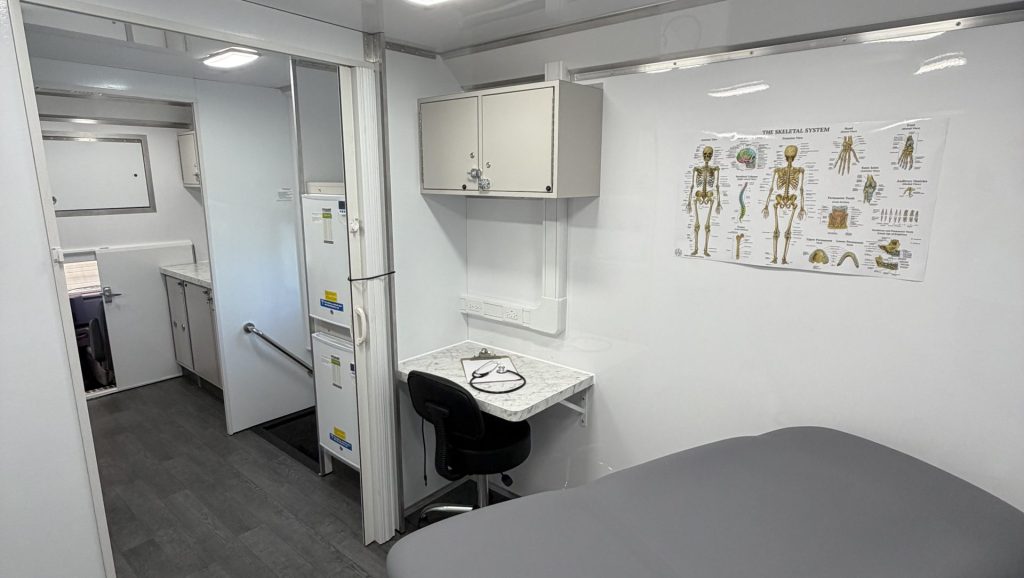
Concurrent services need a workable plan for staff, patient movement, shared resources, and occupied spaces. Explain the intended schedule to Magnum before assuming the same layout supports every operating pattern.
Compare Shared and Dedicated Clinical Spaces
Compare shared and dedicated areas around the service requirements. A room is useful when its purpose, equipment, and relationship to supporting activities are clear.
Dedicated space: Identify activities whose equipment, privacy, working clearance, or operating requirements need a specific room arrangement.
Shared space: Define which activities can use the same area and the preparation required between them.
Equipment movement: Review whether equipment remains installed, moves between areas, or is stored when not in use.
Tradeoffs: Compare clinical space with intake, documentation, storage, and other functions rather than evaluating room count alone.
Plan Utilities, Storage, and Supporting Resources
Plan the supporting resources for the complete service mix. Some constraints arise from systems, supplies, and shared tasks rather than the size of a clinical room.
Utilities: Provide electrical and other relevant equipment specifications, including the devices intended to operate at the same time.
Storage: List supplies, quantities, handling requirements, and the materials or equipment needed when the service changes.
Shared tasks: Review intake, documentation, patient questions, room preparation, and follow-up responsibilities across services.
Equipment readiness: Assign purchasing, delivery, installation, commissioning, training, and support responsibilities for selected items.
Have the responsible clinical team review the operating procedures and equipment choices. Magnum can discuss vehicle design and integration around the requirements that team identifies.
Test Patient Flow and Changes Between Services
Test patient and staff movement using realistic service scenarios. Review both the routine visit and the moments when several activities compete for the same space or resource.
Single-service visit: Trace arrival, intake, the clinical activity, instructions, and departure for each service.
Combined visit: Describe transitions between activities, occupied rooms, shared equipment, and the staff guiding the patient.
Service change: Walk through preparation, restocking, equipment movement, and the next activity’s setup.
Include host-site conditions, patient access, waiting arrangements, and the exterior setup footprint. A workable interior still needs a deployment plan that supports the intended services.
Prepare a Service-by-Service Configuration Brief
Prepare a configuration brief that connects the service mix with the proposed vehicle. Give the builder a clear basis for comparing layouts and explaining their tradeoffs.
Service schedule: List confirmed activities, staff roles, patient transitions, concurrency, and changes between services.
Equipment and space: Provide models, specifications, clearances, shared or dedicated areas, storage, and utilities.
Deployment and priorities: Include sites, access needs, setup tasks, purchasing responsibilities, and future services still under consideration.
Review the proposed floor plan and equipment scope with Magnum before approval. Confirm what the configuration supports now and which future changes would require further design or integration review.
Multi-Service Mobile Clinic FAQs
Can one mobile clinic offer multiple services?
A configured vehicle may support a defined service mix. Review equipment, staffing, space, utilities, patient flow, and operating requirements for the specific services rather than assuming every combination fits.
Do all services need separate rooms?
Review the intended activities with the clinical team. Some may share space on an appropriate schedule; others may need dedicated equipment, privacy, or working areas.
Can services run at the same time?
Evaluate staff, rooms, utilities, equipment, intake, and patient movement together. Concurrent operation needs a practical plan for shared resources and occupied areas.
How should we plan for future services?
Identify them separately from the confirmed scope and discuss their likely requirements with the builder. Confirm which changes the proposed configuration could support and which would need further review.
Plan Your Service Mix With Magnum Mobile
Magnum Mobile helps organizations connect operational goals with a configured specialty vehicle. A defined service mix gives the design conversation a practical foundation for reviewing layouts, equipment integration, storage, and deployment.
Explore Magnum’s medical clinics, dental clinics, and build process to begin discussing your program’s configuration.
Request the Mobile Healthcare Buyer Guide for planning considerations covering services, layouts, equipment, and vehicle selection.
Ready to review a vehicle around your service mix? Contact Magnum Mobile with your service-by-service brief and equipment schedule to start a configured proposal.
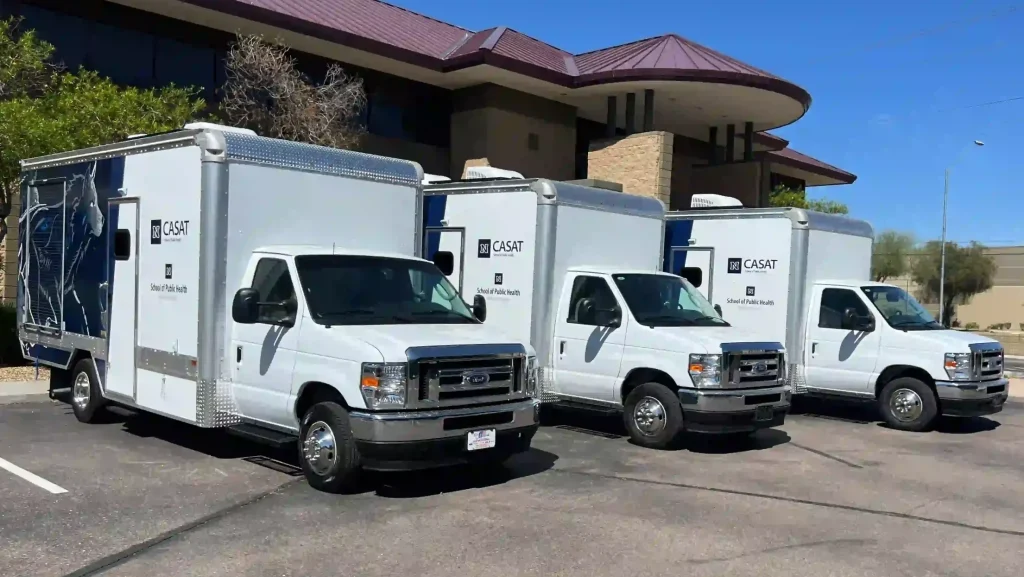
Discuss Your Vehicle
Bring your confirmed services, equipment, and operating schedule to a Magnum consultation.
Discuss shared and dedicated spaces around your team’s actual workflow.
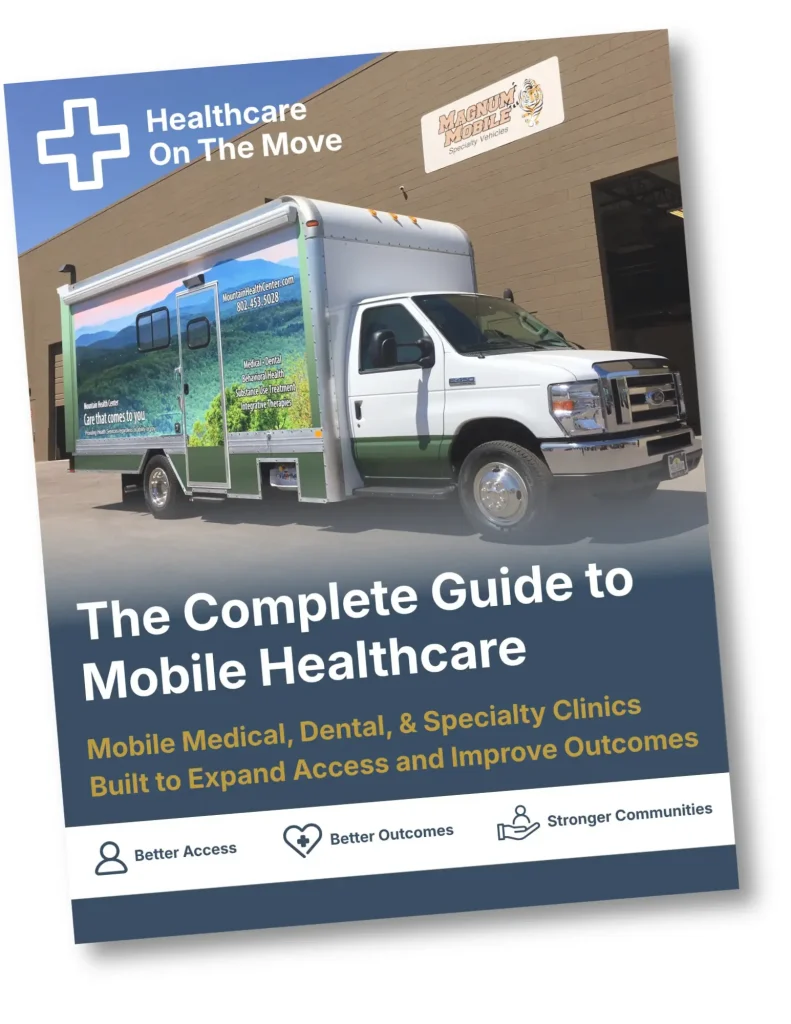
Get the Free Buyer Guide
Get planning considerations for service mix, equipment, layouts, and vehicle selection.
Trusted Nationwide
Trusted by Leading Healthcare Organizations
Trusted by healthcare providers, public agencies, universities, and nonprofit organizations to deliver high-quality mobile specialty vehicles.







Built to Support
Organizations Across Every Sector
Delivering mobile solutions for healthcare, education, government, nonprofit, and commercial applications.
Healthcare
Education
Government
Non-Profit
Public Safety
Corporate
Ready to Get Started
Let’s Build a Solution That Moves Care Forward
Tell us about your operation and our team will help build the right mobile vehicle solution for your needs.