
Mobile Vaccination Clinic • Program and Vehicle Planning
Planning a Mobile Vaccination Clinic
Turn immunization outreach into a practical vehicle plan
Quick answer
Plan a mobile vaccination clinic by defining the population, services, host sites, clinical leadership, patient flow, vaccine storage and handling arrangements, equipment, power, and follow-up process. Use those requirements to discuss a vehicle with Magnum Mobile, then test the deployment before expanding the schedule.
A mobile vaccination clinic can bring an immunization program to places where your intended audience already gathers. The first planning step is deciding which access problem your organization wants the program to address.
A vehicle supports the program, but the organization operates it. Build the staffing, clinical, host-site, supply, and communication plan alongside the vehicle brief so the unit has a clear role from its first visit.
Magnum Mobile builds vehicles around operational needs. Explore our mobile medical clinics, then share your proposed vaccination workflow and equipment requirements with our team.
1. Define the audience and service scope
Start with a specific population and purpose. This helps your team select partners, locations, outreach methods, and a realistic initial schedule.
Access problem: Identify the barriers your program intends to address, such as travel distance or appointment availability. Validate the need with local partners and the people you hope to serve.
Clinical scope: Your qualified clinical leadership should define the services, eligibility process, and applicable requirements. Share the approved scope with the team developing the vehicle brief.
Service format: Decide how appointments or walk-in visits will work, which tasks happen onboard, and which need host support. Label early volume estimates as assumptions to test.
Program ownership: Identify who manages staffing, supplies, records, scheduling, and ongoing funding. The vehicle purchase is one part of a recurring operating commitment.
2. Confirm partners and host sites
A host partnership should support both access to the community and the practical needs of the vehicle. Confirm responsibilities before promoting a visit.
Audience and communication: Agree on how the host will help inform the intended audience, confirm timing, and explain the visit process. Address language and communication needs through your program’s planning.
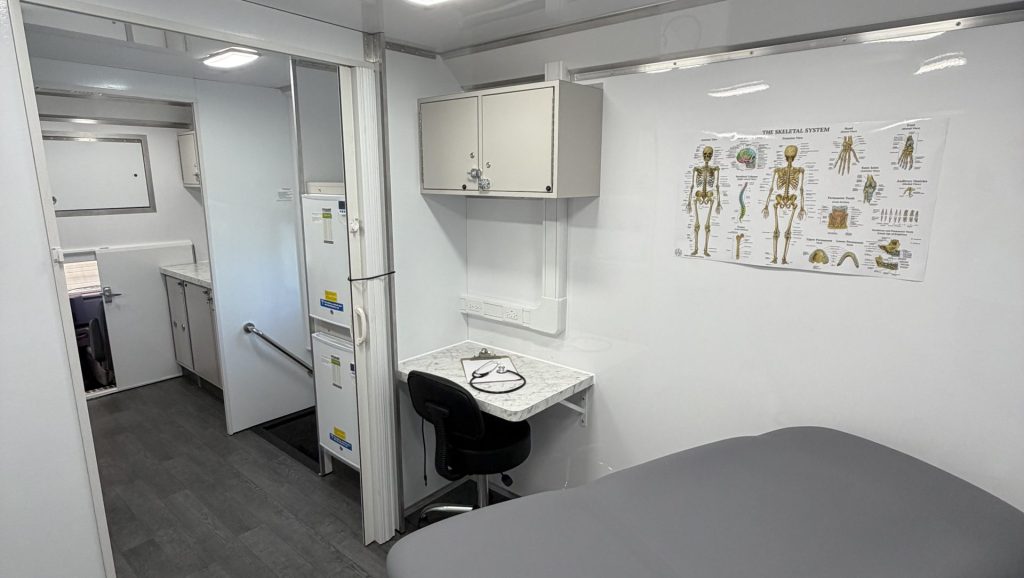
Site readiness: Review arrival access, the complete operating footprint, utilities, visitor approach, and any supporting facilities. Name a host contact and document the arrangements before scheduling.
3. Map the patient and staff workflow
Walk through the proposed visit from arrival to departure. Include patient movement, staff tasks, documentation, and activities the clinical team requires after vaccination.
Arrival and registration: Decide where visitors check in and how the team handles questions or incomplete information. Clarify what happens onboard and what the host provides.
Private conversation and service: Describe the space your clinical team needs for its approved workflow. Discuss privacy, equipment access, staff circulation, and the layout with Magnum.
Post-service activities: Your clinical leadership should define observation or other post-vaccination requirements and the appropriate arrangements. Include the space, staff, and site support those tasks need.
Departure and follow-up: Define how patients receive records, instructions, and information about any future visit. Assign responsibility for documentation and continuity after the unit leaves.
4. Review vaccine and equipment needs
Equipment and vaccine handling requirements should be established by the responsible program team, then translated into a vehicle integration discussion.
Storage and transport plan: Review your program’s requirements with its qualified team. The CDC’s vaccine storage and handling resources address procedures, monitoring, transport, and temperature-excursion planning for healthcare professionals.
Exact equipment models: Share specifications for storage equipment, monitoring devices, workstations, and other items to be installed or carried. Identify dimensions, utilities, access, and mounting needs.
Power throughout the deployment: Explain needs at base, during travel, at the host site, and after the visit. Have the relevant teams review supply, duration, monitoring, and interruption arrangements.
Supplies and workspace: Define storage, task space, cleaning, and waste-management needs through your organization’s approved procedures. Review those requirements during the layout discussion.
Connectivity and records: Confirm the applications, devices, and connection needs for your documentation process. Your IT team should review access, security, support, and interruption procedures.
5. Test the complete service day
Test the planned deployment before treating it as a repeatable service model. A rehearsal can reveal missing host arrangements and unrealistic time assumptions.
Include the full day: Account for preparation, travel, setup, visits, closing, and return tasks. The appointment window should fit inside the complete operating schedule.
Test staff handoffs: Review who drives, prepares the vehicle, handles each visit stage, and completes closing tasks. Confirm that responsibilities remain clear when staff change.
Review practical results: Track attendance, workflow delays, host issues, supply planning, and follow-up completion as appropriate to your program. Use the findings to refine the next deployment.
Confirm readiness before expanding: Resolve outstanding access, equipment, staffing, and operational questions. Add routes or service hours when your team has evidence that the plan can support them.
6. Prepare a vehicle brief for Magnum Mobile
A useful vehicle brief explains the approved program and the conditions in which the unit will work. Magnum can use it to discuss configuration and equipment integration.
Service and workflow: Bring the audience, service scope, visit sequence, staff roles, and tasks that require private or dedicated space. Include host-supported activities.
Equipment and deployment: Share the model specifications, utility needs, storage plan, operating hours, and representative sites. Flag unresolved technical questions for review.
Priorities and growth: Separate essential requirements from future possibilities. Explain whether the same vehicle may support other approved services later.
Review Magnum’s consultation-to-delivery process and discuss your mobile vaccination vehicle brief with our team. Clear program decisions make the build conversation more focused.
Frequently Asked Questions About Mobile Vaccination Clinics
What vehicle does a mobile vaccination clinic need?
The appropriate vehicle depends on the workflow, staff, equipment, storage, access, and host support your program requires. Share the approved service plan with Magnum before deciding on size and layout.
Does a mobile vaccination clinic need onboard vaccine storage?
Your responsible clinical and supply teams should define the storage and transport approach. Discuss the exact equipment, monitoring, power, and deployment requirements with the builder when integration is needed.
How many people can a mobile vaccination clinic serve?
Capacity depends on the approved workflow, staffing, visit requirements, service hours, and site arrangements. Test the complete process before promising a daily number; vehicle size alone does not establish throughput.
Does Magnum operate the vaccination program?
Magnum builds and configures specialty vehicles. Your organization provides clinical leadership, staff, supplies, procedures, host agreements, and program operations.
Plan Your Vaccination Vehicle With Magnum Mobile
Give your vaccination program a vehicle plan built around its workflow. Bring your audience, services, equipment, and deployment needs to Magnum Mobile.
Explore Magnum’s mobile medical vehicles for your proposed program.
Request the free Mobile Healthcare Buyer Guide for broader purchase planning.
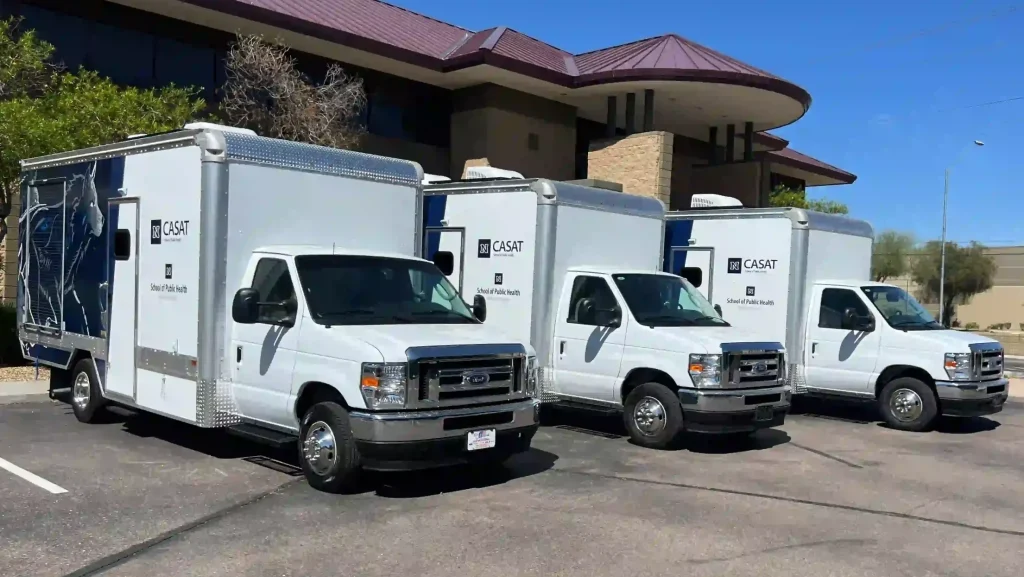
Discuss Your Vehicle
Review mobile medical clinic options for your approved workflow.
Explore Magnum’s planning and build process before your consultation.
Get the Free Buyer Guide
Request the Mobile Healthcare Buyer Guide through the guide page.
Trusted Nationwide
Trusted by Leading Healthcare Organizations
Trusted by healthcare providers, public agencies, universities, and nonprofit organizations to deliver high-quality mobile specialty vehicles.







Built to Support
Organizations Across Every Sector
Delivering mobile solutions for healthcare, education, government, nonprofit, and commercial applications.
Healthcare
Education
Government
Non-Profit
Public Safety
Corporate
Ready to Get Started
Let’s Build a Solution That Moves Care Forward
Tell us about your operation and our team will help build the right mobile vehicle solution for your needs.