
Mobile Adoption Decisions
Should Your Animal Shelter Purchase a Mobile Adoption Unit?
Evaluate outreach demand, partners, staffing, animal care, and operating costs before buying.
A mobile adoption unit is worth considering when your shelter has a clear outreach need, suitable event locations, a staffed animal-care plan, and a budget to operate it regularly. It is a way to bring your adoption program into the community, with the vehicle supporting the work your team already plans to do.
Start with the problem you want to solve. Are prospective adopters struggling to reach your shelter? Do established community events offer a useful audience? Is your current event setup limiting the animals or materials you can bring?
Magnum’s mobile animal care buyer guide places adoption outreach alongside veterinary and spay/neuter programs. The common starting point is the organization’s mission, the animals it serves, and how it plans to operate.
Buying the vehicle is one decision; building a repeatable outreach program is another. Use the questions below to assess both before requesting a configuration.
The strongest purchase case connects the unit to specific events, responsible staff, and measurable adoption-program goals. Visibility helps create opportunities, but it does not guarantee completed adoptions.
Five Questions Before Purchasing an Adoption Unit
Five questions before purchasing a mobile adoption unit
- Which communities and adopters will we reach?
- Which partners can host suitable events?
- Who will operate the unit and care for the animals?
- What purchase and operating costs can we sustain?
- How will we measure results and improve the program?
A practical starting document: one page showing your outreach goal, proposed calendar, staff roles, animal-care requirements, budget, and the decisions still open.
Compare that plan with your current events. Identify the limitations the vehicle would address instead of treating the unit itself as the goal.
Discuss the plan with the people responsible for adoption, animal care, transportation, events, facilities, and finances. Each team will see requirements that a purchase proposal alone can miss.
Then review Magnum’s mobile pet adoption unit as a vehicle option and ask how its configuration can support your program.
Identify the Outreach Need You Want to Address
Describe the audience your current program is missing. Use your existing adoption and event records, partner conversations, and community feedback to identify a useful outreach opportunity.
Set a specific goal, such as creating more adoption conversations in a particular community or reaching residents who rarely visit the shelter. Keep the target clear enough to evaluate after events.
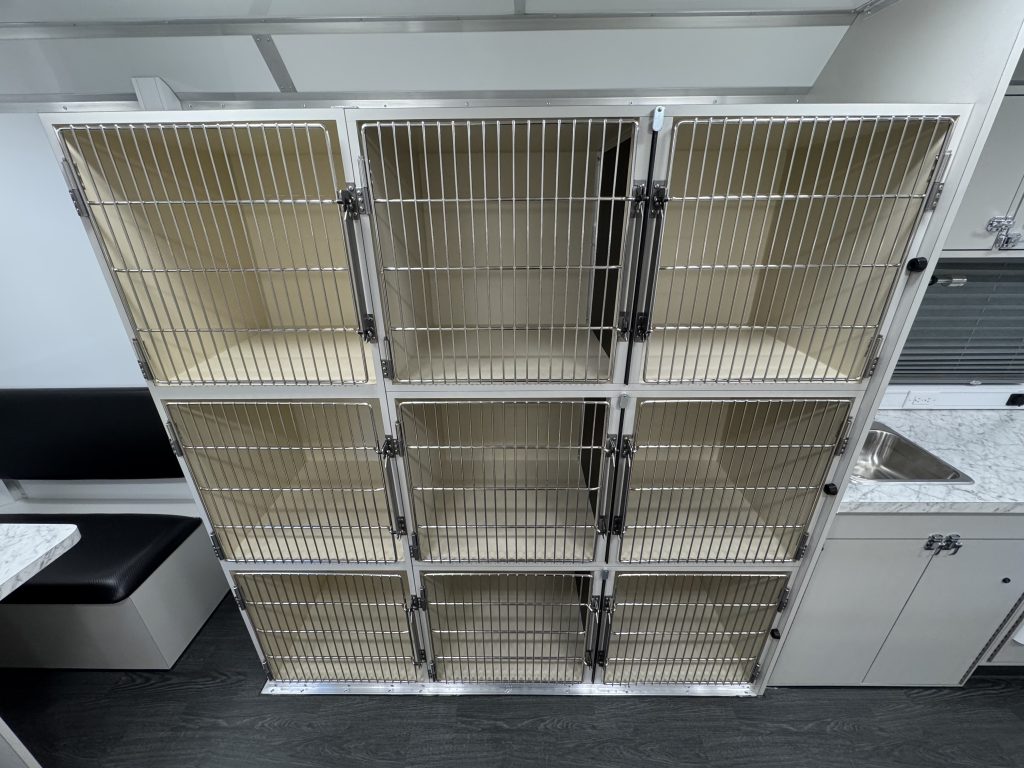
Consider how an event connects to the rest of the adoption process. Visitors may complete an adoption, submit an application, schedule a shelter visit, or need follow-up information; the team should know how each path is handled.
Build a Suitable Event and Partner Calendar
A reliable host calendar gives the vehicle a job to do. Identify partner locations before assuming the unit will be busy throughout the year.
Ask each host about space for the parked and deployed vehicle, the animal and visitor areas, utility arrangements, event hours, and the responsibilities your organizations will share.
Compare expected attendance with the audience you want to reach. A large event is not automatically the best adoption setting; relevance, staff capacity, and animal-care needs deserve attention.
Plan arrival, setup, cleanup, and departure alongside the public event. Include weather-related decisions and the locations available if an event must change or be cancelled.
If your shelter already runs off-site events, use those experiences to test the proposal. Record the setup burdens, space limitations, and partner needs a dedicated unit could address.
Plan Staffing and Animal Care
Assign the people who make outreach work. Define driving and setup roles, animal-care responsibilities, public engagement, adoption processing, and follow-up.
Have your animal-care team define which animals participate, the housing and handling requirements, and how staff observe and support them during travel and events.
Match the vehicle configuration to those requirements. Review enclosure sizes and intended use, access, storage, staff working areas, climate-control arrangements, and the event’s deployed footprint.
Discuss how public viewing connects to your approved interaction and adoption process. Decide where staff will speak with visitors and where paperwork or digital records will be handled.
Bring the daily operating plan to the layout review. The animal-care guide’s focus on services, volume, equipment, and operating locations applies to adoption programs too.
Magnum can discuss the vehicle and installed systems with your team. Your shelter remains responsible for staffing, animal-care procedures, event management, and adoption decisions.
Compare Purchase and Ongoing Operating Costs
Budget beyond the purchase quote. Build a program estimate that includes the unit, agreed options, graphics, delivery arrangements, and equipment or supplies outside the builder’s scope.
For operation, consider staff time, travel, fuel or power, insurance, parking, cleaning, maintenance, event costs, and routine supplies. Use your own expected schedule and quotes instead of a universal cost-per-event assumption.
Separate money available for acquisition from ongoing operating support. A funded vehicle still needs a sustainable plan for people, care, upkeep, and outreach.
Compare ownership with the arrangements your shelter can actually access, such as continuing current events or partnering on an existing unit. Evaluate the total work and cost each option requires.
Ask Magnum for a configuration that fits your requirements and budget. Its adoption-unit product page is a starting point; the proposal should identify included features and selected upgrades.
Define Results and Test Your Assumptions
Define success before the first event. Track the outreach activities and adoption outcomes that matter to your shelter, with enough information to understand where results come from.
Useful measures may include events completed, staff hours, adoption conversations, applications, completed adoptions linked to the event, and follow-up visits. Choose measures your team can collect consistently.
Record animal-care and operational feedback as well. A useful program review considers the quality of the event and the workload, alongside the adoption totals.
If uncertainty is high, test the proposed audience or partner schedule using an approach already available to your shelter. The pilot can help refine the unit’s requirements before purchase.
Use those findings in Magnum’s consultation and design process. A clear outreach plan makes it easier to discuss a vehicle that serves your mission.
Mobile Adoption Unit FAQs
Will a mobile adoption unit guarantee more adoptions?
No. The unit can support community outreach, but results depend on the audience, animal-care plan, staffing, event execution, and adoption process. Define your goals and track outcomes.
Is a mobile adoption unit the same as an animal transport vehicle?
The intended use matters. An adoption program needs features for its event workflow as well as any agreed travel requirements. Discuss the actual use, animal housing, and configuration rather than relying on a vehicle label.
What should a shelter prepare before requesting a quote?
Prepare its outreach goals, event partners, animal-care requirements, staff roles, operating locations, budget, and launch plans. Identify the features that would improve its current event setup.
Can Magnum help us evaluate the vehicle configuration?
Yes. Bring your program requirements to the consultation so Magnum can discuss layouts, installed systems, equipment, and options. Your shelter’s operating team should review how the proposal fits its work.
Explore a Magnum Adoption Unit for Your Shelter
Bring your shelter’s mission into the community. Magnum’s mobile adoption solution gives your team a vehicle option to evaluate around its animals, staff, hosts, and outreach goals.
Explore the 26ft Magnum mobile pet adoption unit and discuss how the configuration could fit your shelter’s event program.
Use the mobile animal care buyer guide to organize your questions before a consultation.

Explore Magnum’s Mobile Adoption Unit
Give your mobile adoption proposal a clear outreach purpose.
Explore Magnum’s adoption unit and discuss your animals, events, staff, and operating requirements.
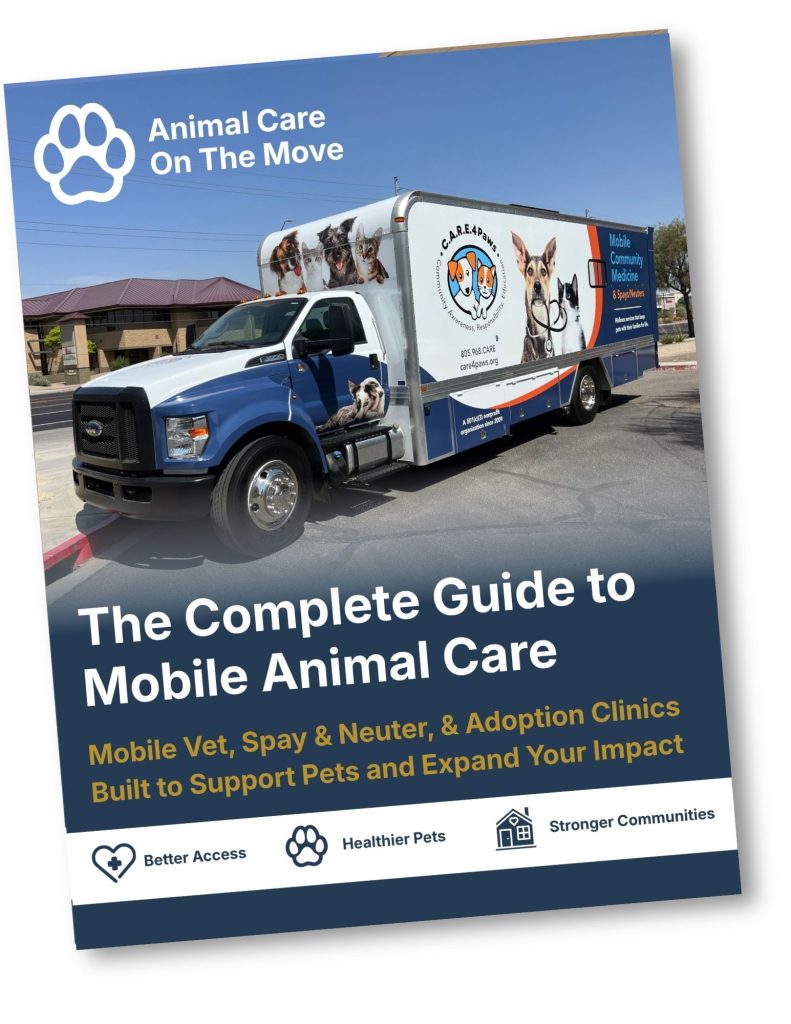
Mobile Animal Care Buyer Guide
Plan your animal-care program with Magnum’s mobile animal care buyer guide.
Trusted Nationwide
Trusted by Organizations Nationwide
Trusted by healthcare providers, public agencies, universities, and nonprofit organizations to deliver high-quality mobile specialty vehicles.





Built to Support
Organizations Across Every Sector
Delivering mobile solutions for healthcare, education, government, nonprofit, and commercial applications.
Healthcare
Education
Government
Non-Profit
Public Safety
Corporate
Ready to Get Started
Let’s Build a Solution That Moves Care Forward
Tell us about your operation and our team will help build the right mobile vehicle solution for your needs.