
Mobile Clinic Quote Comparison
How to Compare Mobile Clinic Quotes Fairly
Compare matching vehicle and equipment scopes, resolve missing items, and evaluate the complete purchase and support plan.
To compare mobile clinic quotes fairly, give each builder the same program requirements and equipment list, then compare the included vehicle, installation, utilities, accessibility, delivery, warranties, and support. Resolve differences in scope before comparing the final totals.
A lower price may reflect a different vehicle platform, fewer included devices, different utility systems, or work your organization must arrange separately. The total alone does not explain those differences.
For medical, dental, and animal care programs, the strongest comparison asks whether each quoted clinic can support the intended service day. The purchase decision should connect the price to a workable operating plan.
This guide explains how to prepare a common request, create a comparison sheet, and turn missing quote details into clear questions for each manufacturer.
Use current written proposals and keep track of their dates, versions, and validity periods. Update the comparison whenever the equipment, floor plan, or delivery scope changes.
Give Every Builder the Same Program Requirements
Compare these seven areas
- Vehicle platform and floor plan.
- Clinical equipment and quantities.
- Installation and integration responsibilities.
- Power, water, climate control, and connectivity needs.
- Patient or animal access and workflow.
- Delivery, handover, and training scope.
- Warranties, service arrangements, and open decisions.
Begin with the services your program intends to provide, the staff who will operate it, the likely host locations, and the expected schedule. Give every builder the same summary.
Include a preliminary equipment list with quantities, dimensions, weights, and connection requirements where available. Identify customer-supplied items and choices that still need clinical review.
Explain access needs, storage, privacy, intake, treatment, and checkout or discharge requirements. A general request for a mobile clinic leaves too many assumptions for a fair price comparison.
State your preferred vehicle type and whether alternatives are welcome. If one builder proposes a trailer and another a drivable unit, compare their operating requirements as well as their purchase prices.
Compare the Vehicle Platform and Base Package
Review the chassis or trailer platform, dimensions, payload considerations, layout, finishes, cabinetry, and included vehicle equipment. Have the builder explain how the configured unit meets the stated requirements.
Do not treat length as a complete specification. Two vehicles of the same nominal length can have different layouts, power systems, finishes, and equipment packages.
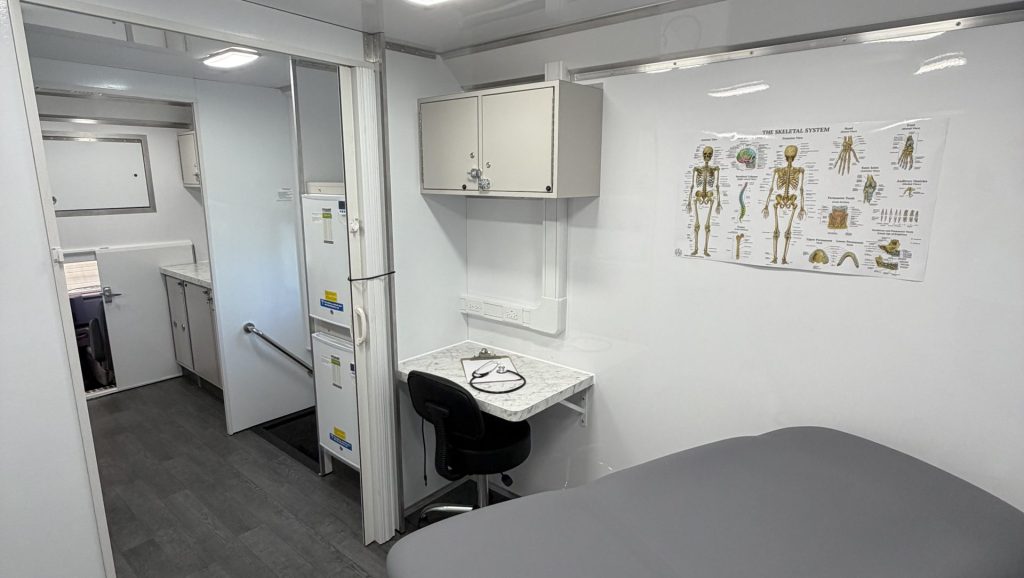
For example, Magnum’s 26-foot Professional Series medical clinic and 26-foot medical clinic have different base packages. Ask which package the proposal describes.
Match Equipment and Installation Line by Line
List each clinical item separately instead of comparing a broad label such as “dental equipment” or “surgical package.” Model, quantity, and included accessories can affect the scope.
Mark each item as included, optional, customer-supplied, excluded, or unconfirmed. Keep unconfirmed items visible; a missing line is not proof that the equipment is included or unnecessary.
Identify who handles mounting, electrical connections, plumbing, setup, and testing where required. Compare the installed scope rather than the equipment purchase price alone.
Ask about space and utility allowances for future equipment. If the program plans to add a device later, confirm what can reasonably be accommodated and what would require additional work.
Have the clinical team review the equipment schedule. A purchasing comparison should reflect the tools needed for the approved services, not only what appears in a standard model photo.
Review Utilities, Access, and Clinical Workflow
Compare the power package by its actual components and requirements: generator, shore-power connection, batteries, charging, outlets, and the equipment it must support.
Ask each builder to review the same list of equipment running at the same time. Confirm whether the proposed electrical system matches that operating plan.
Review fresh-water and holding-tank capacity, sinks, hot water, climate control, and equipment-specific utility connections. Confirm which systems are included and which are options.
Compare doors, steps, lift or ramp configurations, clearances, and interior circulation against your access requirements. A general accessibility label does not describe the full selected configuration.
Walk through a service day on each floor plan. Check intake, treatment, privacy, storage, cleaning, and patient or animal movement with the staff who will use the clinic.
Use likely host sites to test practical fit. Parking, utility connections, route access, setup space, and storage arrangements can create costs outside the builder’s quoted vehicle.
Compare Delivery, Warranties, and Support
Confirm the delivery destination, handover scope, orientation, and any training included. Ask what your organization needs to arrange before accepting the vehicle.
Separate the chassis, coach, and equipment warranties. Request the relevant coverage documents, exclusions, maintenance requirements, and service process.
Ask who responds to a problem involving installed clinical equipment and how the issue is routed. Identify whether the builder, chassis provider, or equipment supplier handles each type of service.
Compare support arrangements that matter to your operating locations and staffing. Written details are more useful than assuming every manufacturer offers the same assistance.
Confirm the proposed production and delivery schedule, what it depends on, and which remaining decisions could change it. Have your purchasing team review the relevant proposal terms.
Resolve Scope Differences Before Comparing Totals
Build one comparison sheet
Use a row for each requirement and a column for each proposal. Record the quoted specification, included cost, responsible party, and unanswered questions.
Separate the quoted vehicle total from customer-supplied equipment, installation not included, delivery not included, and other purchase costs that need confirmation. Avoid adding guessed amounts for unresolved scope.
Ask each builder to price the same missing or optional items where possible. When a requirement cannot be met in the proposed configuration, record that difference alongside the price.
Keep recurring operating costs in a separate comparison: staffing, fuel, utilities, storage, vehicle upkeep, and equipment service. Those costs can differ between platforms even when the clinical scope is similar.
Review the completed sheet with clinical, operations, finance, and purchasing staff. Document why the selected proposal best fits the program’s requirements and budget.
Mobile Clinic Quote Comparison FAQs
What should we compare besides the quoted price?
Compare the vehicle platform, floor plan, equipment quantities, installation, utilities, access features, delivery, training, warranty coverage, service arrangements, and unresolved decisions.
Why can similar-size clinics have different prices?
Nominal length does not define the whole build. Chassis, layout, finishes, equipment, power systems, plumbing, access options, and delivery scope can differ. Compare the written specifications.
How should we handle missing items in a quote?
Mark them as unconfirmed and ask the builder to clarify supply, installation, and cost. Do not assume a missing item is included or enter a zero that makes the proposal appear complete.
Is the lowest quote always the best value?
The decision depends on whether the proposed clinic meets the program’s requirements and on the complete purchase and operating plan. Resolve scope differences and review support obligations before judging value.
Request a Quote Your Team Can Compare
Prepare a common program summary, equipment schedule, access requirements, utility needs, and delivery destination. Use the same documents when requesting or updating each proposal.
Ask for a quote review that addresses open questions line by line. Record confirmed answers and request a revised written proposal when the scope changes.
Compare Magnum’s mobile specialty vehicle models and review the build process to prepare your vehicle and configuration questions.
Request a configured quote from Magnum using your program requirements. A clear purchase scope makes the comparison more useful to your team and decision-makers.
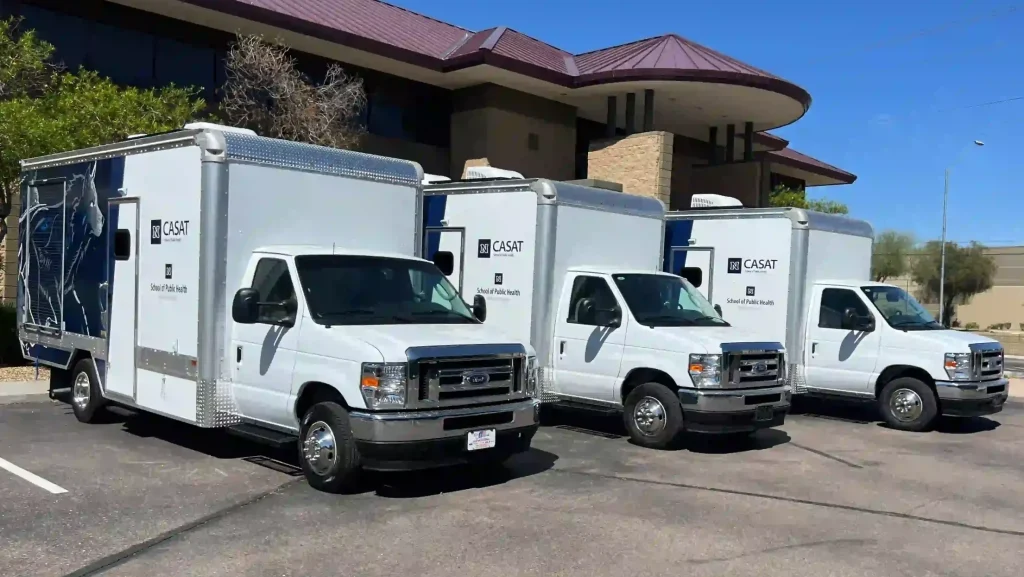
Prepare a Consistent Quote Request
Share the same services, equipment list, utility requirements, and delivery scope with every builder.
Review included items and unresolved decisions before comparing the final totals.
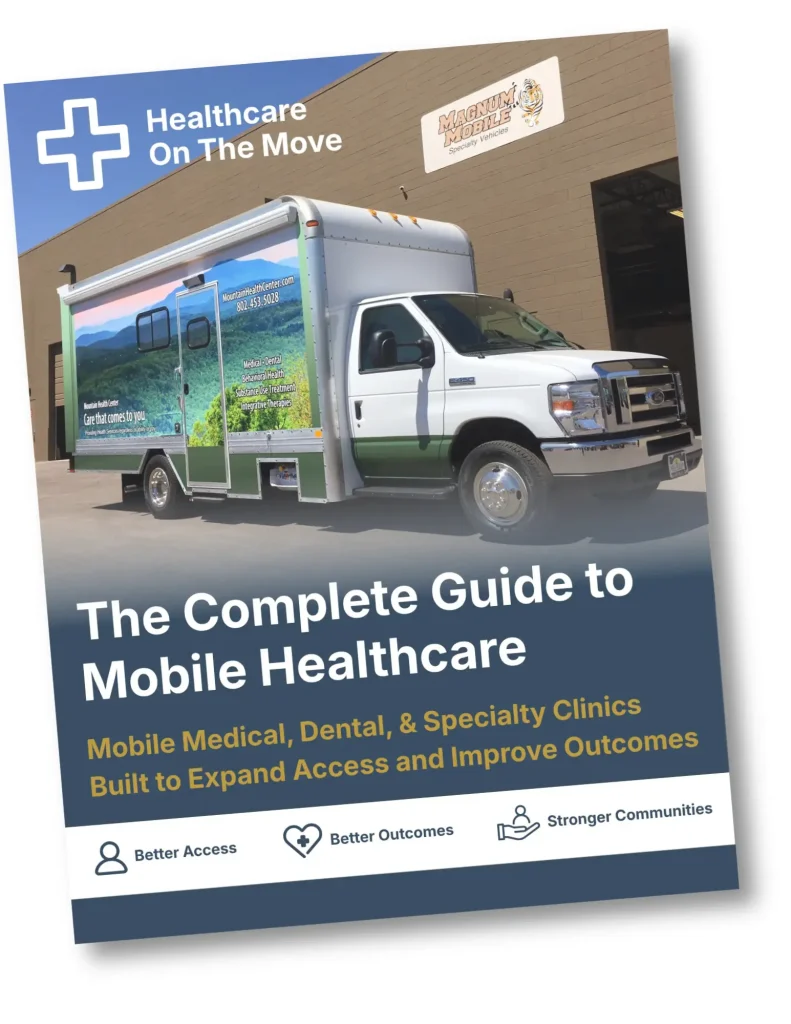
Gather Your Purchasing Requirements
Organize your program requirements and vehicle questions before requesting proposals.
Latest From Our Blog
Trusted Nationwide
Trusted by Leading Healthcare Organizations
Trusted by healthcare providers, public agencies, universities, and nonprofit organizations to deliver high-quality mobile specialty vehicles.







Built to Support
Organizations Across Every Sector
Delivering mobile solutions for healthcare, education, government, nonprofit, and commercial applications.
Healthcare
Education
Government
Non-Profit
Public Safety
Corporate
Ready to Get Started
Let’s Build a Solution That Moves Care Forward
Tell us about your operation and our team will help build the right mobile vehicle solution for your needs.