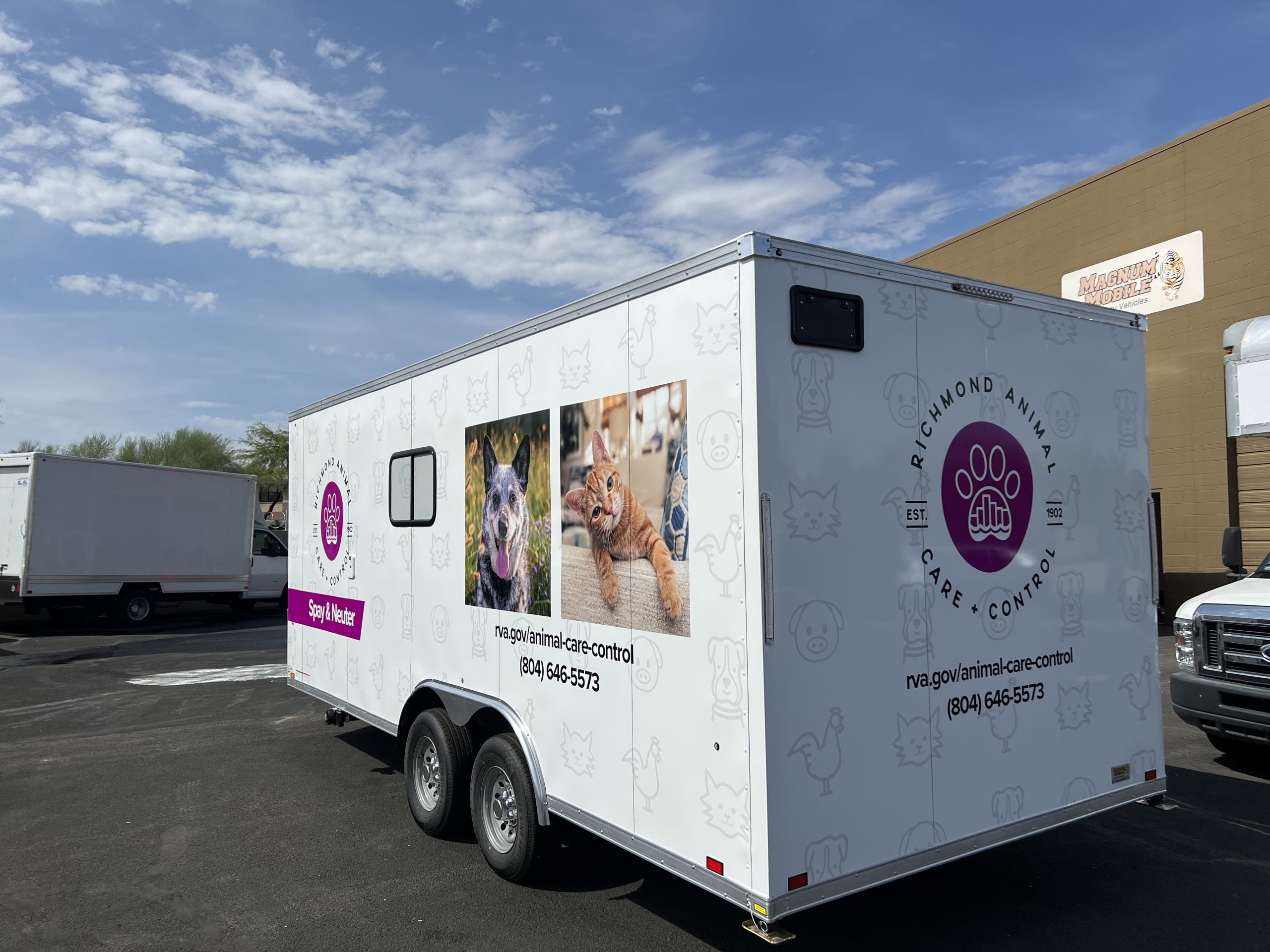
A donor-funded mobile spay and neuter clinic should be selected around the services the organization can staff and sustain, with a written vehicle and equipment scope that matches the funding commitment. Magnum’s configurable spay/neuter trailers and drivable clinics provide options to compare before promising a particular model, layout, or service volume to supporters.
A successful vehicle campaign needs a clear connection between the gift, the asset being purchased, and the program that will use it. “Fund a mobile clinic” can mean very different things if one proposal covers the vehicle shell while another includes selected equipment, delivery, orientation, and branding. Define the complete project before finalizing campaign promises.
Which Custom Mobile Spay and Neuter Clinics Suit Donor-Funded Programs?
Start with the operating model, then compare configured vehicles. A shelter with an available towing team may evaluate a trailer differently from an outreach organization that needs a drivable unit for a multi-site route. A larger workspace should be justified by the team, patient flow, and deployment plan.
On a small screen, swipe the table sideways to see every column.
| Vehicle option | What to review | Funding question |
|---|---|---|
| Magnum 25ft Spay and Neuter Trailer | Exam/preparation, surgery, recovery, and storage layout; tow and setup arrangements. | Does the project include the resources needed to tow, deploy, connect, and store it? |
| Magnum 26ft Spay and Neuter Clinic | Drivable layout, clinical equipment, recovery space, and utility systems. | Does the gift cover the specified equipment and handoff as well as the vehicle? |
| Magnum 37ft Spay and Neuter Clinic | Expanded workspace and the exact proposed surgery stations, cages, and support systems. | Does the operating organization have the staffing, sites, and ongoing resources for this configuration? |
These are starting points for a planning discussion. Ask Magnum for the current floor plan and itemized scope. Do not assume that every clinical device, second surgery table, access feature, or option shown in marketing materials is included in the proposed build.
Define What the Gift Will Fund Before Naming a Campaign Goal
Write a short project definition that your development, clinical, finance, and operations teams can all use. Include the vehicle configuration, intended services, service area, clinical staffing assumptions, equipment, ownership, and the person authorized to approve design decisions.
Distinguish the purchase project from the recurring program. The organization’s responsible finance and development staff should confirm how any donor restrictions, approvals, recognition commitments, and reporting requirements apply to the gift.
On a small screen, swipe the table sideways to see every column.
| Project area | Document in the plan | Resolve before making commitments |
|---|---|---|
| Vehicle and conversion | Selected platform, layout, onboard systems, and itemized options. | What exactly will the proposed purchase provide? |
| Clinical equipment | Included, optional, and organization-supplied devices and installation responsibilities. | Who supplies, installs, checks, and supports each selected device? |
| Delivery and launch | Delivery scope, orientation, storage, insurance arrangements, and launch preparations. | Which items are included in the supplier quote and which belong to the organization? |
| Program operation | Clinical team, consumables, scheduling, travel, utilities, service, and administration. | What supports recurring visits after the asset has been purchased? |
| Recognition and reporting | Approved graphics, naming or recognition scope, updates, and evidence to collect. | Who approves the wording, design, schedule, and reporting commitments? |
Get the Equipment Scope Right Before Approving the Layout
Have the veterinary lead identify the services and selected equipment. Send dimensions, connection requirements, installation needs, maintenance clearances, and travel-securing requirements to the builder before approving cabinetry and utilities.
Magnum’s published spay/neuter product pages separate standard features from options. For example, the 26ft model lists an enclosed surgery space and onboard utility systems, while anesthesia-related items, certain lights, and a second table appear among options. Confirm the exact configuration in the written proposal.
Review the complete animal path from intake through preparation, treatment, recovery, and discharge. Cage or table counts are physical configuration details; they should not be presented to donors as a guaranteed number of procedures per day. Use our spay/neuter equipment and space planning guide to prepare questions for the design discussion.
Build a Donor Story Around Verifiable Milestones
Explain the access problem the organization intends to address and how the planned vehicle supports the service model. Separate confirmed project facts from estimates and goals. A credible campaign can describe progress without promising results the program has not measured.
- Planning milestone: the service brief and selected configuration are approved.
- Build milestone: the organization has confirmed the supplier’s current project status and approved any public update.
- Delivery milestone: the unit is received and the agreed handoff is complete.
- Readiness milestone: the team has completed its own clinical, operating, site, and launch preparations.
- Program milestone: report actual visits, services delivered, locations reached, and other approved measures after operations begin.
For a broader fundraising narrative, use our guide to presenting a mobile veterinary project to donors. This article’s purpose is to help you choose and define the funded vehicle.
A Practical Example: One Gift, Several Scope Decisions
Illustrative scenario, not a customer case study: a donor offers to support a shelter’s mobile spay/neuter vehicle. The shelter already has a clinical partner and is comparing a trailer with a drivable unit.
Before selecting the vehicle, the team checks towing resources, route sites, equipment already owned, storage, and recurring staff support. It requests two configured proposals from Magnum and identifies which items belong to the vehicle purchase and which remain the shelter’s responsibility. The campaign can then describe a defined project rather than an undefined “fully equipped clinic.”
Why Work With Magnum on a Donor-Funded Vehicle?
Magnum gives your clinical and development teams tangible layouts and equipment decisions to discuss together. Its configurable mobile spay and neuter clinics can be evaluated against the approved mission, rather than selecting a vehicle only because it fits a headline fundraising amount.
Ask for a walk-through of the proposed layout, onboard systems, equipment responsibilities, delivery scope, and support contacts. Use the Magnum build process to organize approval milestones and ask for current project-specific timing before announcing a launch.
Donor-Funded Mobile Clinic FAQs
Should we buy the largest clinic the gift can cover?
Choose the configuration the organization can use and support. Compare the program’s services, staff, sites, equipment, storage, and operating needs before deciding how much vehicle space is appropriate.
Can a donor fund the vehicle while another partner runs it?
That structure can be explored when ownership, clinical operation, scheduling, maintenance, costs, approvals, and reporting are clearly assigned. Have the responsible organizational advisers review the arrangement before commitments are finalized.
Does purchasing a clinic guarantee grant eligibility or program funding?
No. Funding decisions depend on the specific funder and the organization’s application and circumstances. Confirm current requirements directly with the funding source; a vehicle quote is one part of the project information.
How should donor branding be planned?
Agree on the recognition scope and approval process, then review graphics with the relevant supplier. Confirm the exact graphics work included in the vehicle proposal before presenting it as part of the funded purchase.
What should we bring to a Magnum consultation?
Bring the intended services, equipment list, clinical partner, host sites, staffing outline, funding stage, donor conditions to be addressed by your organization, and target launch window. Flag decisions that still need a configured proposal.
Define Your Donor-Funded Spay and Neuter Vehicle With Magnum
Give supporters a project your team can explain and execute. Contact Magnum to review your donor-funded vehicle plan, compare the spay/neuter clinic range, and request the free Mobile Animal Care Buyer Guide.
Vehicle details reviewed November 10, 2026 against the linked Magnum product pages. Confirm the selected configuration, equipment, exclusions, and project timing in your proposal.